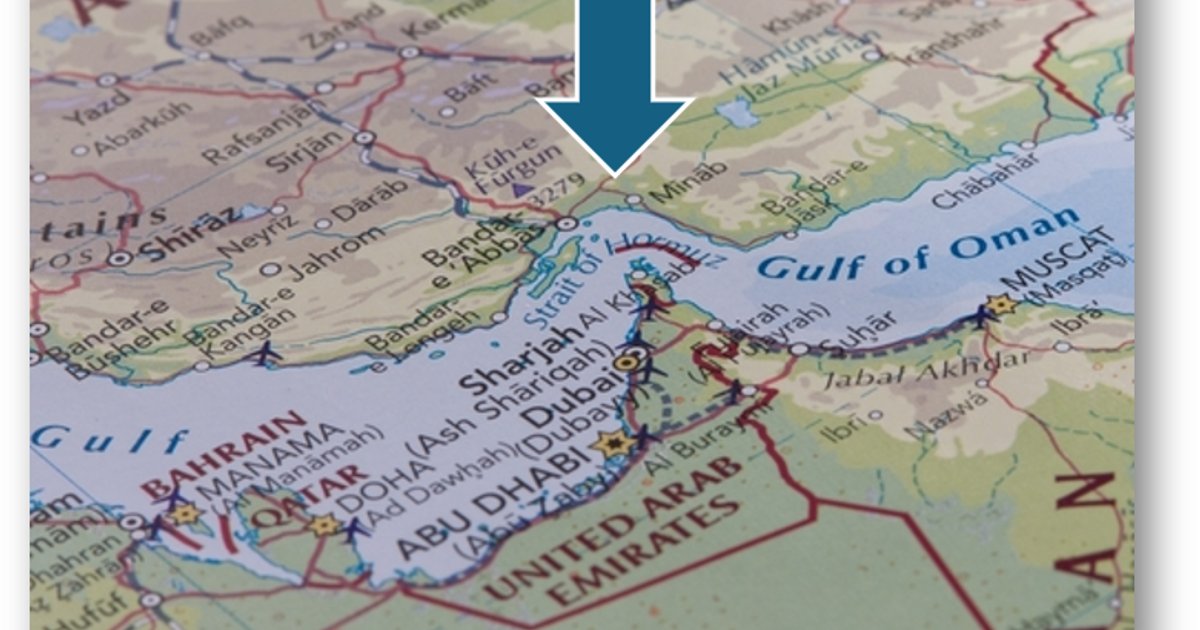
The United Nations has announced the postponement of a vote that was scheduled on a resolution regarding the Strait of Hormuz, which is considered one of the most important waterways in the world. This delay comes at a sensitive time marked by increasing tensions in the region, where the strait is a vital point for the transport of oil and natural gas.
This decision comes amid escalating political and military crises in the Gulf region, increasing the significance of the Strait of Hormuz as a strategic area. The proposed resolution was expected to address issues related to maritime security and international cooperation to ensure freedom of navigation in the strait.
Details of the Event
The vote on the resolution was supposed to take place during the upcoming session of the Security Council, but diplomatic sources reported that the vote has been postponed for reasons that have not been fully clarified. This postponement reflects the challenges faced by the international community in addressing security issues in the region, especially amid tensions between Iran and Western countries.
The Strait of Hormuz is a vital transit point for approximately 20% of the world's total oil supply, making any tension in this area have significant impacts on global markets. In recent years, there has been an increase in maritime incidents, including attacks on oil tankers, raising concerns about the security of navigation in the strait.
Background & Context
Historically, the Strait of Hormuz has witnessed numerous crises and conflicts, serving as a theater for several wars and regional disputes. In the 1980s, the region experienced a naval war between Iran and Iraq, while in recent years, tensions have escalated due to Iranian military activities in the area.
In recent years, some major countries, including the United States, have sought to bolster their military presence in the region to ensure the safety of navigation. However, these moves are often met with strong opposition from Iran, complicating the situation further.
Impact & Consequences
The postponement of the vote on the resolution serves as a signal of the difficulties faced by the United Nations in achieving consensus among member states on security issues. Additionally, this delay may affect the international community's efforts to ensure the security of navigation in the strait, potentially exacerbating conditions in the region.
If tensions continue to escalate, this could lead to an increase in global oil prices, impacting the global economy as a whole. Furthermore, any military escalation in the region could have serious repercussions for both regional and international security.
Regional Significance
The Gulf Arab region is among the most affected by tensions in the Strait of Hormuz, as many Arab countries rely on oil and gas exports through this passage. Any escalation in security conditions could directly impact the economies of these countries, necessitating the need for diplomatic solutions to avoid any escalation.
In light of these circumstances, Arab countries must work to enhance cooperation among themselves to ensure the security of navigation in the region and avoid slipping into new conflicts that could affect the stability of the entire region.
In conclusion, the postponement of the vote on the resolution regarding the Strait of Hormuz is a sign of the challenges facing the international community in addressing security issues in the Gulf region. The current situation requires intensive diplomatic efforts to ensure regional stability and protect the economic interests of Arab countries.