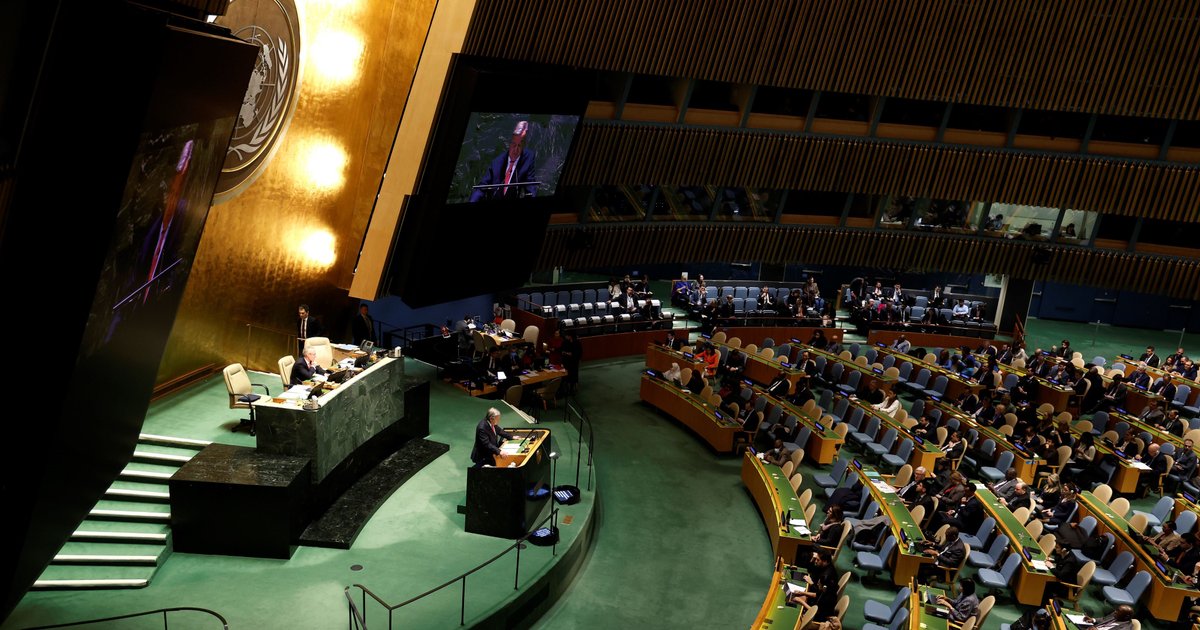
In a move reflecting the commitment to enhance the effectiveness of the United Nations, the General Assembly of the organization adopted a resolution on Tuesday aimed at improving the mechanisms for establishing, implementing, and reviewing its assigned tasks. This decision came during a session where 168 countries voted in favor of the resolution, while 4 countries opposed it: Belarus, North Korea, Nicaragua, and Russia.
The new resolution includes a set of principles aimed at guiding the process of establishing, implementing, and reviewing all tasks under the UN, reflecting the member states' commitment to improving transparency and discipline in these processes.
Details of the Resolution
During his remarks about the resolution, UN Secretary-General Antonio Guterres emphasized that this decision represents a significant step towards achieving a common understanding of the lifecycle of tasks, highlighting the importance of enhancing each stage of this lifecycle. He explained that this resolution will lead to clearer and more focused tasks, thereby fostering a culture of continuous improvement based on evidence, accountability, and results.
Guterres also noted that this step is merely the beginning, as further efforts are required to achieve the desired goals. The vote on the resolution comes at a time when there is increasing pressure on the UN to be more efficient and effective in addressing global challenges.
Background & Context
The United Nations was established in 1945 with the aim of promoting international peace and security. Since then, the organization has faced numerous challenges in achieving its goals. In recent years, calls for UN reform have intensified, especially in light of increasing global crises such as armed conflicts, climate change, and humanitarian emergencies.
This step is part of ongoing efforts to improve the performance of the UN, as there has been growing criticism regarding the effectiveness of some missions and processes. Research has shown that many missions have not achieved their intended objectives, prompting member states to consider ways to enhance these operations.
Impact & Consequences
This resolution is expected to have a significant impact on how the UN operates in the future. By improving operational mechanisms, the organization can become more capable of responding to global challenges more swiftly and effectively. Additionally, enhancing transparency and discipline in task creation will contribute to building trust among member states.
Moreover, this resolution could pave the way for increased cooperation among member states, as improving the effectiveness of the UN could enhance international collaboration in areas such as security and sustainable development.
Regional Significance
For the Arab region, enhancing the effectiveness of the UN could have a positive impact on several pressing issues, such as conflicts in Syria, Libya, and Yemen. If the UN can improve its operational mechanisms, it may be able to offer more effective solutions to these crises.
Furthermore, improving the effectiveness of the UN could contribute to bolstering sustainable development efforts in Arab countries, aiding in the achievement of developmental goals set by these nations under the 2030 Vision.
In conclusion, the adoption of this resolution represents an important step towards enhancing the effectiveness of the UN and reflects the commitment of member states to improve the organization's performance. However, the greatest challenge remains the actual implementation of these principles to achieve the desired outcomes.