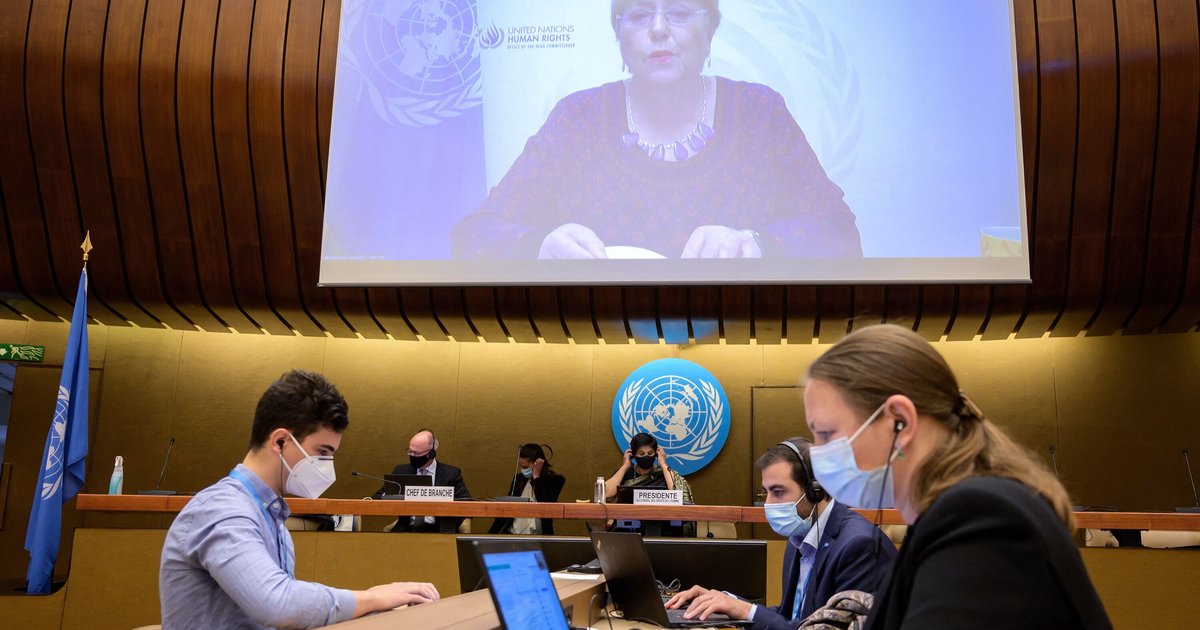
In a new step reflecting the international stance on the Palestinian issue, the UN Human Rights Council has adopted a resolution condemning Israeli settlements in the occupied Palestinian territories, including East Jerusalem and the Golan Heights. The resolution, supported by the Organization of Islamic Cooperation, underscores the ongoing challenges facing efforts to achieve peace in the region.
The resolution affirmed that Israeli settlements are considered illegal under international law and constitute a major obstacle to achieving a two-state solution. It also called for an immediate halt to all settlement activities in the occupied territories, urging Israel to comply with international law, particularly the Fourth Geneva Convention.
Details of the Resolution
The resolution included clear calls for the protection of Palestinian civilians and the prevention of any demographic changes in the occupied territories. It condemned land confiscation, home demolitions, forced displacement, and violence associated with settlers. This decision comes at a sensitive time, as tensions in the region have escalated due to ongoing Israeli settlement activities.
The Council urged member states to take steps to ensure that they do not support settlement activities, whether through economic relations or investments. This call reflects the growing international concern regarding the impact of settlements on security and stability in the region.
Background & Context
The roots of the Israeli-Palestinian conflict date back decades, with the Palestinian territories under Israeli occupation since 1967. Since then, Israel has continued to expand its settlements, exacerbating the humanitarian and economic conditions for Palestinians. Numerous international initiatives, including US-sponsored peace efforts, have sought to reach a settlement, but settlements remain a major obstacle.
The Organization of Islamic Cooperation, which has played a pivotal role in supporting Palestinian rights, emphasized the importance of this resolution as a step towards enhancing human rights in the occupied territories. The resolution also reflects the international community's commitment to its responsibilities regarding the Palestinian issue and strengthens the Palestinian position in international forums.
Impact & Consequences
This resolution may have wide-ranging effects on international relations, reflecting increasing pressure on Israel to halt its settlement activities. It may encourage countries to reassess their relationships with Israel, especially amid growing global awareness of human rights. This could lead to increased international support for Palestinian rights and bolster the Palestinian position on the international stage.
On the other hand, Israel may face greater pressure from the international community, which could impact its domestic and foreign policies. Additionally, this resolution could open the door for further diplomatic moves by Arab and Islamic countries to support the Palestinian cause.
Regional Significance
This resolution serves as a strong message to Arab countries, reflecting the international community's commitment to the Palestinian cause. Arab nations, which face internal and external challenges, could benefit from this international support to strengthen their position on regional issues. Furthermore, the resolution may encourage more cooperation between Arab countries and the Organization of Islamic Cooperation in supporting Palestinian rights.
In conclusion, this resolution represents an important step towards enhancing Palestinian rights and reflects the international community's commitment to its responsibilities regarding the Palestinian issue. There is hope that this resolution will lead to tangible progress towards peace and stability in the region.