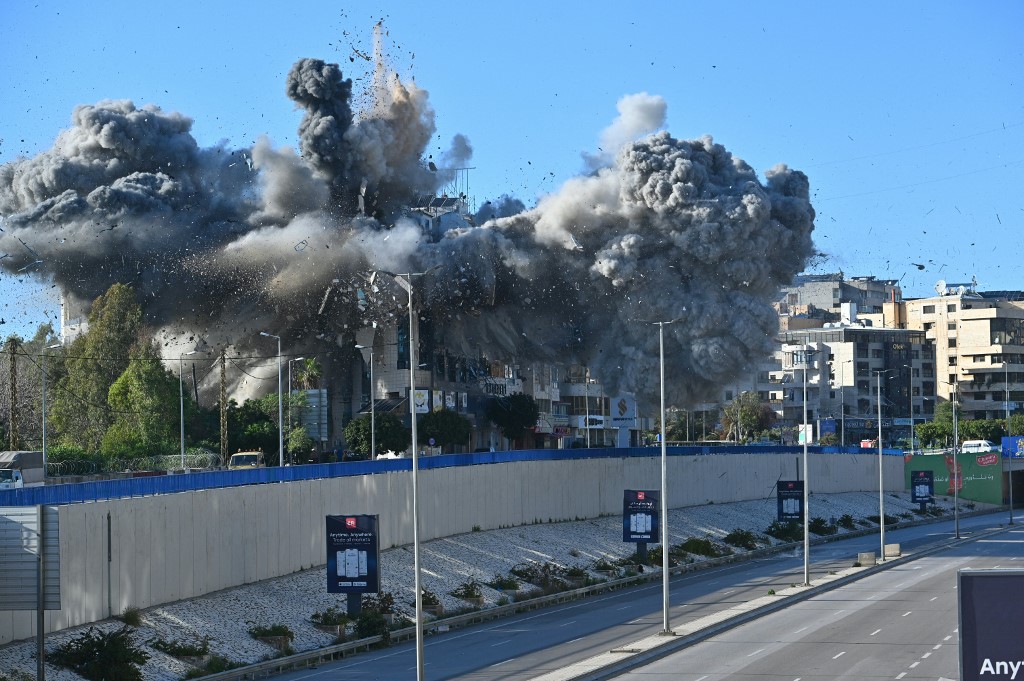
In a tragic incident reflecting the dangers faced by journalists in conflict zones, three journalists were killed in Israeli airstrikes on southern Lebanon on March 28. Among the deceased were Ali Shaib, a correspondent for Hezbollah's Al-Manar channel, Fatima Fatouni, a reporter for Al-Mayadeen, and her brother Mohammed, who worked as a photographer.
The United Nations, through its Human Rights Office, confirmed that this incident requires a "swift, thorough, and independent" investigation by an international body. This request comes at a sensitive time as concerns grow regarding the safety of journalists in conflict areas, especially amid ongoing conflicts in the Middle East.
Details of the Incident
The Israeli airstrikes that led to the journalists' deaths occurred during a period of intense clashes in the region. The Israeli forces claimed that Shaib was targeted as he was an "intelligence operative" for Hezbollah, without providing any evidence to support this claim. In contrast, UN experts affirmed that working in media associated with an armed group does not constitute direct participation in hostilities.
This incident is not the first of its kind, as many journalists have been killed in conflict zones over the past years, raising questions about how to protect journalists and ensure press freedom under harsh conditions.
Background & Context
Historically, the Middle East has witnessed ongoing conflicts, with journalism always at the heart of events. Since the onset of the Lebanese conflict in the 1970s, through the civil war, to modern-day conflicts, journalists have consistently been at risk. In recent years, tensions between Israel and Hezbollah have increased, making journalists more vulnerable.
Calls from human rights organizations to protect journalists are growing, as they consider freedom of expression a fundamental right that must be safeguarded. However, the reality on the ground often differs, as journalists face threats, harassment, and even murder.
Impact & Consequences
The killing of the three journalists highlights the dangers faced by journalists in conflict zones and raises critical issues regarding press freedom and journalist safety. This incident may increase pressure on the international community to take action to protect journalists and ensure their safety.
This incident is expected to affect relations between Israel and Arab countries, as it will revive discussions about human rights and freedom of expression in the region. It may also escalate tensions between Israel and Hezbollah, complicating the security situation in Lebanon.
Regional Significance
This incident serves as a painful reminder that journalists in the Arab world face significant challenges in performing their duties. Amid the multiple crises affecting Arab countries, journalists remain on the front lines, often putting themselves at risk.
Protecting journalists and ensuring freedom of expression must be a priority for the international community, especially in conflict zones. We must all work to promote journalists' rights and provide a safe environment for them to carry out their work freely.