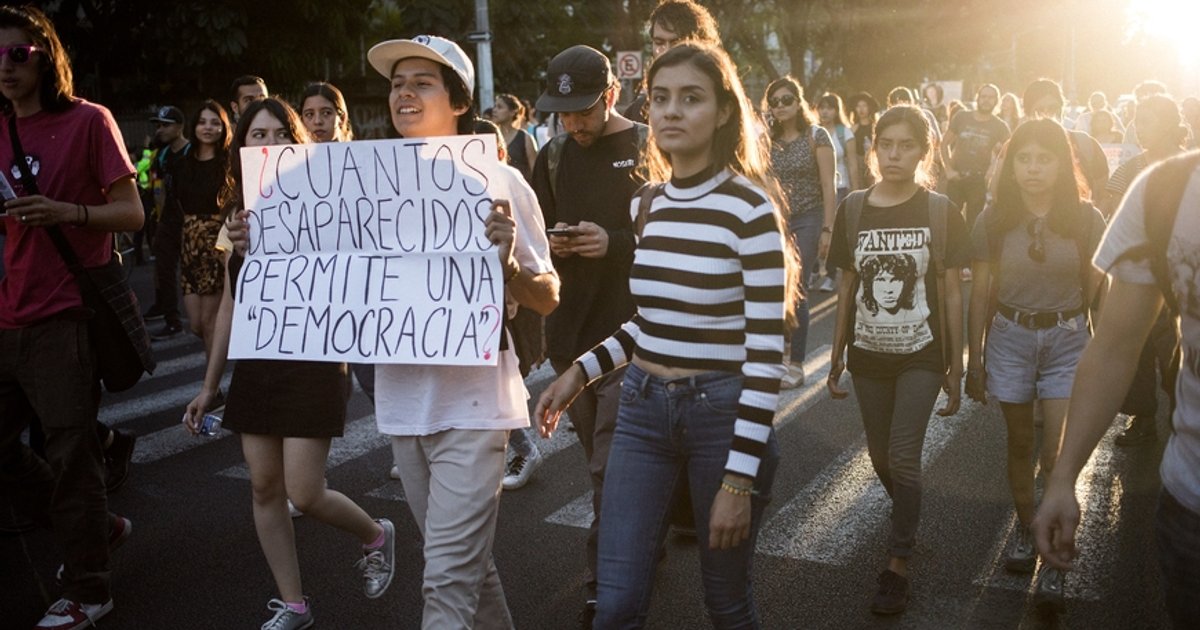
In a serious development, the UN Committee on Enforced Disappearances has confirmed that the phenomenon of enforced disappearances in Mexico, perpetrated by state agents and criminal gangs, represents a crime against humanity. This statement comes at a time when the country is suffering from an escalating human rights crisis, with thousands of citizens missing without a trace.
In reaction to this report, the Mexican government, led by Claudia Sheinbaum, criticized what it considered bias in the report's content, pointing out that the government is working diligently to address this issue. Sheinbaum emphasized that the government is adopting new policies to combat organized crime and improve human rights conditions in the country.
Details of the Event
Reports indicate that Mexico has witnessed a significant rise in cases of enforced disappearances, with estimates suggesting that over 100,000 people have disappeared since 2006. This situation is attributed to the ongoing conflict between drug cartels and rampant corruption within government institutions, making it difficult for victims and their families to achieve justice.
This phenomenon is part of a broader crisis concerning human rights in Mexico, where women and children are particularly at high risk. The UN report noted that the government has not taken sufficient steps to hold accountable those responsible for these violations, exacerbating the frustration within civil society.
Background & Context
Historically, Mexico has struggled with deep-seated issues related to violence and corruption. Since the onset of the war on drugs in 2006, the level of violence has escalated dramatically, leading to the proliferation of enforced disappearances. Human rights organizations have documented numerous cases involving the disappearance of activists and journalists, raising concerns about freedom of expression and human rights.
Mexico is considered one of the most dangerous countries for journalists in the world, with many being killed annually due to their work in exposing corruption and crime. In this context, the UN report indicates that the government needs to take urgent action to protect citizens' rights and ensure justice.
Impact & Consequences
This issue has a significant impact on Mexican society, contributing to a climate of fear and distrust in the government. Furthermore, the failure to address these violations could worsen security conditions, increasing the suffering of citizens.
On an international level, these violations may affect Mexico's image in the global community, potentially leading to pressure from other countries and human rights organizations to improve human rights conditions in the country. Mexico may face sanctions or other measures if the government continues to ignore these issues.
Regional Significance
The issue of enforced disappearances in Mexico highlights the importance of promoting human rights worldwide, including in Arab countries. With increasing violations in some Arab nations, there should be strong calls from the international community to ensure the protection of individual rights.
This case also underscores the need for international cooperation to combat organized crime and corruption, which could have a positive impact on security and stability in the Arab region.
In conclusion, the issue of enforced disappearances in Mexico remains a stark example of the challenges facing human rights globally. It requires collective efforts from governments and civil society to ensure the protection of individuals and guarantee justice.