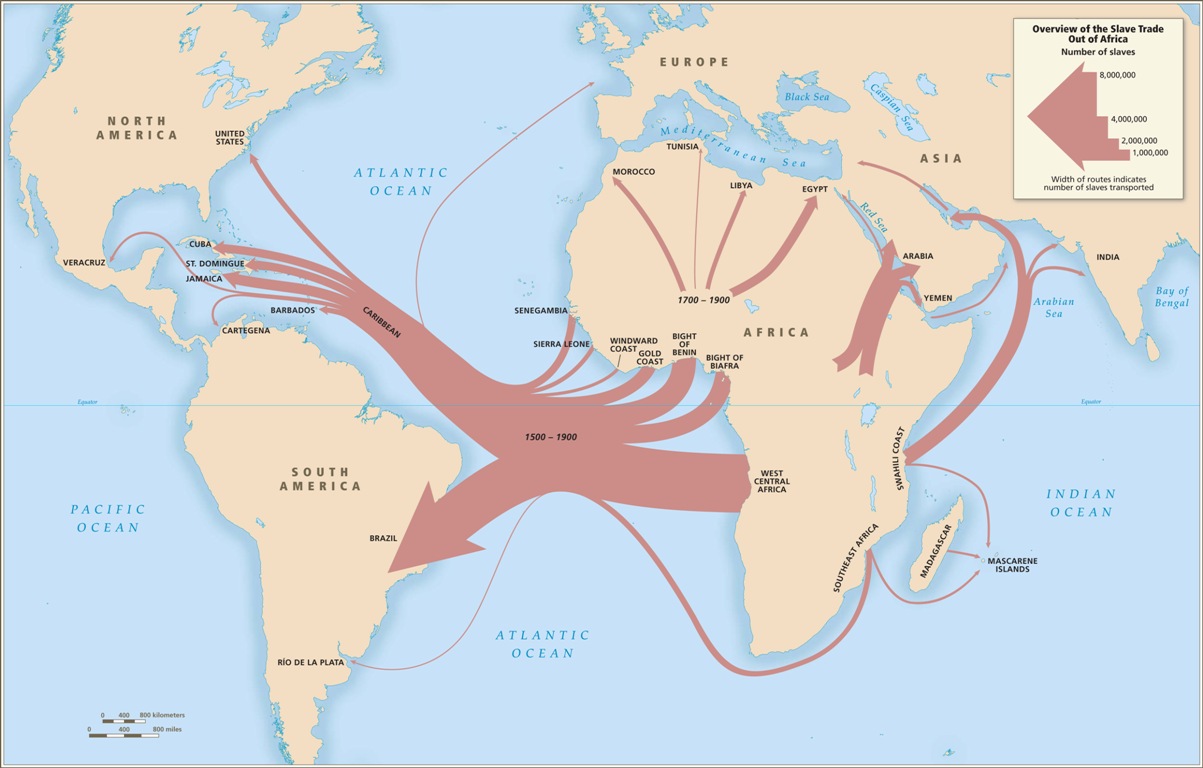
In a historic move, the United Nations General Assembly adopted a resolution on March 25, 2023, describing the transatlantic slave trade as 'one of the gravest crimes against humanity.' This resolution comes at a time when discussions about the atrocities of slavery and its ongoing impact on African communities are intensifying.
The resolution, which was adopted unanimously, aims to raise awareness about the horrors of slavery and emphasizes the need to acknowledge the negative effects this trade has left on African societies. However, this decision has sparked concerns among some observers about the potential for discrimination in historical memory, which could lead to the marginalization of other slavery systems that have occurred on the African continent.
Details of the Event
The transatlantic slave trade, which lasted for over three centuries, resulted in the forced transportation of millions of Africans to the Americas, where they were subjected to the most horrific forms of exploitation. Many historians have regarded this trade as one of the worst human rights violations in history.
The new UN resolution highlights the importance of recognizing these atrocities and strengthens efforts aimed at achieving justice and reparations for the victims and their families. It also points to the necessity of enhancing education about the history of slavery and its continuing impact on African communities.
Background & Context
The history of slavery in Africa spans centuries, with the continent witnessing various systems of enslavement, including local slavery and the trans-Saharan slave trade. However, the transatlantic slave trade has had profound effects on the social and economic fabric of the continent.
In recent years, many African countries have begun to reassess their history and emphasize the importance of acknowledging the tragedies of slavery. These discussions have garnered increasing interest from academics and activists, who seek to highlight the experiences of victims and the importance of preserving historical memory.
Impact & Consequences
The new resolution may contribute to enhancing efforts aimed at achieving justice for victims, but it also raises questions about how to address the memories of other forms of slavery. There are concerns that the focus on the transatlantic slave trade may lead to the marginalization of other enslavement experiences in Africa.
The implications of this resolution could extend to multiple areas, including education, politics, and culture. It is expected to lead to increased awareness about the history of slavery and its effects on African communities, which may contribute to fostering dialogue about justice and reconciliation.
Regional Significance
The history of slavery is not foreign to the Arab world, where the region has also witnessed systems of enslavement. Therefore, discussions about the atrocities of slavery in Africa may open the door to a broader dialogue about the history of slavery in the Arab world and its impact on Arab societies.
These discussions could help raise awareness about the importance of acknowledging historical tragedies and working towards achieving justice and reconciliation in Arab communities.