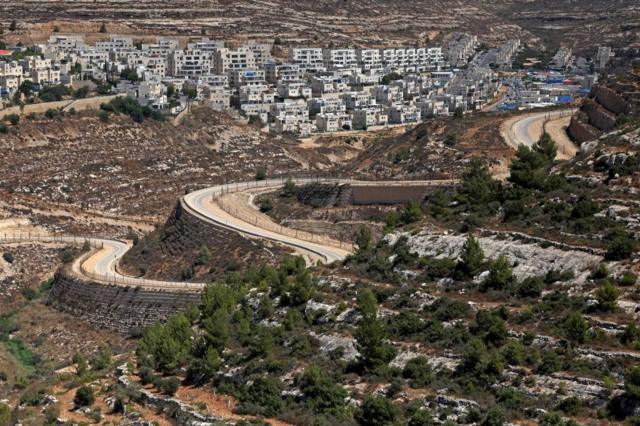
A recent UN report has revealed that Israeli settlement activities continue at a high pace, with Israel proceeding to build thousands of new housing units in the West Bank and East Jerusalem, despite repeated international calls to stop these activities. This revelation came during the monthly session of the UN Security Council, held on Tuesday evening under the agenda item "the situation in the Middle East, including the Palestinian question."
Ramez Akbarov, the Deputy Special Coordinator for the United Nations, presented a detailed overview of the current situation, noting that settlement activities pose a serious threat to efforts aimed at achieving peace in the region. Akbarov emphasized that these activities contradict international laws and exacerbate the humanitarian situation in the occupied Palestinian territories.
Details of the Event
During the session, alarming figures were highlighted, indicating a significant increase in the number of Israeli settlements, with over 5,000 new housing units recorded in the past year alone. This situation has raised concerns among many Security Council member states, which called for urgent measures to halt this settlement expansion.
The impact of these activities on the lives of Palestinians was also addressed, with Akbarov pointing out that many Palestinian families face displacement due to these settlement projects. He confirmed that these policies contribute to worsening humanitarian conditions and intensify tensions in the region.
Background & Context
The roots of the Palestinian issue date back to the early 20th century, witnessing ongoing conflicts between Palestinians and Israelis. Since the occupation of the West Bank and East Jerusalem in 1967, Israeli settlement activities have escalated, exacerbating the conflict. Numerous international initiatives have attempted to achieve peace, yet these efforts often encounter significant obstacles.
In recent years, settlement activities have notably increased, provoking strong reactions from the international community. The United Nations has issued several resolutions calling for a halt to settlement expansion; however, Israel has continued to implement its plans.
Impact & Consequences
Reports indicate that the continuation of settlement activities could worsen security conditions in the region, potentially leading to increased protests and confrontations between Palestinians and Israeli forces. Furthermore, these policies may negatively affect peace prospects, increasing instability in the Middle East.
Moreover, the ongoing settlement expansion could impact relations between Arab states and Israel, potentially leading to a deterioration of diplomatic ties and heightened tensions in the region.
Regional Significance
The Palestinian issue is considered a central concern in the Arab world, evoking feelings of solidarity and support among Arab peoples. The continuation of Israeli settlement activities threatens stability in the region and exacerbates divisions among Arab states.
These policies may also affect Arab reconciliation efforts, potentially causing divergences in positions among different Arab countries regarding how to deal with Israel. Under these circumstances, the hope for achieving a just and comprehensive peace in the region remains elusive.
In conclusion, the Palestinian issue remains a focal point of international concern, with ongoing calls to halt settlement activities seen as a crucial step toward achieving peace and stability in the region.