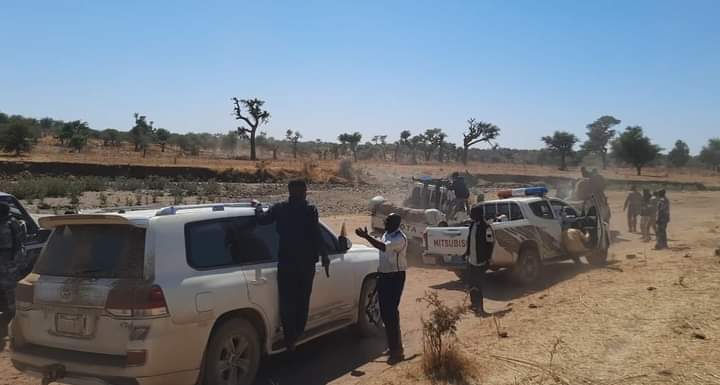
The United Nations has expressed deep shock over the assassination of the West Darfur governor, who is considered a prominent figure in peace and security efforts in the region. The incident, which occurred in recent days, reflects the deteriorating security situation in Darfur, where armed conflicts between various groups are intensifying.
This incident comes at a sensitive time, as the Sudanese government has been striving to achieve stability in the region after years of conflict. The governor's assassination is seen as a new blow to the peace efforts being made by the United Nations and the international community.
Details of the Incident
According to reports, the West Darfur governor was the target of a planned assassination, carried out by an armed group known as the "outlaws." This group is considered one of the major security threats in the area and has committed numerous crimes in the past, exacerbating the security situation.
The incident has sparked widespread reactions, with many humanitarian and human rights organizations condemning the act and calling for a comprehensive and transparent investigation. The United Nations has also urged the need for urgent measures to protect civilians and ensure security in the region.
Background & Context
Historically, Darfur has witnessed armed conflicts since 2003, with disputes erupting between the Sudanese government and rebel groups. These conflicts have resulted in the deaths of thousands and the displacement of millions of people. Despite the peace efforts that have been made, the security situation remains fragile, raising concerns among local populations and the international community.
In recent years, the Sudanese government has attempted to enhance security in the region by deploying military forces; however, these efforts have not yielded the desired results, as armed groups continue to operate and commit acts of violence.
Impact & Consequences
The assassination of the West Darfur governor could exacerbate the security situation in the region, potentially leading to further violence and protests. Additionally, this incident may negatively impact the peace efforts being undertaken by the United Nations, complicating humanitarian conditions.
Moreover, this incident could lead to a deterioration in relations between the Sudanese government and the international community, as the failure of the government to protect prominent figures is seen as evidence of its weakness in controlling the security situation.
Regional Significance
The situation in Darfur serves as an indicator of the security challenges faced by many Arab countries. The violence and armed conflicts in Sudan could affect stability in neighboring countries, raising fears of chaos spreading.
Furthermore, the events in Darfur highlight the urgent need for regional and international cooperation to address humanitarian and security crises in the area, as security in Sudan is part of regional security.
In conclusion, the assassination of the West Darfur governor is a tragic incident that underscores the significant challenges facing the region. The current situation requires an urgent response from the international community to ensure the protection of civilians and achieve lasting peace in Darfur.