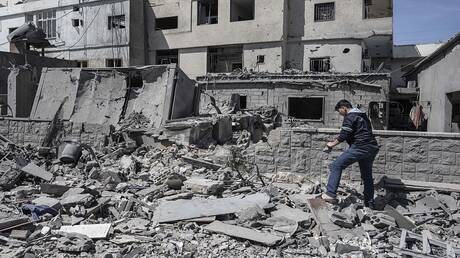
The United Nations has warned of worsening health conditions in Lebanon, where the healthcare infrastructure has faced 87 attacks since the recent military escalation. These assaults, targeting health facilities, pose a direct threat to the health system's ability to provide essential services to citizens.
Under the current circumstances, Lebanon is experiencing a severe health crisis, with increasing pressure on hospitals and health centers that are struggling to meet patient needs. Reports have confirmed that these attacks have led to the destruction of many health facilities, exacerbating the suffering of citizens amid shortages of medications and medical supplies.
Details of the Attacks
Reports indicate that the Israeli attacks on health facilities in Lebanon began at the onset of the military escalation, with hospitals and health centers being targeted repeatedly. The United Nations has documented these attacks, warning that their continuation will lead to a further deterioration of health conditions in the country.
Additionally, reports have stated that these attacks have resulted in injuries to many healthcare workers, increasing the strain on a health system that is already suffering from a shortage of medical personnel. The United Nations has expressed concern over the impact of these attacks on Lebanon's ability to cope with escalating health crises.
Background & Context
Historically, Lebanon has faced numerous health crises due to armed conflicts, with health facilities always being vulnerable to attacks. As tensions in the region escalate, fears are growing regarding the impact of the conflict on health services, especially amid the difficult economic conditions Lebanon is experiencing.
The health system in Lebanon is considered one of the more advanced healthcare systems in the region, but it is currently under significant pressure due to successive crises. The deterioration of economic conditions has led to a severe shortage of medications and medical supplies, complicating the health situation in the country.
Impact & Consequences
The United Nations asserts that the continuation of attacks on health facilities in Lebanon will exacerbate health crises, potentially threatening the lives of many citizens. The destruction of health facilities will negatively impact Lebanon's ability to combat epidemics and diseases, increasing the risk of infectious disease outbreaks.
Moreover, these conditions may lead to increased emigration from Lebanon, as many citizens seek better opportunities in other countries. This could result in a loss of medical and nursing personnel, further worsening the health crisis in the country.
Regional Significance
The health situation in Lebanon serves as an indicator of potential health crises that other countries in the region may face. With the escalation of armed conflicts, it becomes imperative for Arab nations to take urgent steps to protect health facilities and ensure the continued provision of essential health services.
The deterioration of health conditions in Lebanon could have negative repercussions on neighboring countries, potentially leading to an increased flow of refugees and displaced persons, thereby increasing pressure on host countries. Therefore, the international community must work to support the health system in Lebanon and provide the necessary assistance.
In conclusion, the health situation in Lebanon requires urgent attention from the international community, as the ongoing attacks on health facilities pose a real threat to citizens' lives and their access to necessary healthcare.