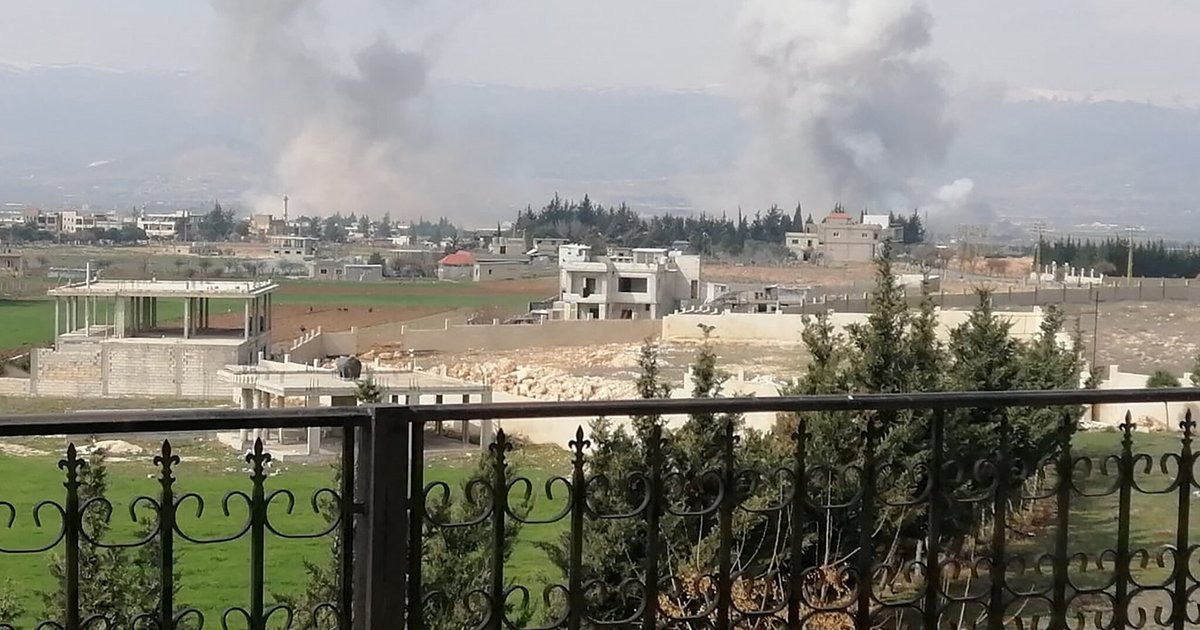
The United Nations High Commissioner for Refugees has warned of the risk of a "real humanitarian disaster" in Lebanon as the number of internally displaced persons continues to rise due to intense Israeli airstrikes. Carolina Lindholm Billing, the UNHCR representative in Lebanon, stated that nearly one million people, or one in five of Lebanon's population, have been forced to flee their homes since March 2, as a result of widespread Israeli bombardments and evacuation orders that have affected several areas.
Billing added that the displacement is no longer confined to the south and the Bekaa Valley but has extended to the capital, Beirut, and the north. She noted that the number of displaced individuals is still increasing, amid a declining sense of safety even in temporary shelters. She also pointed out that Israeli airstrikes targeted crowded neighborhoods in central Beirut last week, such as Zoqaq al-Blat and Bashoura, which had been a refuge for many displaced families.
Details of the Incident
Billing explained that one of the airstrikes occurred just one building away from a school housing displaced persons, which she had visited with the governor of Beirut a few days earlier. She confirmed that families "are living in a constant state of fear," and that the psychological effects, especially on children, will persist long after the current escalation ends. She also highlighted that the destruction of key bridges in the south has isolated entire areas, depriving more than 150,000 people of the ability to move and access safer regions, significantly restricting humanitarian aid access.
The UNHCR states that many families it meets daily have been displaced for the second or third time, with some returning to the same schools they sought refuge in during previous waves of displacement in 2024.
Background & Context
Lebanon has been experiencing multiple crises for years, suffering from economic and security deterioration, which has complicated the situation with the current mass displacement. The recent displacement has placed immense pressure on families and public services, necessitating an urgent response from the international community. Billing emphasized that there is a "clear and urgent need" not only to provide shelter but also to enhance protection and community support for the displaced.
At the same time, over 136,000 displaced individuals are residing in approximately 660 collective shelters, most of which are overcrowded schools exceeding their capacity. The overcrowding, lack of privacy, shared classrooms, and inadequate sanitation and other basic services increase protection risks, including exposure to exploitation and sexual violence.
Impact & Consequences
Reports indicate that the elderly and persons with disabilities are particularly affected by these conditions, as they struggle to sleep on classroom floors or use unsuitable facilities, exacerbating stress and trauma in an overcrowded and unsuitable environment. The UNHCR has so far provided protection services to over 27,000 people, including psychosocial support, recreational activities, counseling, and targeted assistance for the most vulnerable groups.
The UNHCR has launched an initial appeal for over $60 million, stressing that with sufficient funding, these programs can be expanded. It underscored the necessity of providing protection for civilians at all times.
Regional Significance
The situation in Lebanon serves as a model for the humanitarian crises faced by many Arab countries, where armed conflicts are escalating and worsening humanitarian conditions. Supporting Lebanon in this crisis is not only a humanitarian obligation but also an investment in regional stability. The more effectively humanitarian crises are addressed, the greater the opportunity for achieving peace and stability in the region.
In conclusion, the situation in Lebanon requires an urgent response from the international community, as any delay in providing support could exacerbate humanitarian conditions, threatening the lives of millions of civilians.