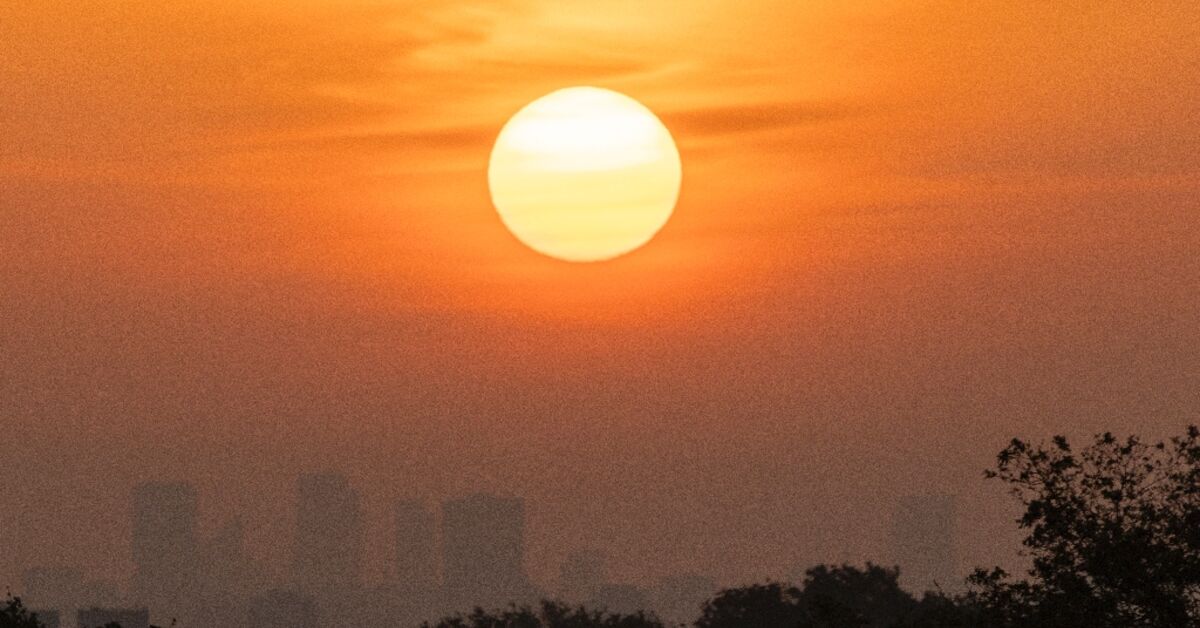
The United Nations has issued new warnings regarding the rise in global temperatures, indicating that rates will remain at record levels in the coming years. According to reports, the 11 hottest years have been recorded since 2015, reflecting a concerning trend that threatens the environment.
The World Meteorological Organization predicts a 75% chance that the average temperature from 2026 to 2030 will exceed the critical threshold of 1.5 degrees Celsius above the average temperatures recorded between 1850 and 1900. This warning highlights the increasing risks facing our planet due to climate change.
Event Details
These forecasts are part of a comprehensive report on the state of the global climate, where the United Nations confirmed that climate changes are accelerating at an unprecedented rate. The report indicated that the coming years may witness higher temperatures than ever before, necessitating urgent action to reduce greenhouse gas emissions.
Concerns are growing that these temperature increases will exacerbate environmental crises, such as rising sea levels and increased frequency of extreme weather events, including floods and droughts. This situation serves as a wake-up call for the international community to act more swiftly to address environmental challenges.
Background & Context
Since the onset of the industrial revolution, the Earth has experienced a notable rise in temperatures due to human activities, such as burning fossil fuels and deforestation. Scientific studies have shown that these activities lead to increased concentrations of greenhouse gases in the atmosphere, contributing to the greenhouse effect.
In recent years, climate issues have taken a prominent place in global political and economic discussions. Numerous international conferences, such as the Paris Climate Conference, have been held to devise effective strategies for reducing carbon emissions and achieving sustainable development goals.
Impact & Consequences
Forecasts indicate that the continued rise in temperatures will significantly impact ecosystems and economies worldwide. Agriculture is expected to be heavily affected, potentially leading to food shortages and rising prices, which will impact the most vulnerable segments of society.
Moreover, rising temperatures may lead to the spread of climate-related diseases, such as respiratory and infectious diseases. This situation requires an urgent health response from governments to strengthen healthcare systems to tackle these challenges.
Regional Significance
The Arab region faces significant challenges due to climate change, as it is one of the most affected areas by rising temperatures. Studies indicate that many Arab countries may suffer from severe water shortages, impacting agriculture and food security.
Additionally, Arab countries are located in sensitive geographical areas, making them susceptible to extreme weather phenomena. Therefore, the need for effective strategies to adapt to climate changes has become more urgent than ever.
The warnings issued by the United Nations regarding rising temperatures represent an urgent call for the international community to take effective action. Global and local efforts must unite to address climate challenges and ensure a safe future for generations to come.