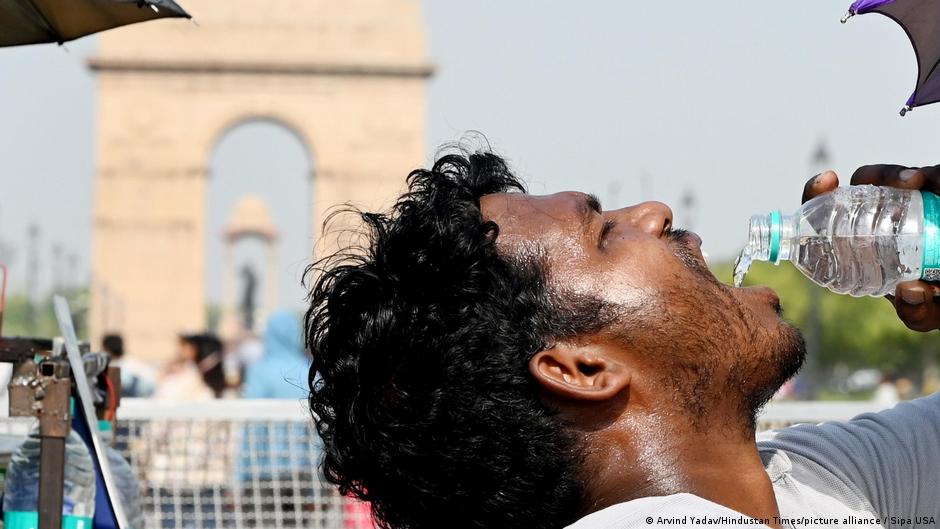
The United Nations warned on Thursday that global average temperatures may reach record levels in the next five years. According to a new report from the World Meteorological Organization, annual temperatures are expected to range between 1.3 and 1.9 degrees Celsius above the recorded average from 1850 to 1900 between the years 2026 and 2030.
The report indicated that there is a 75% chance that the global average temperature will exceed 1.5 degrees Celsius, which is the threshold agreed upon in the Paris Climate Agreement of 2015.
Event Details
Scientists clarified that the likelihood of global average temperatures exceeding 2 degrees Celsius above pre-industrial levels is considered "extremely unlikely." It is also predicted that 2024 will be a warm year, with a significant chance of surpassing it in the following years.
The report noted that there is an 86% probability that one of the years between 2026 and 2030 will surpass 2024 as the hottest year on record.
Background & Context
The phenomenon of El Niño, characterized by rising sea surface temperatures in the Pacific Ocean, is one of the factors influencing global weather patterns. The latest El Niño event contributed to making 2024 the hottest year ever recorded, with temperatures reaching approximately 1.55 degrees Celsius above the historical average.
The organization expects the Arctic region to experience temperatures above normal by 2.8 degrees Celsius over the next five years, which could lead to severe environmental impacts.
Impact & Consequences
Forecasts suggest that Northern Europe may experience extremely wet winters in the coming years, increasing the risk of flooding in the region. These extreme weather phenomena could affect agriculture and water resources, necessitating a swift response from governments.
Increasing climate changes may also exacerbate humanitarian crises in some areas, impacting food security and public health.
Regional Significance
In the Arab region, climate changes could worsen issues of drought and water scarcity, affecting agriculture and food security. Additionally, rising temperatures may increase pressure on natural resources, requiring effective strategies to adapt to these changes.
In conclusion, the current situation demands a coordinated global response to address the escalating climate challenges, as the negative impacts of climate change do not recognize borders, necessitating international cooperation.