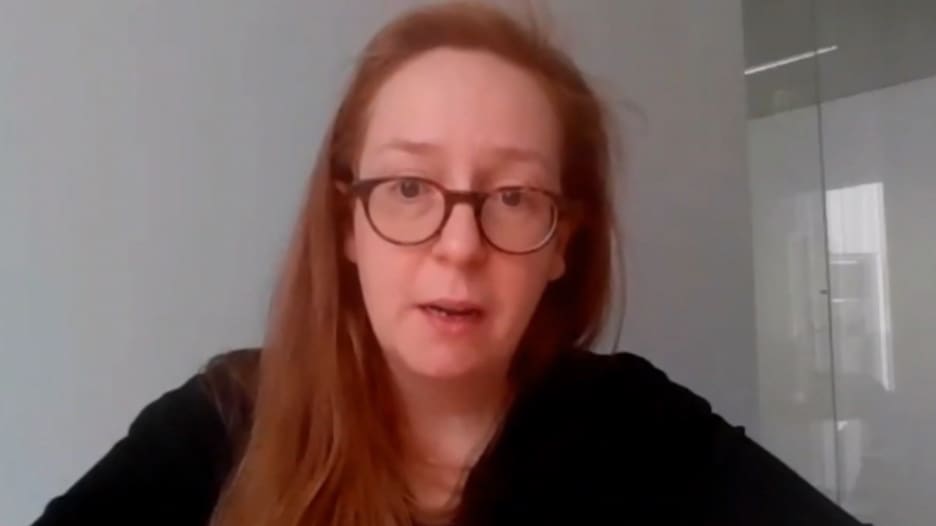
In a controversial incident, British authorities have uncovered a fraud case involving Katherine Weiland, who claimed to suffer from an illness that prevented her from leaving her home while she was enjoying adventures such as parasailing and surfing in Mexico. The 33-year-old woman managed to obtain over £23,000 in government assistance over more than two years, sparking significant outrage in the British community.
In detail, Weiland claimed to suffer from severe anxiety that prevented her from leaving her home, but in reality, she was enjoying trips to Cancun and visiting Thorpe Park three times. She also used the funds she received to pay for cosmetic treatments and a visit to a private dentist on Harley Street.
Details of the Incident
When confronted by authorities with bank documents proving her spending on entertainment, Weiland justified her actions by saying, "I didn't know I wasn't allowed to leave my house." Despite claiming she was unable to cook or care for herself, she scheduled 76 beauty appointments and visited 60 pubs and restaurants, raising questions about the credibility of her claims.
After returning from her luxurious trip to Mexico, Weiland submitted a review claiming that her health condition had deteriorated. However, she admitted guilt for failing to inform authorities of her changed circumstances and has now been ordered to repay the amount she obtained unlawfully.
Background & Context
This case is part of a broader phenomenon related to fraud in the social assistance system in the UK. Over the years, the British government has witnessed numerous similar cases, where some individuals exploited the assistance system for personal gain at the expense of taxpayers. This case highlights the need to enhance oversight of social assistance programs to ensure they reach those who truly deserve them.
In recent years, the British government has taken steps to tighten laws regarding social assistance, leading to an increase in investigations into fraud cases. However, this case remains a stark example of how the system can be exploited by some individuals.
Impact & Consequences
This incident serves as a slap in the face to all those who rely on the social assistance system, as Andrew Western, the Minister for Work and Pensions, stated that Weiland unfairly exploited the system. He noted that this behavior is an insult to every hardworking taxpayer and to those who genuinely rely on assistance.
This case sheds light on the importance of raising public awareness about social assistance fraud issues and how they can affect trust between the government and citizens. It also raises questions about the effectiveness of current systems in detecting fraud and punishing offenders.
Regional Significance
While this case may seem distant from the Arab region, it raises similar issues related to corruption and fraud in social support systems. In many Arab countries, citizens suffer from a lack of social services, making it essential to enhance transparency and accountability in the distribution of assistance.
This case serves as a call for Arab authorities to adopt stricter policies to combat corruption and ensure that assistance reaches those entitled to it. It also highlights the importance of education and awareness regarding citizens' rights and responsibilities in dealing with social systems.
In conclusion, the case of Katherine Weiland remains an example of how social systems can be exploited, necessitating a reassessment of policies and procedures to ensure social justice is achieved.