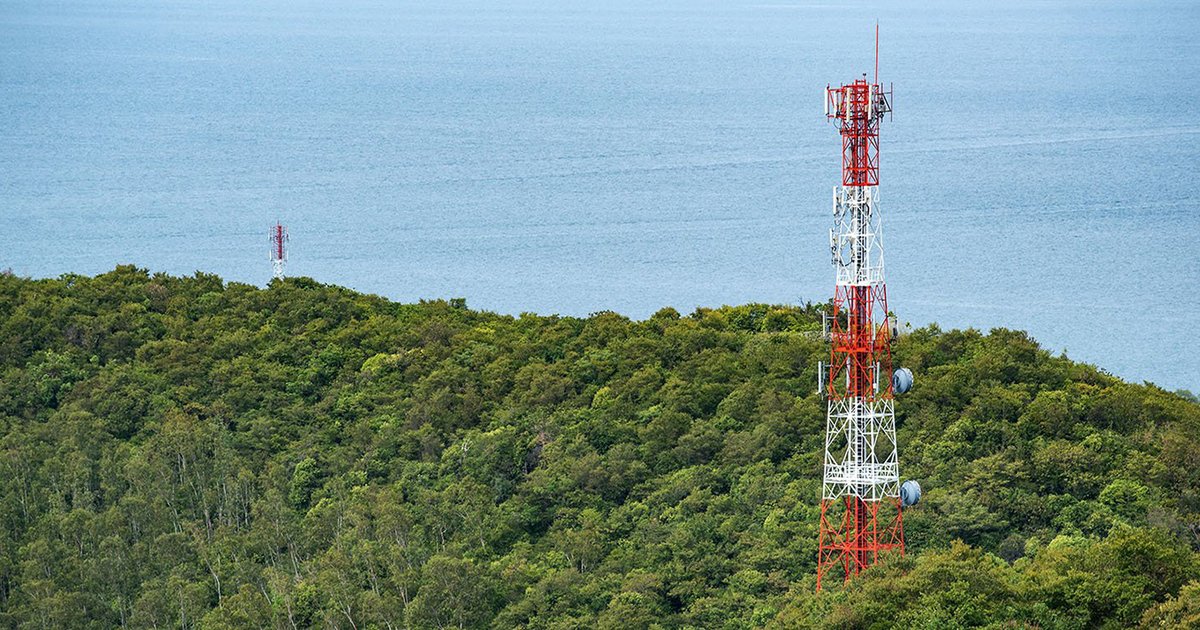
Communication towers are essential elements of modern communication infrastructure, playing a vital role in the transmission of data and information. However, there are hidden aspects related to these towers that may not be known to everyone, even to those closest to them.
Reports indicate that communication towers are not merely metal structures; they harbor secrets related to the technology used in them and their environmental impacts. While many strive to understand how these towers operate, some aspects remain mysterious.
Event Details
Communication towers are found in various locations, from major cities to remote villages, making them an integral part of daily life. As reliance on technology increases, the need for these towers grows to meet the rising demand for internet and communication services.
These towers incorporate advanced technologies, such as satellite communication and wireless networks, enabling them to provide fast and reliable services. However, there are concerns regarding their health and environmental impacts, necessitating further research and study.
Background & Context
Historically, communication towers began to emerge with the development of communication technology in the 20th century. Over time, these towers became a fundamental part of communication infrastructure worldwide. With the increasing use of smartphones and tablets, the demand for network improvements and additional towers has surged.
In recent years, many countries have witnessed an increase in the number of communication towers, sparking debate about their effects on public health. Some studies have shown that exposure to radiation from these towers may have negative health effects, prompting governments to impose new restrictions and regulations.
Impact & Consequences
The consequences of communication towers extend beyond health impacts; they also affect the environment. Research has shown that the construction of these towers can lead to the destruction of natural habitats and alteration of ecosystems. Therefore, there is an urgent need for comprehensive environmental assessments before building any new tower.
Moreover, the increase in the number of towers may exacerbate the digital divide between urban and rural areas, as some regions may remain deprived of good communication services. This raises questions about social justice and resource distribution.
Regional Significance
In the Arab region, communication towers are a crucial part of efforts to improve communication infrastructure. As reliance on technology grows, Arab countries are striving to enhance their networks to meet the needs of their populations. However, challenges related to health and the environment persist, requiring effective strategies to address them.
Many Arab nations hope to leverage modern technology to improve communication services, but this must be done in a manner that considers public health and environmental sustainability. Balancing technological advancement with environmental preservation is vital for ensuring a sustainable future.
In conclusion, communication towers remain a complex topic that requires further research and study. It is essential to understand their impacts on society and the environment and to develop sustainable technological solutions that ensure individual health and environmental safety.