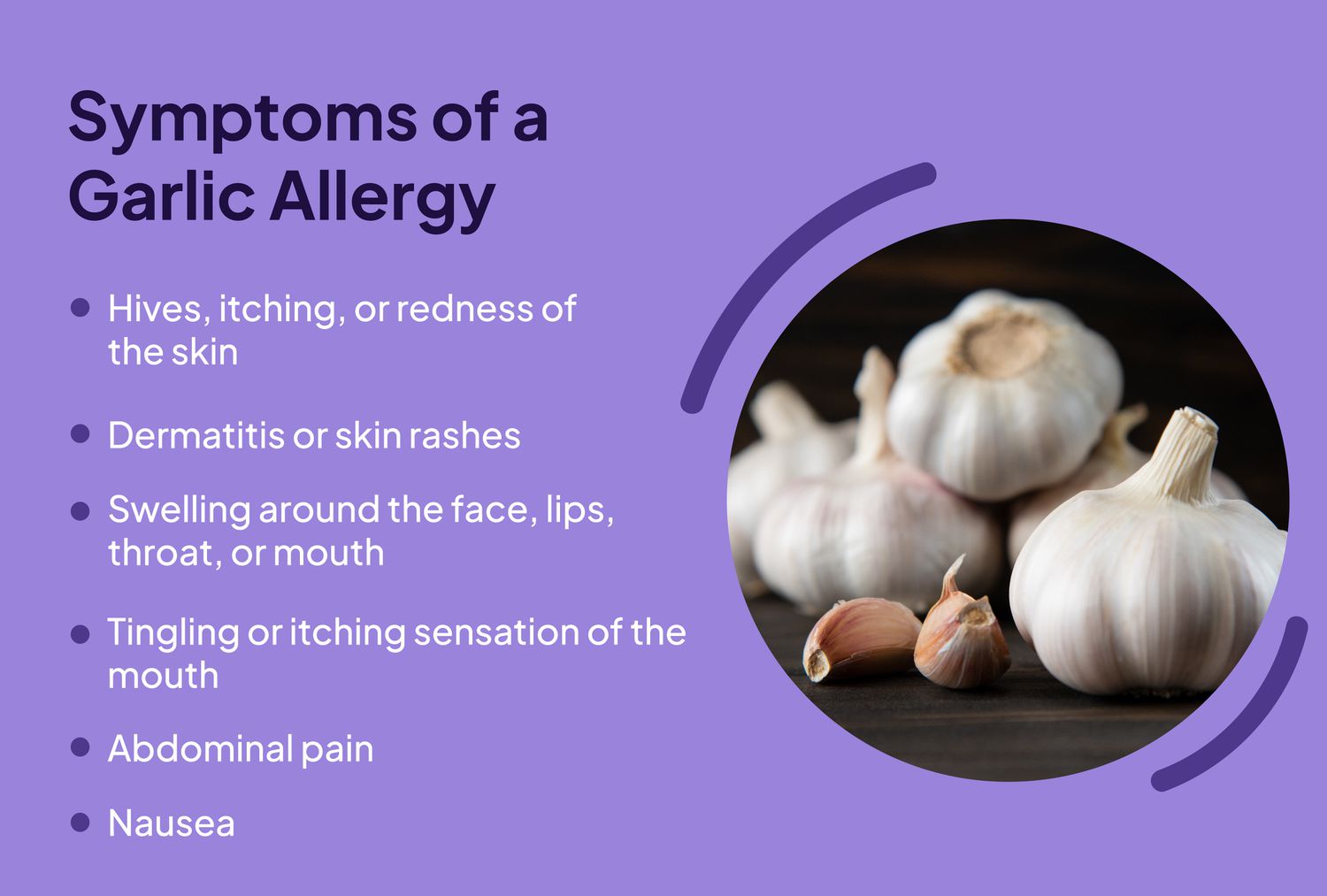
Food allergies are one of the growing health issues affecting many people worldwide. In this condition, the immune system mistakenly identifies natural food proteins, such as those found in milk or peanuts, as real threats, triggering defensive reactions that can be dangerous.
The severity of symptoms resulting from food allergies varies from person to person, with mild symptoms like itching and digestive disturbances potentially escalating to life-threatening complications. This condition is not rare; rather, it has been increasing significantly in recent years, necessitating greater attention from the medical community and families.
Details of the Condition
Under normal circumstances, the immune system recognizes food without reacting. However, in cases of food allergies, the immune system perceives ordinary proteins as threats and launches a strong defensive response against them. When consuming allergenic food, the body begins to produce antibodies known as immunoglobulin E (IgE), which bind to specific immune cells. Upon subsequent exposure to the same substance, these cells trigger the release of chemicals, most notably histamine, which is directly responsible for allergic symptoms.
Studies indicate that certain groups are more susceptible to food allergies, such as children, where symptoms may develop more rapidly. Food allergies are categorized into two main types: immediate allergies, characterized by rapid onset of symptoms, and delayed allergies, which often affect the digestive system.
Background & Context
Food allergies are a global health issue, with statistics showing that approximately 5-8% of children and 2-3% of adults suffer from this condition. Certain foods, such as milk, eggs, peanuts, nuts, fish, and wheat, are among the most common triggers. In some cases, additives like sulfites can cause similar symptoms.
Food allergies require significant awareness from individuals and families, as allergic reactions can occur even with minimal amounts of allergenic food. Therefore, prevention is the key step in managing this condition by avoiding allergenic foods and carefully reading product ingredient labels.
Impact & Consequences
Severe allergy cases, such as anaphylaxis, require immediate medical intervention, as they can lead to life-threatening allergic shock. Prominent signs of anaphylaxis include difficulty breathing, swelling of the face or throat, dizziness, or loss of consciousness. Therefore, individuals with food allergies must be aware of how to handle emergencies, including the use of adrenaline injections.
There is an increasing need for community awareness regarding food allergies, as they can significantly affect the quality of life for affected individuals. Enhanced awareness can help reduce the risks associated with this condition, thereby improving overall safety.
Regional Significance
In the Arab region, cases of food allergies are on the rise, calling for greater attention from health authorities. Health strategies should include awareness and educational programs on how to manage food allergies, along with improving diagnosis and treatment.
In conclusion, food allergies represent a health phenomenon that requires special attention, as familiar foods can turn into real threats. It is essential for individuals and communities to be aware of this condition and how to manage it effectively.