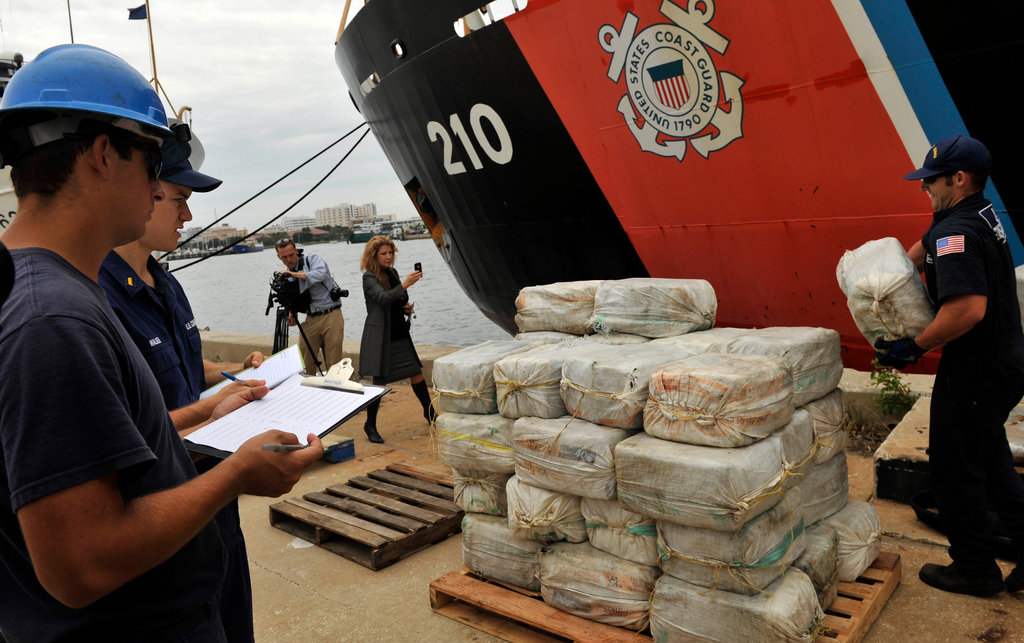
Concerns are rising about how smugglers bypass customs with prohibited goods. Various methods and techniques are employed by traffickers, prompting experts to offer guidance on addressing this pressing issue.
Customs play a crucial role in safeguarding nations from the risks associated with smuggling. As global trade expands, new challenges emerge for customs authorities, necessitating the development of effective strategies to combat this phenomenon.
Event Details
Reports indicate that many smugglers employ innovative methods to bypass customs, including hiding prohibited goods within legal containers. Numerous cases have been documented where traffickers successfully introduced significant quantities of drugs and weapons across borders.
Customs authorities are enhancing inspection and monitoring procedures, utilizing modern technology such as X-ray machines and drones to oversee borders. Additionally, staff are being trained to recognize the new methods employed by smugglers.
Background & Context
Historically, smuggling operations have posed a significant challenge for many countries, often relying on traditional methods such as land border crossings. With technological advancements, smugglers have become more innovative, complicating anti-smuggling efforts.
In recent years, several countries have witnessed a rise in smuggling rates, prompting governments to implement stringent measures to address this issue. These measures have led to increased international cooperation among nations to combat cross-border smuggling.
Impact & Consequences
Smuggling operations have negative repercussions on both the economy and national security. The introduction of prohibited goods fuels organized crime and adversely affects local markets.
Moreover, smuggling contributes to the proliferation of drugs and weapons, increasing crime and violence rates within communities. Therefore, addressing this phenomenon requires collaborative efforts from all stakeholders involved.
Regional Significance
Arab countries face significant challenges in combating smuggling, as the region serves as a major transit point for various prohibited goods. This situation has led to increased cooperation among Arab nations to exchange information and enhance security measures.
Arab nations are striving to develop effective strategies to combat smuggling, including improving legislation and training customs personnel. Cooperation with international organizations to combat smuggling is also being strengthened.
In conclusion, smuggling remains a complex issue that demands ongoing efforts from all concerned parties. Enhancing awareness and international cooperation are fundamental steps in addressing this phenomenon.