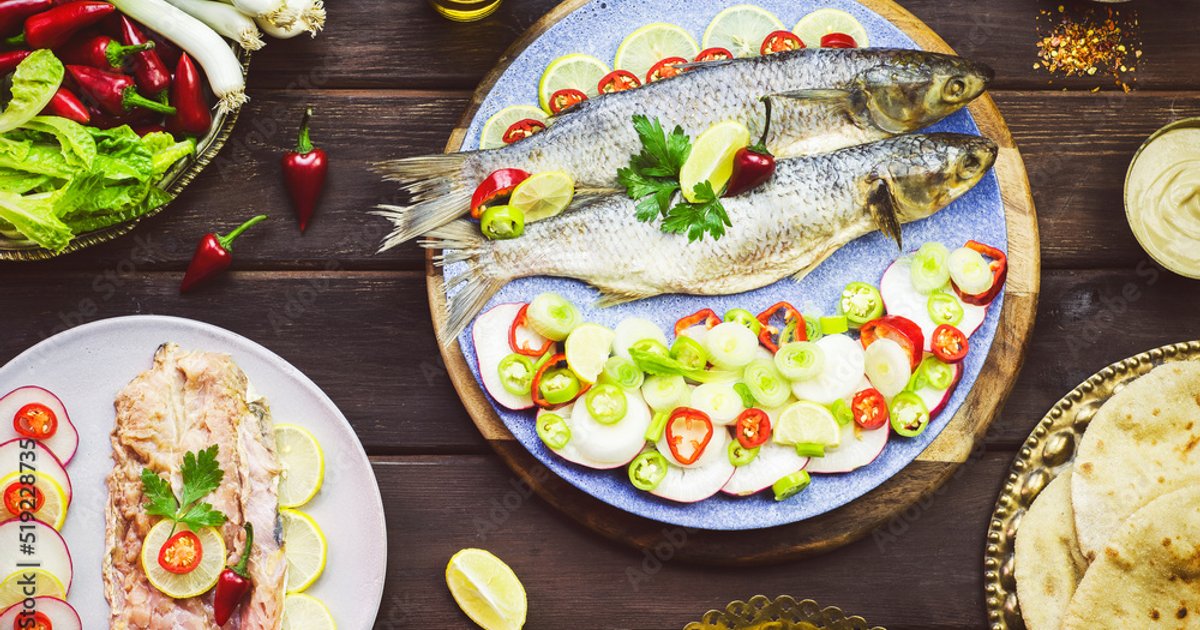
Feseekh is a traditional dish favored by many in Egypt during the Sham El-Nessim celebrations. Despite its distinctive taste, it poses health risks that can affect consumers if not eaten with caution.
The health risks associated with feseekh are numerous, as studies indicate that it can lead to serious health problems, especially if consumed in large quantities or not stored properly. Among these risks, feseekh can cause food poisoning due to the presence of bacteria or parasites that may be found in it.
Details of the Event
Cases of food poisoning linked to feseekh consumption increase during Sham El-Nessim, as the demand for this type of salted fish rises. The Egyptian Ministry of Health has warned against consuming feseekh that is unverified or from unreliable sources, emphasizing the need to ensure the safety of the product before consumption.
Other potential harms to consumers include high blood pressure due to the large amount of salt used in preparing feseekh, as well as kidney issues resulting from consuming excessive sodium. Additionally, individuals with fish allergies should completely avoid feseekh.
Background & Context
The tradition of eating feseekh during Sham El-Nessim dates back to ancient times, where it was considered a symbol of celebrating the arrival of spring. However, changes in preparation and storage methods have led to increased health risks associated with it. In recent years, Egypt has witnessed numerous cases of food poisoning related to feseekh, prompting health authorities to take awareness measures for consumers.
The Ministry of Health aims to raise awareness about how to consume feseekh safely by providing tips on how to choose good quality types and how to store them properly. It also stresses the importance of consulting doctors if any abnormal symptoms appear after consuming feseekh.
Impact & Consequences
The dangers of feseekh extend beyond individual health risks, affecting the healthcare system as a whole, which increases pressure on hospitals during holiday periods. Cases of food poisoning can lead to additional costs for the healthcare system, necessitating intensified awareness efforts.
These risks may also influence the dietary habits of Egyptians, as some may seek safer, healthier alternatives to celebrate Sham El-Nessim, potentially impacting the feseekh industry overall.
Regional Significance
Feseekh is part of the culinary heritage in many Arab countries, not just in Egypt. Therefore, the risks associated with it may affect the culture of consuming salted fish in the region. Health incidents can lead to changes in dietary habits, opening the door for alternative dishes that may be safer.
In conclusion, feseekh remains a part of Egyptian heritage, but consumers must exercise caution and follow health guidelines to ensure their safety during Sham El-Nessim celebrations.