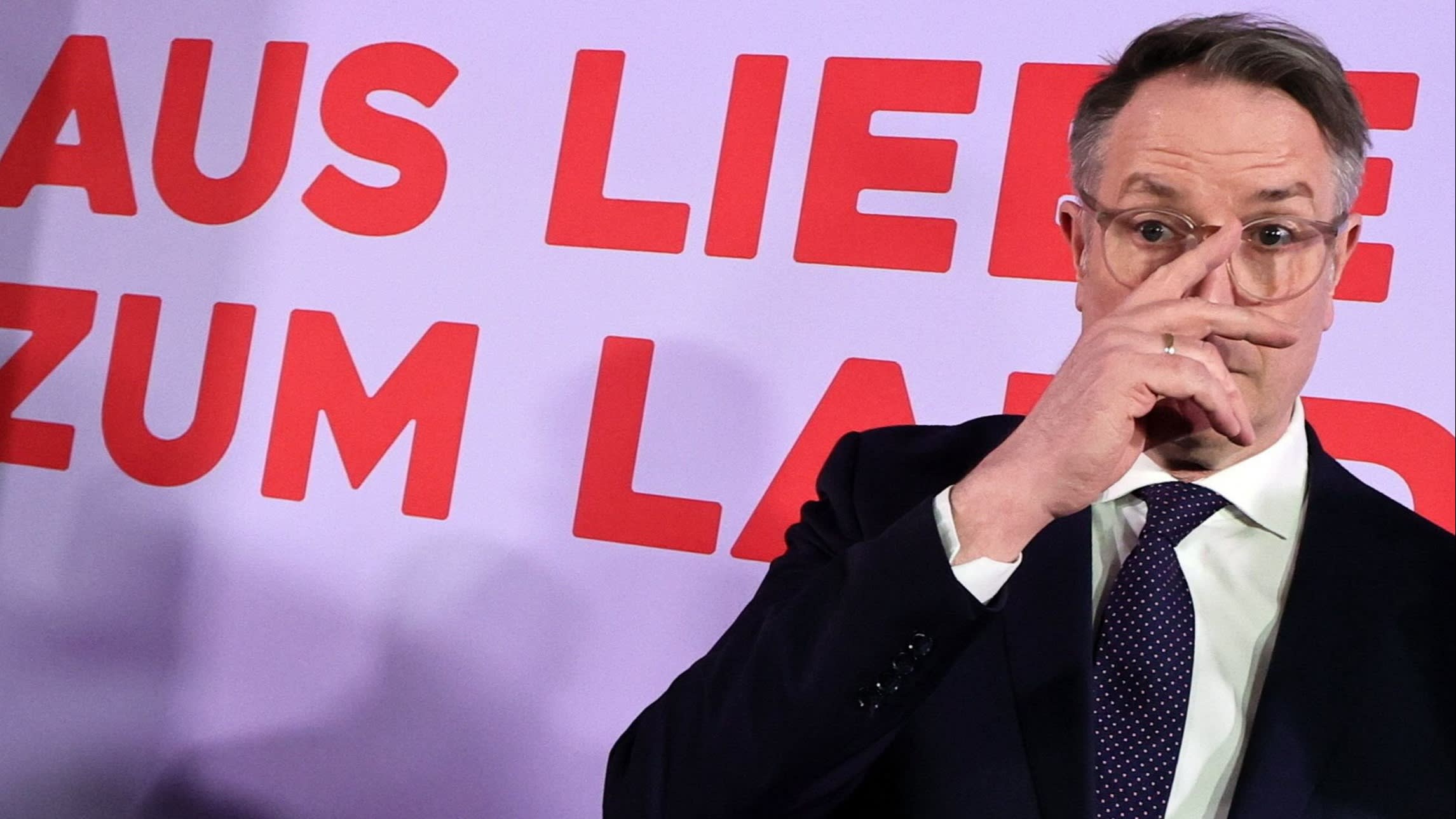
The Christian Democratic Union (CDU) has unexpectedly triumphed in the Rhineland-Palatinate state elections, defeating its coalition partner, the Social Democratic Party (SPD). This result comes at a sensitive time for the federal government led by Chancellor Olaf Scholz, as forecasts suggest that this victory could reshape the political landscape in Germany.
In the recent elections, the CDU secured a substantial percentage of the vote, enabling it to make significant gains. Meanwhile, the other two parties, the SPD and the Greens, are facing declining popularity, giving the CDU a strong opportunity to bolster its position in the federal government.
Election Details and Implications
The recent victory marks a major shift in German politics, highlighting a clear decline in the ruling coalition's ability to maintain support across various states. The elections occurred amid public discontent towards the government due to multiple crises in the country, including economic and health challenges. Notably, this outcome may complicate Chancellor Scholz's efforts in implementing economic and social reforms.
The votes gained by the CDU indicate a desire among voters for a change in the current trajectory, which may reflect on government strategies at the federal level. Additionally, this win suggests a reevaluation of the party's role and an expansion of its grassroots support, especially in states traditionally seen as bastions of the SPD.
Background and Context
Historically, the CDU has represented the main power in the German political landscape for decades. However, the beginning of this decade witnessed a notable decline following significant events in European and global politics, including the refugee crisis and the repercussions of the COVID-19 pandemic. Despite this, the party has managed to recover somewhat, especially as economic conditions in the country have deteriorated.
The alliance between the CDU and the SPD has undergone numerous changes and internal divisions, weakening the government's position. Many criticisms have been directed at the current government policies, contributing to a loss of trust in political leadership.
Consequences and Challenges Ahead
The impact of this victory may have far-reaching consequences for how the federal government is managed. Chancellor Scholz is expected to face increasing pressure to forge new compromises with the CDU, which could complicate even the simplest decision-making processes. This situation may hinder the government's ability to execute the reform plans it has been seeking to implement.
The challenges the government will face include maintaining balance within the current coalition and addressing the social and economic issues that are fueling public discontent. The CDU's win may strengthen the opposition's position, and we might witness greater resistance to the changes proposed by the government.
Implications for the Arab Region
This complex political situation in Germany may extend its impact on Middle Eastern issues. Germany has been an important partner in many regional matters, including refugee support and cooperation in combating terrorism. Any disruptions within the German government could adversely affect humanitarian aid programs and developmental cooperation in the region.
Changes in German foreign policy directly influence Arab interests, as shifts in governance may lead to altered approaches regarding migration and security cooperation. Therefore, Arab countries engaging with Germany should closely monitor these developments.