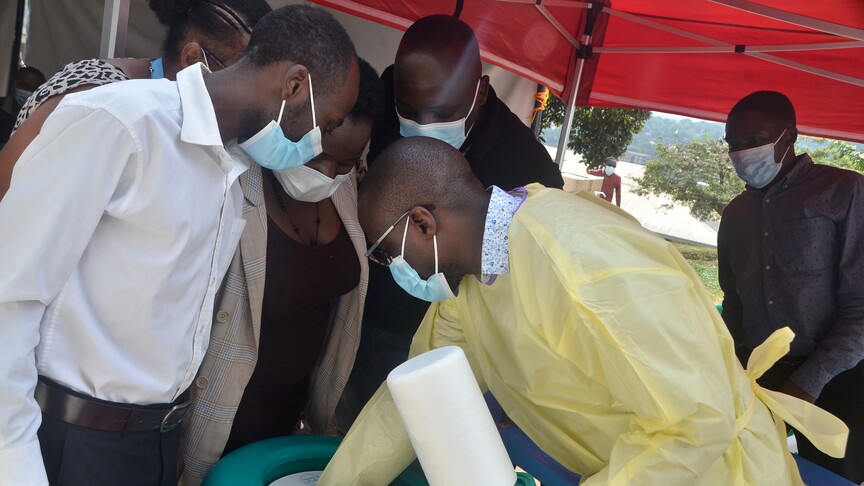
The United Nations has announced a $60 million allocation to combat the outbreak of the Ebola virus in Central Africa, where officials have stressed the urgent need to address this outbreak before it worsens. This decision comes at a critical time as infection rates in the region are increasing, necessitating swift and effective intervention.
Mark Lowcock, the UN's relief chief, stated, "We need to be at the forefront of tackling this outbreak." He highlighted the importance of cooperation among countries and humanitarian organizations to ensure that necessary aid reaches those affected. He also emphasized the need to enhance health awareness among local communities to curb the spread of the virus.
Event Details
Reports indicate that cases of the Ebola virus have risen significantly in some Central African countries, raising concerns among local populations. Numerous new cases have been recorded in the Democratic Republic of the Congo, which is considered one of the most affected areas by the virus. Cases have also been reported in neighboring countries, increasing the risk of the virus spreading to other regions.
The UN's plan to combat Ebola includes providing medical and logistical support, as well as strengthening healthcare capacities in affected areas. Vaccines and necessary treatments will also be provided to help reduce the virus's spread.
Background & Context
The Ebola virus is one of the deadly viruses that first emerged in 1976, causing numerous outbreaks in Africa. Historically, the Democratic Republic of the Congo has been one of the most affected countries, experiencing several waves of outbreaks. Despite international efforts to combat the virus, challenges remain, including a lack of health resources and community awareness.
In recent years, effective vaccines against Ebola have been developed, aiding in the control of some outbreaks. However, there remains an urgent need to strengthen health infrastructure in affected areas to ensure a rapid and effective response to any future outbreaks.
Impact & Consequences
The outbreak of the Ebola virus can have widespread impacts on public health and the economy of affected countries. In addition to human losses, outbreaks can lead to a decline in economic activity, affecting vital sectors such as agriculture and tourism. The fear of the virus may also result in decreased travel and trade, further increasing the economic burdens on countries.
Addressing Ebola requires strong international cooperation, as no country can tackle this challenge alone. Financial and technical support from the international community is vital to ensure the success of efforts to combat the virus.
Regional Significance
Although the Ebola outbreak is concentrated in Central Africa, there are potential implications for the Arab region. The spread of the virus could heighten health concerns in Arab countries, especially given the trade and tourism links between nations. Additionally, Arab cooperation in public health could play a role in enhancing responses to epidemics.
In conclusion, the UN's allocation of $60 million represents an important step in addressing the Ebola outbreak. However, ongoing efforts are necessary to raise health awareness and provide the resources needed to ensure the safety of affected communities.