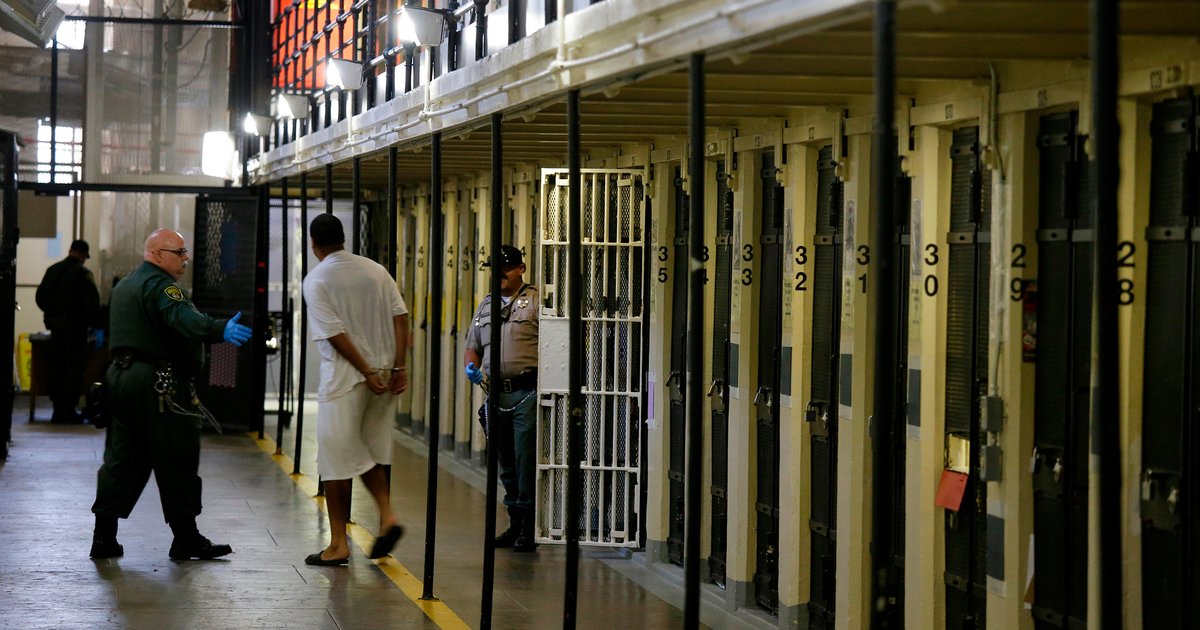
The United Nations has expressed its steadfast position against the death penalty, emphasizing the need to abolish laws that sanction this punishment, particularly the law allowing the execution of prisoners, which it described as "horrific and must be repealed." This statement is part of increasing international efforts to limit the use of the death penalty worldwide.
In this context, the United Nations affirmed that the death penalty does not align with international human rights standards, considering it a violation of the right to life. Several reports have been issued indicating that this punishment does not contribute to achieving justice or deterrence, but rather exacerbates violations.
Details of the Event
The UN's statements come at a sensitive time, as pressure mounts on countries that still implement the death penalty. A UN spokesperson noted that many countries have abolished or suspended this punishment, reflecting a shift towards respecting human rights. He also urged countries that continue to apply the death penalty to reconsider their laws.
In this regard, specific cases of prisoner executions have been highlighted, as they are considered a blatant violation of international laws. The spokesperson pointed out that executing prisoners is a violation of human rights and must be taken seriously.
Background & Context
Historically, the death penalty has been a subject of significant debate in many countries. In recent decades, there have been notable shifts in countries' positions regarding this punishment, with many moving towards its abolition or suspension. Human rights organizations have played a crucial role in raising awareness about the dangers of this punishment and its negative impacts on society.
It is worth noting that the United Nations has issued several resolutions calling on countries to abolish the death penalty, stressing the importance of respecting human rights. Studies have shown that countries that have abolished this punishment have seen improvements in their overall human rights records.
Impact & Consequences
The continued application of the death penalty, especially in cases involving the execution of prisoners, could negatively impact the image of these countries in the international community. This may lead to increased international pressure on them, and they could face sanctions or other measures from the global community. Furthermore, these policies could affect the diplomatic relations of the countries involved.
Moreover, abolishing the death penalty could help enhance human rights in those countries, leading to improved relations with international organizations. It could also contribute to achieving social and economic stability.
Regional Significance
In the Arab region, the death penalty remains a contentious issue. Some Arab countries have seen increasing calls for the abolition of this punishment, while others still cling to it. The UN's position may influence these countries and prompt them to reconsider their policies.
Abolishing the death penalty in Arab countries could improve their image in the international community and enhance human rights within them. Additionally, this could open the door to broader dialogue on human rights issues in the region.
In conclusion, the issue of the death penalty remains one of the contentious matters that require further discussion and debate. The UN's stance reflects a shift towards respecting human rights and strengthens global calls for the abolition of this punishment.