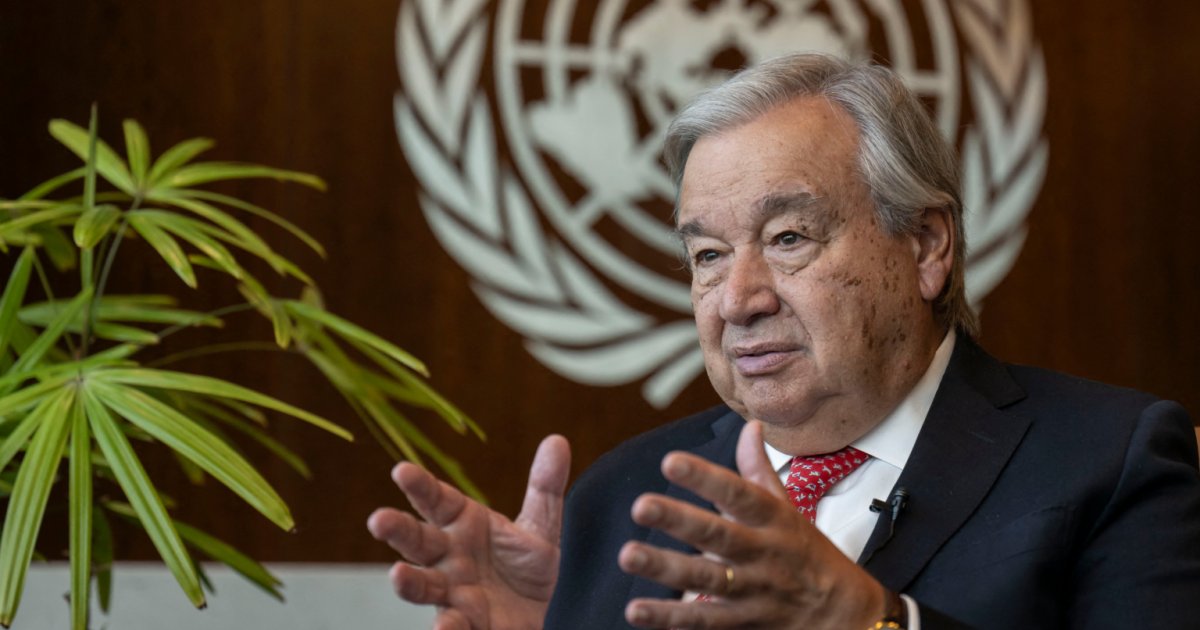
Chinese UN envoy Sen Li stated on Tuesday, March 31, that reforms related to the United Nations must focus on achieving tangible results, emphasizing the need to move away from formalities and bureaucratic practices that hinder effective work. This statement comes at a time when the organization faces increasing challenges on the international stage, necessitating a reassessment of how it manages its tasks.
Sen Li explained that the proposed reforms aim to avoid past mistakes that led to the creation of overlapping and redundant structures, which obstruct the actual performance of the United Nations. He noted that the current international situation, marked by rising tensions and global challenges, places significant pressure on multilateralism and the role of the United Nations.
Details of the Event
During discussions on a resolution concerning the establishment, implementation, and review of UN tasks, Sen Li affirmed that these reforms are part of the UN80 initiative, which aims to modernize the organization to better meet the needs of member states. He pointed out that this initiative includes important principles and procedures designed to improve how tasks are created, implemented, and reviewed.
He also expressed hope that these principles would be effectively implemented, providing useful guidance for member states and the UN Secretariat. Sen Li confirmed that the goal of these reforms is to enhance the effectiveness and efficiency of the United Nations, renewing its authority and vitality in the face of global challenges.
Background & Context
The United Nations was established in 1945 with the aim of promoting international peace and security and providing a platform for cooperation among nations. Over time, the organization has faced numerous challenges, including humanitarian crises and armed conflicts. In recent years, calls for reforming the United Nations have increased, urging it to be more effective and relevant in the modern era.
The proposed reforms are part of ongoing efforts to improve the performance of the United Nations, as member states, particularly developing countries, seek to ensure that their voices are heard and their needs are taken into account in decision-making processes.
Impact & Consequences
These reforms represent an important step towards enhancing the role of the United Nations in addressing global challenges. If implemented effectively, they could contribute to improving the organization's response to crises and enhancing international cooperation in areas such as sustainable development, human rights, and security.
Moreover, these reforms could positively impact relationships among member states, as they may foster trust and cooperation between developed and developing countries, contributing to the achievement of global goals such as the 2030 Agenda for Sustainable Development.
Regional Significance
For Arab countries, reforms at the United Nations may open new avenues for international cooperation, particularly in areas of development and security. With many Arab nations facing economic and social challenges, enhancing the effectiveness of the United Nations could provide the necessary support for these countries.
Furthermore, focusing on the needs of developing countries could help improve the situation in the Arab region, enhancing opportunities for sustainable development and reducing economic and social gaps.
In conclusion, the proposed reforms at the United Nations represent a significant step towards enhancing the organization's effectiveness in addressing global challenges. By focusing on achieving tangible results, these reforms could improve international cooperation and provide the necessary support for member states, including Arab countries.