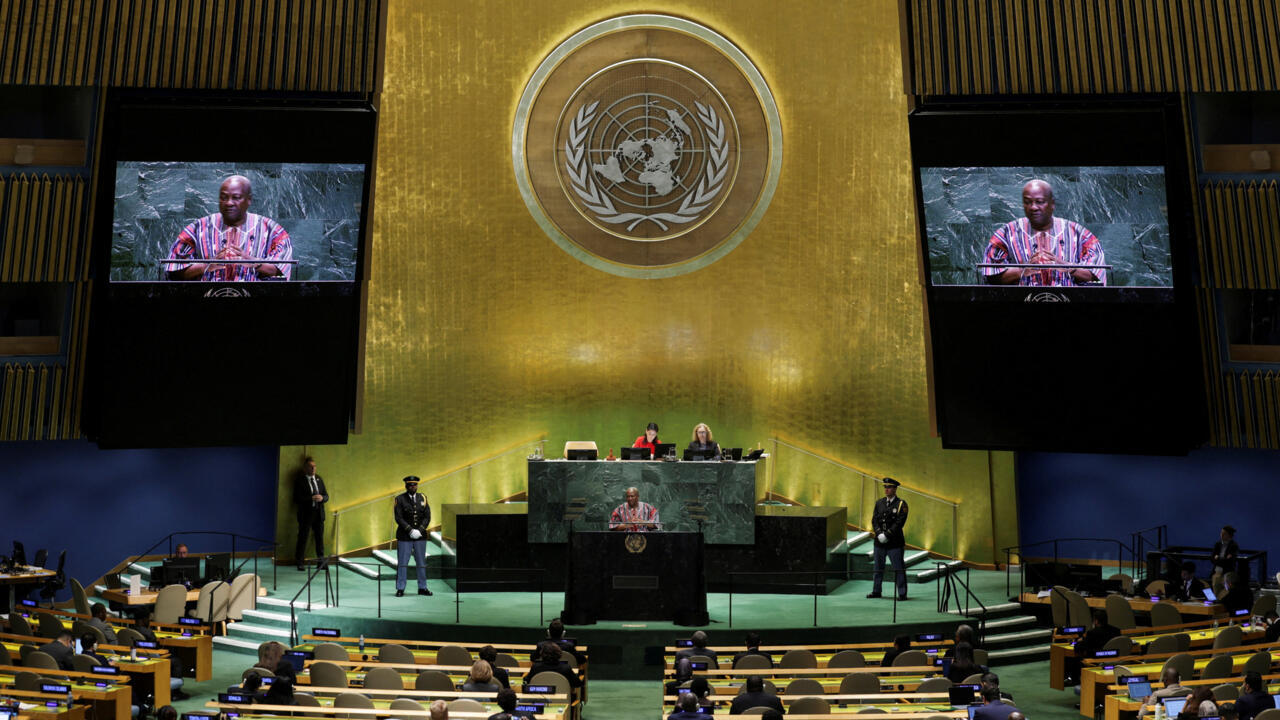
The United Nations General Assembly adopted a historic resolution on Wednesday, describing the slave trade that has plagued the African continent throughout history as the 'gravest crime against humanity.' This initiative, proposed by Ghana, aims to pave the way for official apologies, accountability, and reparations for the historical injustices suffered by Africans as a result of these practices.
The resolution received support from 123 countries, met with enthusiastic applause in the hall, while 3 countries—the United States, Israel, and Argentina—opposed it. Additionally, 52 countries, including Britain and most European Union nations, abstained from voting. This division reflects the varying opinions on the issues of reparations and historical responsibility.
Details of the Resolution
The resolution states that 'the trafficking of enslaved Africans and the racial enslavement of Africans' constitutes some of the most heinous crimes against humanity. It condemns what it describes as 'this atrocity against humanity,' emphasizing that the repercussions of these crimes are still evident in today's global reality.
Furthermore, the text highlights the extensive nature of this crime and its brutal, systematic character, pointing to its ongoing consequences, which manifest today in forms of 'racial discrimination and neocolonialism.' The resolution calls for a critical examination of the colonial and racist legacy in international relations.
Context and Background
The slave trade throughout history has been one of the darkest chapters in human history, exploiting millions of Africans under harsh and inhumane conditions. This trade not only affected the direct victims but also left profound impacts on African societies, leading to family disintegration and cultural destruction.
In recent years, many countries and international institutions have begun to reassess this historical era, where apologies and reparations are part of the efforts to rectify past wrongs. However, this issue remains contentious, especially given the differing stances among nations.
Consequences and Impact
This move comes at a sensitive time, as global calls for social justice and equality are on the rise. The United Nations' decision may open the door for other countries to acknowledge their historical responsibilities, potentially leading to changes in international policies.
On the other hand, reactions from countries that opposed the resolution, such as the United States, indicate that there are significant challenges in achieving justice. The United States has described the text as 'highly problematic,' asserting that it 'does not recognize a legitimate right to reparations for harms that were not illegal under the prevailing international law at the time.'
Impact on the Arab Region
The slave trade and its effects extend to the Arab region, where there have been historical and cultural links between Africa and Arab countries. These connections underscore the need for a deeper understanding of the shared history and the ongoing repercussions of these crimes.
Moreover, this resolution could contribute to enhancing dialogue between Arab and African nations regarding issues of justice and reconciliation, potentially leading to strengthened cultural and economic relations between both sides.
In conclusion, the United Nations General Assembly's decision represents a significant step towards acknowledging historical crimes and reflects the urgent need for justice and reconciliation in a world still grappling with the effects of discrimination and exploitation.