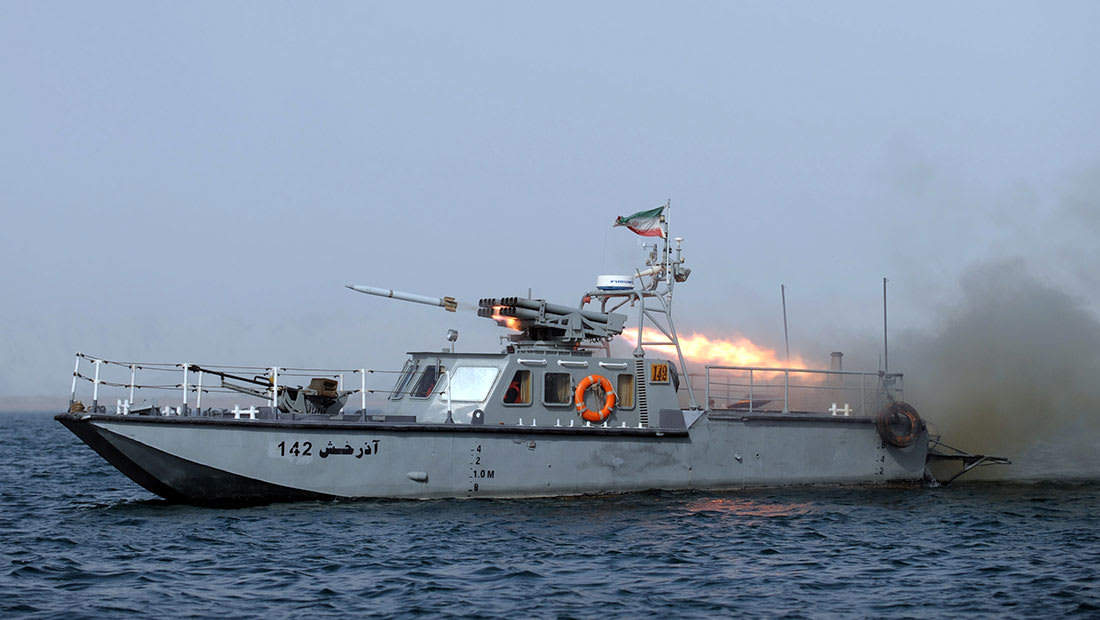
The United States is preparing to deploy the USS George Bush aircraft carrier near the ongoing conflict with Iran, according to media reports. The carrier will enter the area of responsibility of the U.S. Central Command, which includes the Middle East. It remains unclear whether the USS George Bush will join two other American carriers already operating in the region for several weeks, which could escalate tensions in the area.
Details of the Deployment
This move comes at a sensitive time, as U.S.-Iranian relations are experiencing increasing tension. The USS George Bush, named after former U.S. President George H.W. Bush, is one of the largest warships in the world and can accommodate over 5,000 crew members. Previous reports indicated that the carrier might be part of U.S. efforts to bolster its military presence in the region amid concerns over escalating conflict with Iran.
U.S. military movements in the region are not new, as the United States previously sent the USS Dwight D. Eisenhower aircraft carrier to the Arabian Gulf, reflecting Washington's strategy to enhance its military presence in response to potential threats from Iran. This military deployment comes at a time when fears are rising regarding Iran's nuclear activities and its interventions in the affairs of regional countries.
Background & Context
Historically, U.S.-Iran relations have been tense since the Islamic Revolution in 1979. Since then, the region has witnessed numerous crises and conflicts, including the Iran-Iraq War, the U.S. invasion of Iraq, and the Iranian nuclear issue. In recent years, tensions have notably escalated, especially following the U.S. withdrawal from the Iranian nuclear agreement in 2018 and the re-imposition of economic sanctions on Tehran.
In this context, the USS George Bush aircraft carrier is considered part of a broader U.S. strategy aimed at deterring Iran from any potential military escalation. Its presence in the region reflects Washington's commitment to the security of its Gulf allies, such as Saudi Arabia and the UAE, who are concerned about Iran's growing influence.
Impact & Consequences
This move is expected to increase tensions in the region, as Iran may perceive it as a direct threat to its national security. In the event of any escalation, global markets, particularly oil markets, which heavily rely on regional stability, could be affected. Furthermore, any military escalation could lead to serious humanitarian consequences, especially given the ongoing humanitarian crises in countries like Iraq and Syria.
The U.S. military presence in the region may provoke reactions from other countries, including Russia and China, which might view this deployment as a threat to their interests in the Middle East. Additionally, this situation could impact relations between the United States and its European allies, who are seeking diplomatic solutions to the Iranian crisis.
Regional Significance
For Arab countries, an increased U.S. military presence may mean enhanced regional security, but it could also lead to escalated conflicts. Gulf states, which are concerned about Iranian threats, may see this deployment as an opportunity to strengthen their alliances with the United States. However, any military escalation could negatively impact stability in the region and increase civilian suffering.
In conclusion, the situation in the region remains tense, and much depends on how Iran responds to these military movements. The bolstering of U.S. military presence could have far-reaching effects on security and stability in the Middle East.