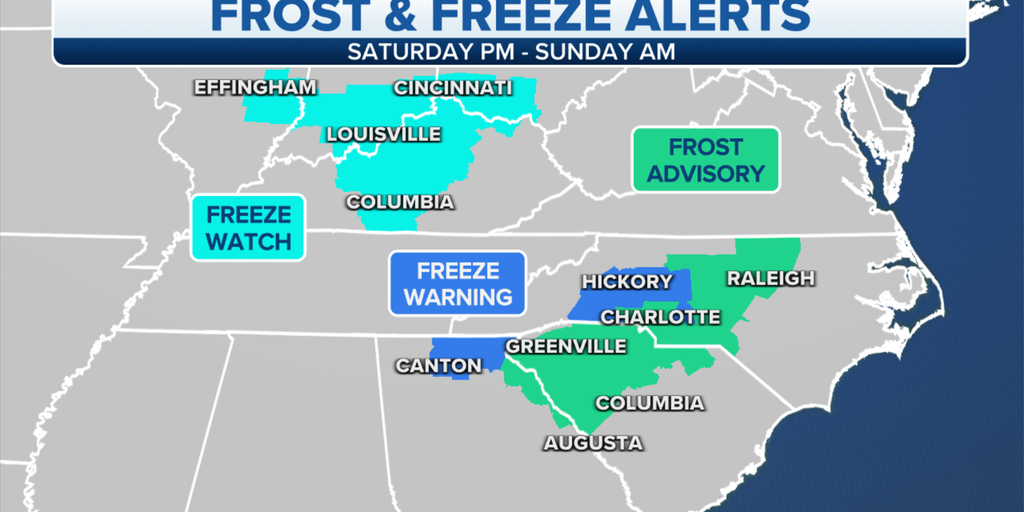
The southern regions of the country are experiencing unprecedented drops in temperatures this April, with minimums reaching 4°C. This climatic change raises concerns among citizens and specialists alike.
The weather during this period is affected by a wave of cold, making it one of the coldest periods in this month over the years. Meteorological experts have indicated that this phenomenon may be a result of global climatic changes impacting the region.
Details of the Event
According to meteorological reports, some areas in the south have recorded significantly low temperatures, prompting citizens to take additional precautions to cope with the biting cold. It has been observed that many families have resorted to using additional heating methods to keep their homes warm.
Experts have also pointed out that this cold wave may last for several days, necessitating that citizens exercise caution and follow safety advice. Vulnerable groups, such as children and the elderly, have been warned to take preventive measures.
Background & Context
Historically, April is considered one of the months that experience climatic fluctuations, but what is happening this year is unusual. The region has been accustomed to moderate temperatures at this time of year, making this drop in temperatures a phenomenon worthy of study and analysis.
This cold wave coincides with global climatic changes, where the phenomenon of global warming is affecting weather patterns worldwide. Studies have shown that these changes may lead to further climatic fluctuations in the future.
Impact & Consequences
This cold wave can impact agriculture and the local economy, as crops may be at risk due to the drop in temperatures. Additionally, this situation may lead to increased energy demand, potentially putting additional pressure on electrical grids.
Moreover, these weather conditions may affect public health, as they can increase cases of respiratory illnesses and influenza, especially among vulnerable populations. Therefore, it is crucial for health authorities to take necessary measures to address these challenges.
Regional Significance
This phenomenon is part of a larger climatic pattern affecting the Arab region as a whole. Other countries in the region have experienced similar climatic fluctuations, raising questions about how prepared nations are to face these climatic challenges.
In light of these conditions, Arab countries should enhance cooperation in meteorology and information exchange to effectively address climate changes. Clear strategies should also be in place for adapting to these changes.
In conclusion, this cold wave in April serves as a reminder of the extent to which climate changes impact our daily lives. It is essential to be prepared to face these challenges through awareness and proper planning.