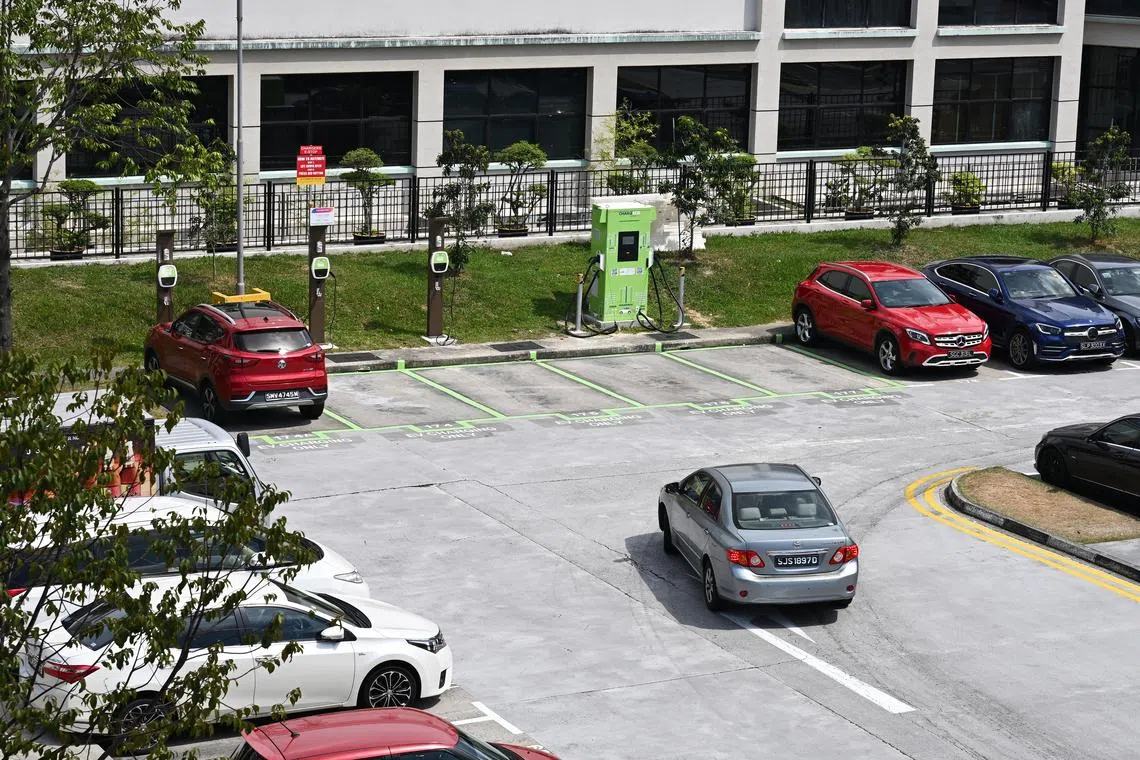
Authorities have announced an upgrade to the national standards for electric vehicle charging, introducing new technologies that include wireless charging systems. This technology allows users to charge their electric vehicles simply by parking them over a designated charging platform, making the charging process easier and more efficient.
This step is part of ongoing efforts to promote the use of electric vehicles, which are considered an environmentally friendly alternative compared to traditional fuel-powered cars. With the growing global interest in sustainability and reducing carbon emissions, the development of wireless charging technologies is viewed as a strategic move in this direction.
Event Details
The new standards include improvements in charging efficiency, allowing users to charge their vehicles without the need to connect cables, thereby saving time and effort. This technology is expected to contribute to an increase in the number of electric vehicles on the roads, as the charging process will become more accessible and convenient.
Additionally, wireless charging is seen as an innovative solution to the problems faced by traditional charging stations, such as congestion or lack of charging points. By utilizing this technology, users can charge their vehicles anywhere a wireless charging system is available, enhancing the flexibility of electric vehicle usage.
Background & Context
Historically, the electric vehicle industry has seen significant growth in recent years, driven by increased environmental awareness and rising fuel prices leading to higher demand for electric vehicles. However, the charging process has been considered one of the biggest barriers facing users of these vehicles, making the development of new technologies essential.
Developed countries, such as the United States and Europe, are at the forefront of innovations in this field, having invested heavily in developing advanced infrastructure for electric vehicle charging. Nevertheless, challenges remain, especially in developing countries where the necessary infrastructure to support this type of vehicle is lacking.
Impact & Consequences
The development of wireless charging technologies is expected to have a significant impact on the electric vehicle market. This technology will enhance the appeal of electric vehicles to consumers, potentially leading to increased sales. Furthermore, this advancement may encourage manufacturers to invest more in developing new and innovative electric vehicles.
Moreover, the adoption of this technology could help reduce reliance on fossil fuels, which is considered a positive step towards achieving global sustainability goals. The use of wireless charging may also open new avenues for innovation in other areas, such as public and home charging solutions.
Regional Significance
In the Arab region, the development of wireless charging technologies presents a significant opportunity to enhance the use of electric vehicles. With an increasing focus on sustainability and environmental issues, Arab countries can leverage this technology to reduce carbon emissions and improve air quality in major cities.
Investing in electric vehicle charging infrastructure, including wireless charging, can also boost the local economy by creating new job opportunities in technology and renewable energy sectors.
In conclusion, updating the national standards for electric vehicle charging represents an important step towards a more sustainable future. By adopting new technologies such as wireless charging, the use of electric vehicles can be promoted, leading to significant environmental and economic benefits.