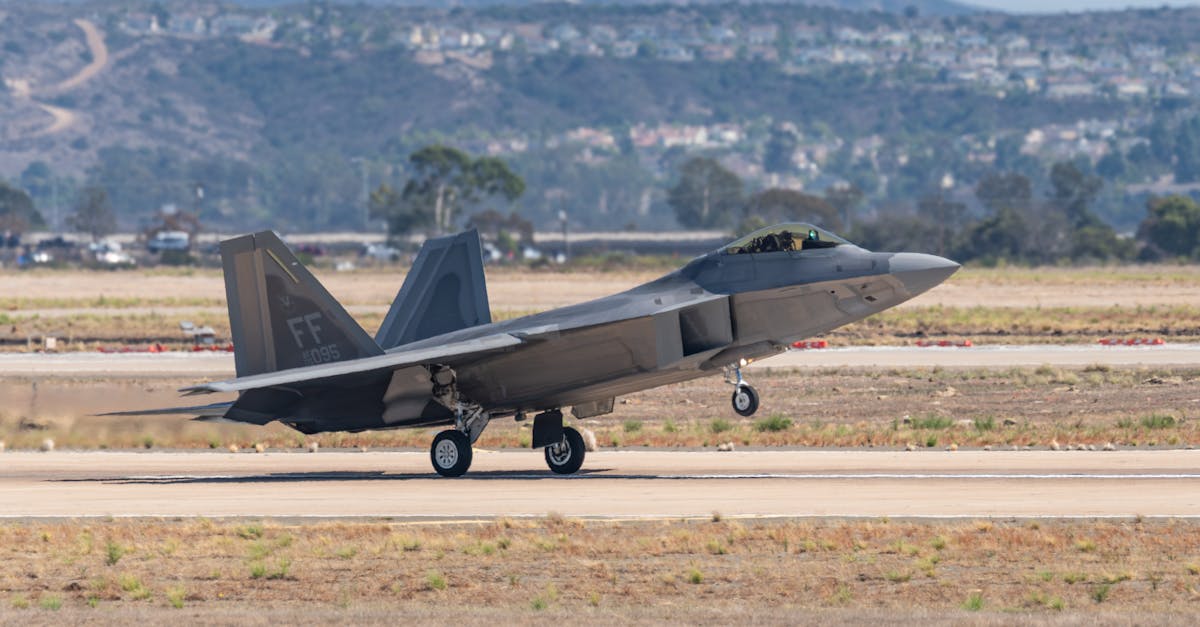
Reports indicate that the United States has achieved a decisive military victory against Iran, reflecting a strategic shift in the ongoing conflict between the two parties. This victory occurs at a critical moment characterized by increasing tensions in the region, where fears of greater military escalation are on the rise.
These developments follow a series of military operations conducted by U.S. forces in the region, targeting strategic sites affiliated with Iran. U.S. officials have confirmed that these operations aimed to undermine Iran's ability to conduct military operations against American interests and its allies in the Middle East.
Details of the Event
According to sources, the military operations executed by the United States included precise airstrikes targeting weapons storage sites and Iranian command centers. These airstrikes resulted in the destruction of several military assets and the arrest of a number of Iranian personnel.
Officials also noted that these operations were supported by accurate intelligence, which contributed to their effective achievement of objectives. These operations were carried out in coordination with U.S. allies in the region, reflecting the close cooperation among the involved parties.
Background & Context
Historically, U.S.-Iranian relations have experienced escalating tensions since the United States withdrew from the nuclear agreement in 2018. Since then, military operations and threats between the two sides have intensified, leading to a state of instability in the region.
Iran is considered a key player in regional conflicts, supporting armed groups in Iraq, Syria, and Lebanon, which complicates the security landscape in the Middle East. In this context, the United States seeks to reduce Iran's influence in the region through various military and economic strategies.
Impact & Consequences
This American victory could alter the dynamics of the conflict in the region, potentially pressuring Iran to retract some of its aggressive policies. Additionally, this victory may strengthen the United States' position in future negotiations with Iran.
However, this escalation may provoke reactions from Iran and its allies, increasing the likelihood of further conflict. Therefore, the situation in the region remains sensitive and requires close monitoring by the international community.
Regional Significance
The recent developments in the U.S.-Iran conflict have a direct impact on Arab countries, as they may lead to changes in regional alliances. Countries that feel threatened by Iranian influence, such as Saudi Arabia and the UAE, may view this victory as an opportunity to enhance their cooperation with the United States.
Conversely, some other countries may be concerned about the rising tensions, which could affect their internal stability. Thus, the overall impact of these events may be complex and necessitate careful analysis.
The U.S. military victory against Iran represents a turning point in the ongoing conflict and may have far-reaching implications for security and stability in the region.