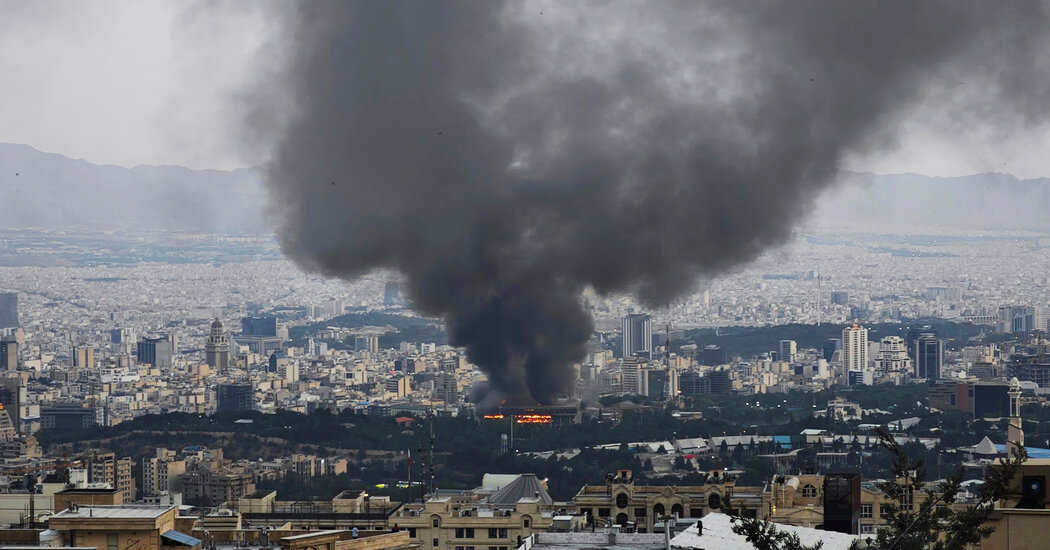
U.S. Vice President J.D. Vance confirmed that the United States has successfully achieved the vast majority of its military objectives in Iran, noting that the U.S. administration is approaching the neutralization of threats posed by Iran in the long term. These remarks come at a sensitive time when the region is witnessing increasing tensions.
Vance, speaking at a press conference, clarified that the United States is not interested in maintaining a long-term presence in Iran, reflecting a shift in U.S. strategy towards the region. This statement also reflects a desire to reduce U.S. military presence in conflict areas and focus on achieving specific objectives.
Details of the Event
In his remarks, Vance pointed out that the military operations conducted by the United States in Iran were well-planned and effective, aimed at reducing terrorist threats and enhancing regional security. He emphasized that the U.S. administration is continuously assessing the situation and will make necessary decisions based on available data.
Vance also addressed cooperation with allies in the region, stating that the United States will continue to support countries facing threats from Iran, including backing local forces in countering security challenges. This strategy aims to enhance stability in the region and reduce reliance on U.S. forces.
Background & Context
Historically, the United States has intervened in Iranian affairs for decades, with relations between the two countries experiencing increasing tensions since the 1979 Islamic Revolution. Since then, the United States has pursued a policy of containing Iran, leading to the imposition of economic and military sanctions.
In recent years, tensions have escalated further, especially following the U.S. withdrawal from the Iranian nuclear deal in 2018. This move significantly impacted relations between Iran and Western countries and led to an escalation of military activities in the region.
Impact & Consequences
The achievement of U.S. military goals in Iran could change the dynamics of conflict in the region. If the United States can reduce Iranian threats, it may lead to greater stability in the Gulf Arab states and enhance prospects for peace in the area.
However, a potential withdrawal of U.S. forces could create a vacuum that other powers, such as Russia or China, might exploit to increase their influence in the region. This situation could lead to heightened tensions among major powers in the Middle East.
Regional Significance
Arab countries neighboring Iran, such as Iraq and Syria, are among the most affected by developments in U.S.-Iranian relations. If the United States succeeds in neutralizing Iranian threats, it could lead to improved security conditions in these countries.
Nevertheless, Arab nations must be cautious of any vacuum that may arise from a U.S. withdrawal, as Iran might attempt to expand its influence in the region, potentially escalating sectarian and political conflicts.
In conclusion, it appears that the United States is striving to achieve its military objectives in Iran, but the question remains: what comes after withdrawal? Challenges persist, and time will reveal the true impact of this strategy.