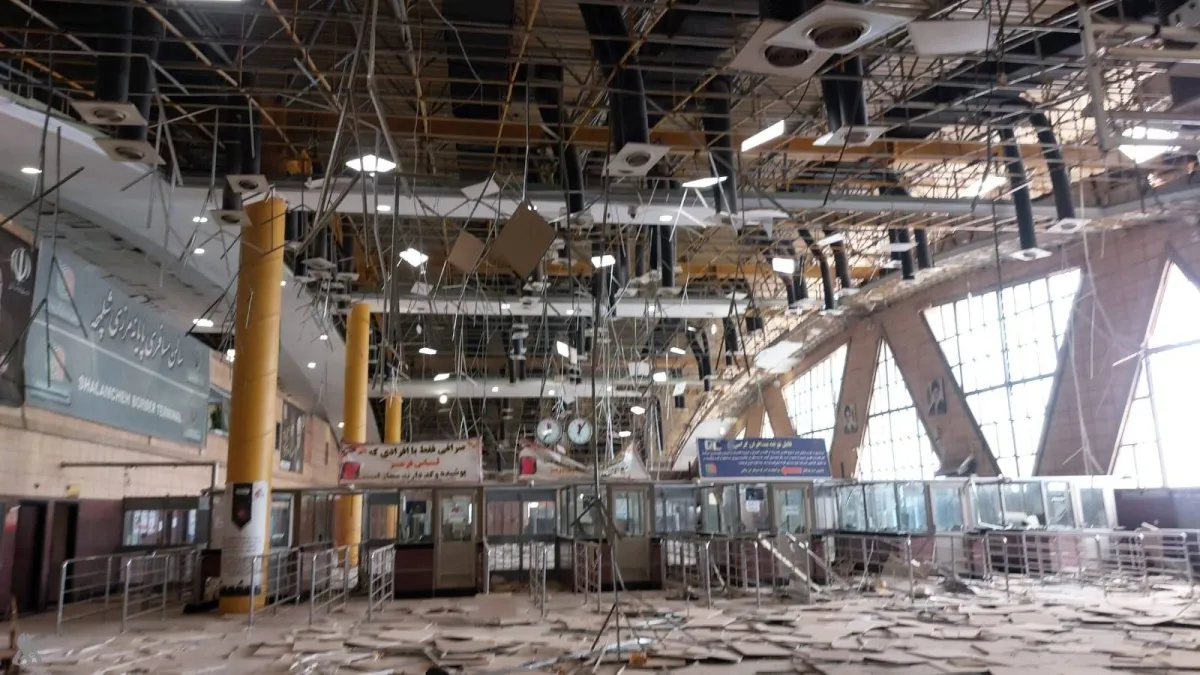
U.S. forces conducted an airstrike on the Shalamcheh border crossing between Iraq and Iran, resulting in one death and five injuries. This action is part of Washington's efforts to isolate Iraq from Tehran, as the crossing is considered a vital artery for trade between the two countries.
The strike, which took place in Basra, disrupted trade and passenger movement, reflecting a notable escalation in tensions between the United States and Iran. The attack coincided with the crossing of support convoys, further complicating the security situation in the region.
Details of the Incident
In the details of the incident, the airstrike targeted the Shalamcheh crossing, which is one of the most important border points between Iraq and Iran. This crossing is heavily used for trade and passenger transport, making it a strategic target for the United States. Reports indicated that the attack resulted in one death and five injuries, raising concerns about escalating violence in the region.
Later, Iraqi authorities announced the resumption of passenger movement through the crossing, but the damage to infrastructure continues to affect trade flow. Concurrently with this attack, oil facilities in Basra were targeted by drone strikes, causing material damage, while strikes on Popular Mobilization Forces sites in Anbar continued, resulting in one death and five injuries.
Background & Context
These developments come amid the ongoing conflict between the United States and Iran, as Washington seeks to reduce Tehran's influence in Iraq. Since the withdrawal of U.S. forces from Iraq, the country has witnessed a surge in Iranian activities, prompting the United States to take more aggressive steps to influence the security situation.
The Shalamcheh border crossing has a long history of trade exchange between Iraq and Iran and is considered one of the key points connecting the two countries. With rising tensions, this crossing has become a target for U.S. airstrikes, reflecting Washington's strategy to isolate Iraq from Iran.
Impact & Consequences
The United States aims through these airstrikes to cut supplies and disrupt trade between Iraq and Iran, which could have negative repercussions on the Iraqi economy. Additionally, the continuation of military pressures may exacerbate security conditions in the region, increasing the likelihood of new conflicts.
Observers believe that this strategy could worsen humanitarian crises in Iraq, where many residents depend on cross-border trade. Furthermore, targeting oil facilities could impact the Iraqi government's revenues, complicating the economic situation even further.
Regional Significance
These events signal an increase in tensions in the region, which may lead to greater instability in Iraq and neighboring countries. As military pressures continue, the number of displaced persons and refugees may rise, placing additional burdens on neighboring states.
Moreover, these developments could affect relations between Arab countries and Iran, as some nations may adopt harsher stances toward Tehran amid escalating tensions. Ultimately, the situation in Iraq remains contingent on the developments of the conflict between the United States and Iran, keeping the entire region on edge.