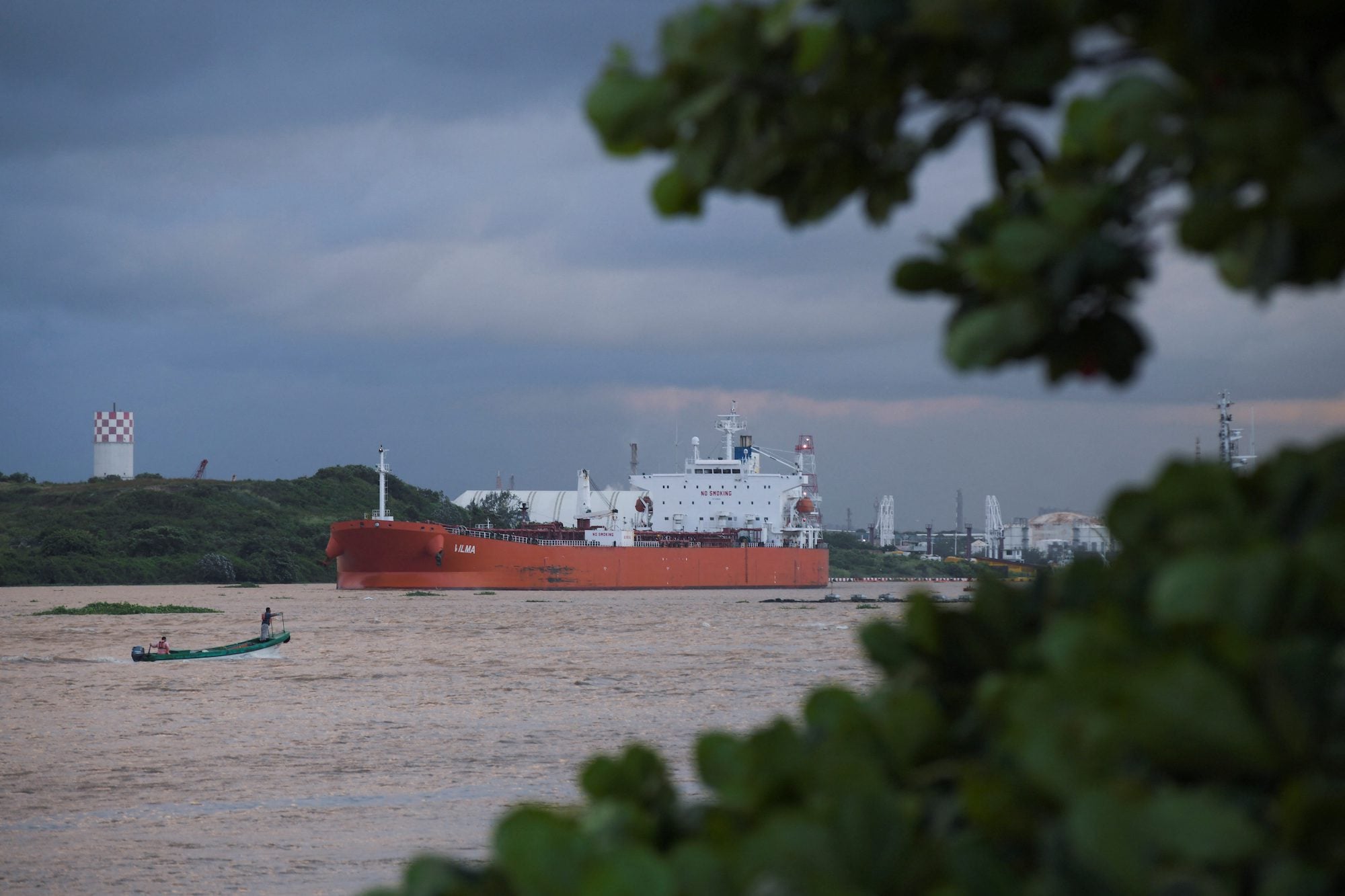
In an unexpected move, the United States has allowed Russian oil tankers to send shipments of crude oil to Cuba, amid the energy blockade that the Caribbean island has been suffering from for several months. The shipment, which contains approximately 730,000 barrels of oil, is expected to arrive at the port of Matanzas in Cuba next Tuesday.
This decision comes at a time when Cuba is facing a severe energy crisis, with reports indicating that this shipment could help meet the country's energy needs for several weeks before its reserves run out.
Details of the Event
Last January, the U.S. government imposed a blockade on oil directed to Cuba, threatening countries that supply fuel to the island. Recently, Cuba has experienced a worsening economic situation, leading to power outages, fuel shortages, and rising prices, which have negatively impacted health services.
Despite the presence of U.S. Coast Guard patrol vessels in the waters near Cuba, no action has been taken to stop the Russian ship. It is believed that this decision was made to avoid escalating tensions with Russia at this time.
Background & Context
Historically, Cuba has been under the influence of the U.S. blockade for decades, leading to a deterioration of the economic and social conditions in the country. In recent years, pressures on the Cuban government have increased, especially after President Miguel Díaz-Canel took office. Cuba has suffered from a severe shortage of resources, making it increasingly reliant on foreign support, including from Russia.
In this context, the United Nations has criticized U.S. policies, stating that these actions contribute to exacerbating humanitarian crises in Cuba. Former U.S. President Donald Trump expressed his desire to change the regime in Cuba, reflecting the ongoing tensions between the two countries.
Impact & Consequences
This U.S. move is seen as a shift in strategy, as it may help alleviate pressure on the Cuban government, potentially leading to a temporary stabilization of economic conditions. However, it raises questions about how far U.S.-Russia relations can reach amid current tensions.
This shipment could also affect Cuba's relations with other countries in the region, as it may open the door for further cooperation with Russia, complicating the geopolitical landscape in the Caribbean.
Regional Significance
Although the situation in Cuba may seem distant from Arab issues, there are lessons to be learned. Economic and political crises often lead to humanitarian repercussions, reflecting the challenges faced by many Arab countries. Additionally, cooperation among nations in facing crises can serve as a model for the region.
In conclusion, the situation in Cuba remains under observation, as this shipment may lead to a change in the course of events, both locally and regionally.