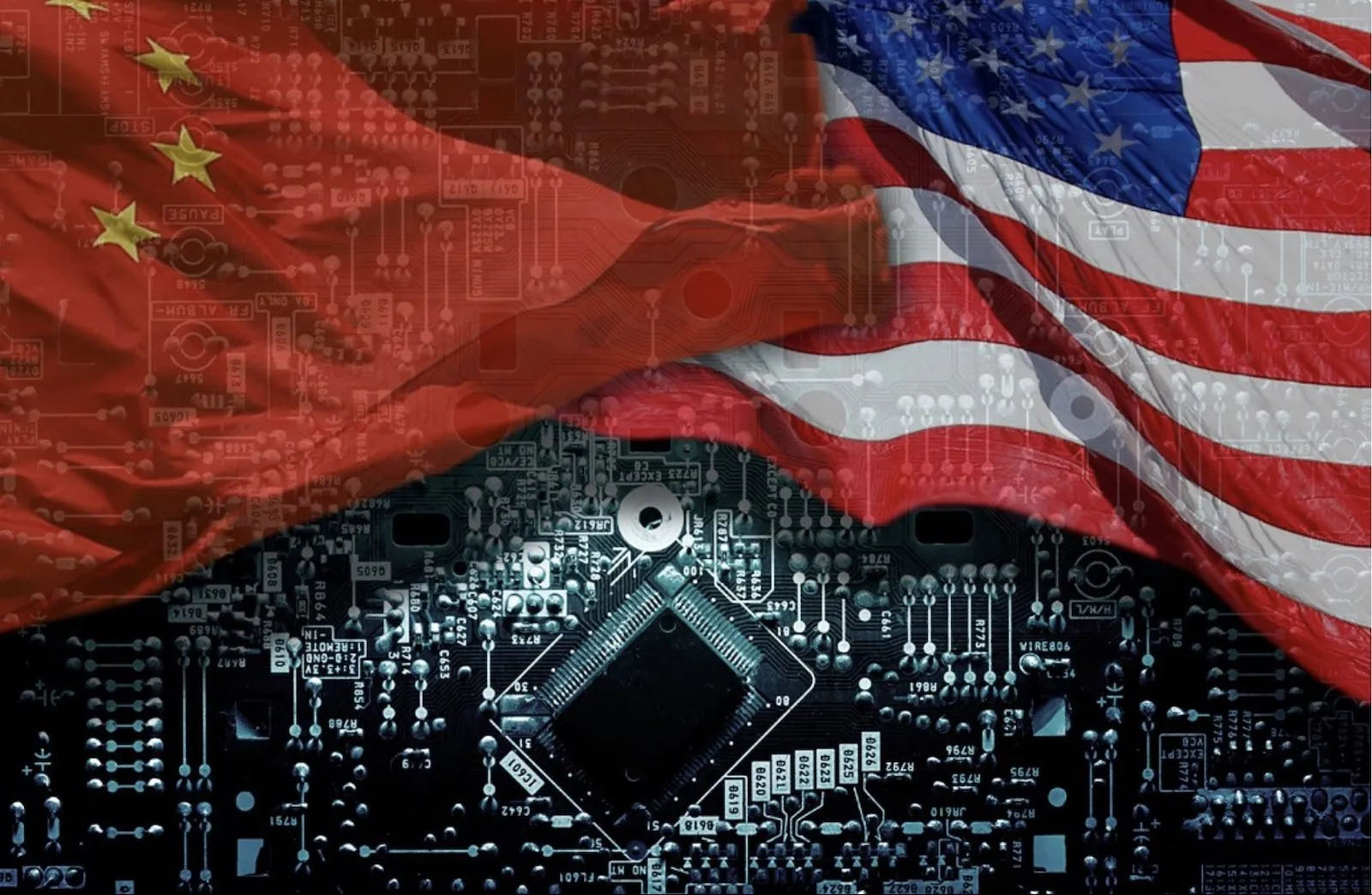
The United States has approved the sale of H200 chips, regarded as Nvidia's second most powerful artificial intelligence chips, to approximately 10 Chinese companies. Despite this approval, no shipments have been delivered thus far, according to sources cited by Reuters.
Sources indicated that the export approvals issued by the U.S. Department of Commerce included major Chinese companies such as Alibaba, Tencent, ByteDance, and JD.com, along with distributors like Lenovo and Foxconn. The licenses stipulated that each approved buyer could acquire up to 75,000 chips.
Details of the Approval
These approvals come at a sensitive time, as Chinese companies face complex geopolitical and logistical challenges. Sources noted that some companies have hesitated to finalize deals based on directives from the Chinese government, which is concerned that these imports could impact its efforts to develop domestically produced AI chips.
It is noteworthy that U.S. regulations issued last January imposed strict conditions requiring Chinese buyers to demonstrate adequate security measures to ensure that the chips are not used for military purposes. Additionally, a complex mechanism was negotiated during the administration of former President Trump, stipulating that the U.S. would receive 25% of the revenue from sales to China.
Background & Context
This move is part of the escalating technological rivalry between the United States and China, as both nations strive to enhance their capabilities in artificial intelligence. The U.S., by imposing restrictions on the export of advanced technology, aims to reduce dependence on China in this field.
Conversely, China is seeking to bolster its own technological capabilities, making it less reliant on foreign imports. This trend reflects the increasing tensions between the two countries, which also encompass issues of trade and cybersecurity.
Impact & Consequences
The implications of these approvals could be profound for the global technology market. If Chinese companies manage to acquire these chips, they could enhance their capabilities in developing AI applications, potentially leading to greater competition with American firms.
However, the obstacles faced by Chinese companies may delay the development of their projects, providing an opportunity for American companies to strengthen their market position. This situation could reshape the dynamics of the global technology market.
Regional Significance
For the Arab region, these developments may impact investments in the technology sector. Many Arab countries are striving to enhance their capabilities in artificial intelligence, and these events could serve as a catalyst for them to accelerate their efforts in developing local technologies.
Moreover, cooperation between Arab countries and China in the technology sector may increase, especially if obstacles persist for American companies. This collaboration could open new avenues for Arab nations in the fields of innovation and technology.
In conclusion, developments in this area remain under observation, as their impact may extend to various economic and technological sectors worldwide.