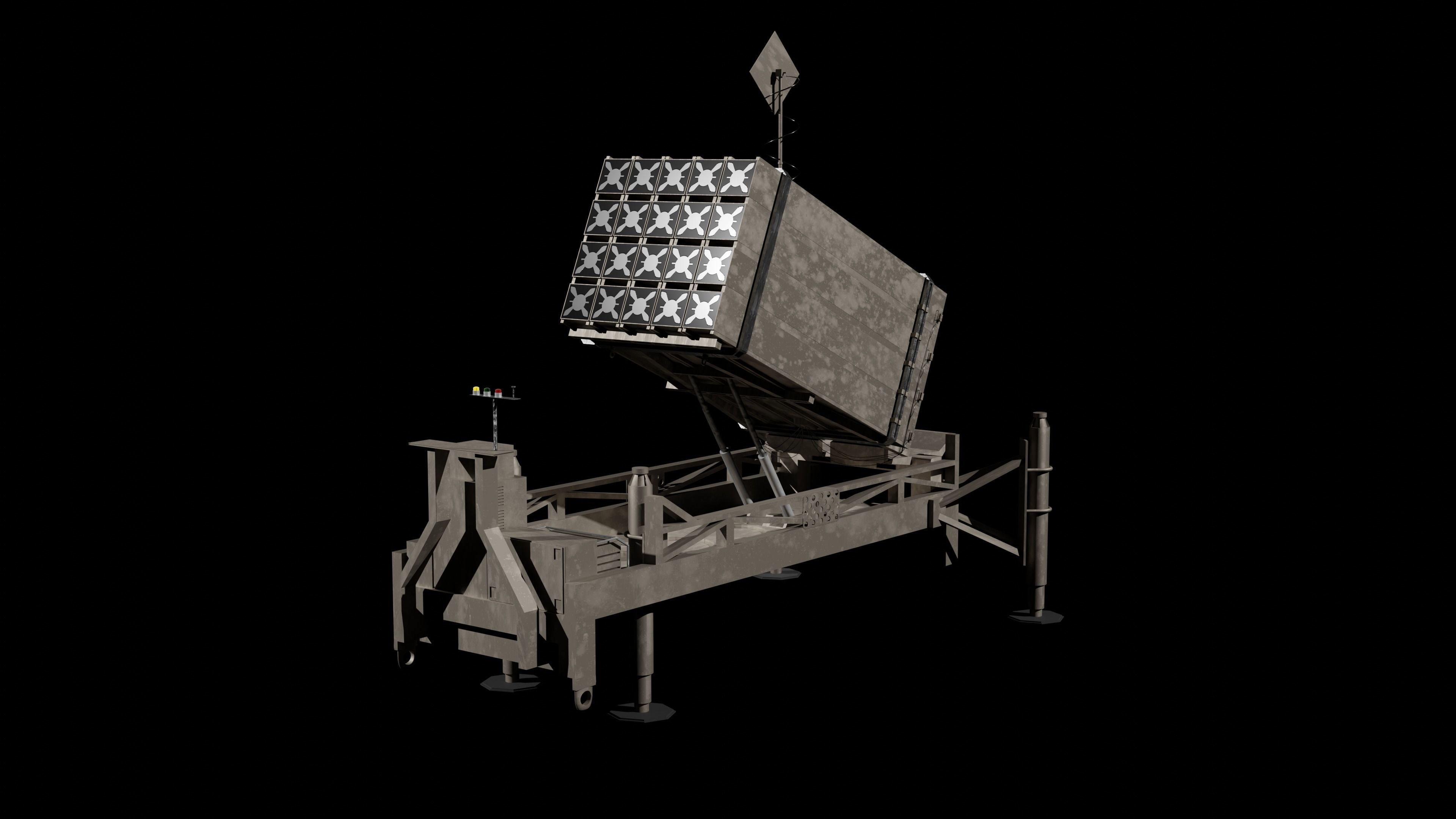
The U.S. Army has announced the launch of the first sensor from the Iron Dome missile defense system, a project aimed at enhancing the ability to detect ballistic missiles and drones. This step represents a qualitative leap in the United States' efforts to develop advanced defense systems, transitioning from the idea phase to actual implementation.
This initiative comes in light of increasing security threats faced by the United States and its allies, particularly with rising tensions in multiple regions around the world. This system is part of a broader strategy to enhance air defenses, reflecting the United States' commitment to protecting its territory and interests.
Event Details
The first sensor was deployed as part of the Iron Dome project, designed to provide accurate and effective monitoring of aerial threats. The system aims to improve the ability to detect and identify missiles and drones before they reach their targets. This system has been developed in collaboration with advanced technology companies, ensuring the use of the latest technologies in the field of defense.
This project is part of broader efforts to enhance cooperation between the U.S. Army and private companies, integrating modern technological innovations into defense systems. It is expected that this system will contribute to improving the national security level of the United States and enhance the ability to deal with increasing threats.
Background & Context
Historically, the United States has faced numerous challenges in the field of air defense, especially after the terrorist attacks on September 11, 2001. Since then, efforts have been intensified to develop advanced defense systems, including missile detection systems. The Iron Dome is part of these efforts, designed to counter the evolving threats facing the country.
Rapid technological advancements in drones and ballistic missiles have increased the need for more effective defense systems. These challenges have led to significant investments in research and development, reflecting the importance of this sector in enhancing national security.
Impact & Consequences
This step is seen as a boost to U.S. air defense capabilities, which may affect the military balance in the region. This initiative is expected to lead to increased investments in the defense sector, contributing to the development of new technologies and improving security levels.
Additionally, this step may lead to changes in the strategies of other countries, as competing nations may seek to develop similar systems to enhance their defense capabilities. Thus, the Iron Dome could contribute to altering the global security landscape.
Regional Significance
Amid rising tensions in the Arab region, these developments may impact relations between countries. The enhancement of U.S. defense capabilities may prompt some nations to reassess their security strategies. This step could also lead to increased cooperation between the United States and its allies in the region, bolstering efforts to combat common threats.
In conclusion, the Iron Dome system represents a significant step in strengthening U.S. air defenses, reflecting the United States' commitment to addressing security challenges. As global tensions rise, the question remains about how these developments will impact regional and international security.