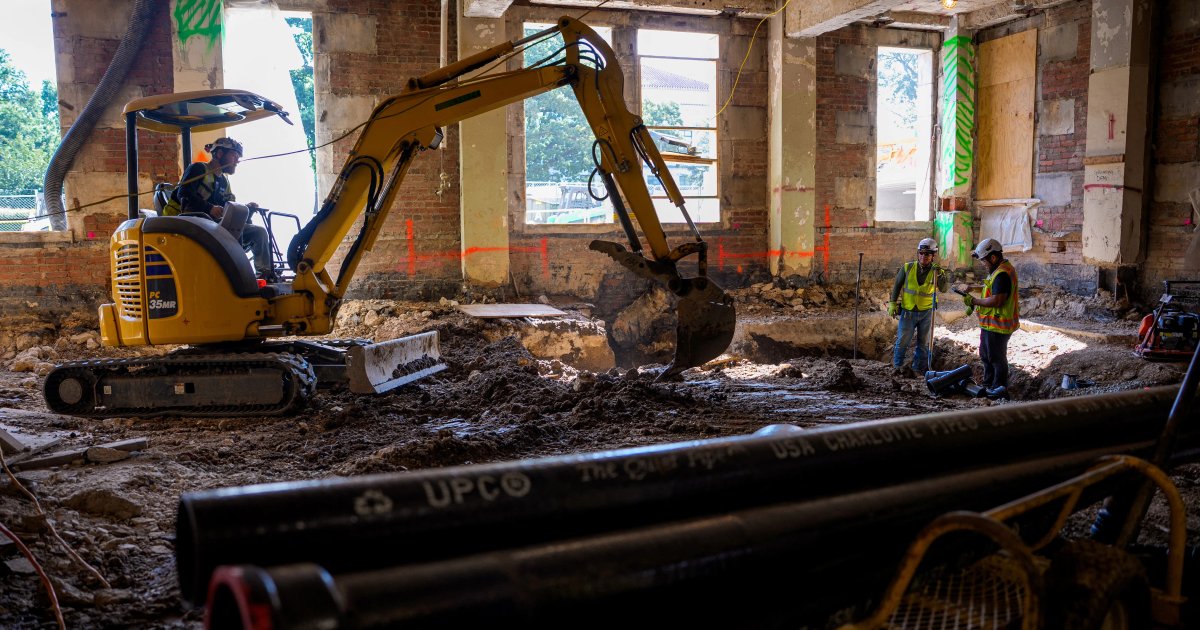
A US court has rejected the Justice Department's request to reopen its investigation into cost overruns related to federal reserve building renovations, raising questions about financial transparency in government institutions. This decision comes at a sensitive time when many observers are seeking to understand how public funds are managed in the United States.
This case is part of a broader investigation into how public funds are spent on renovation projects, where significant cost overruns have been revealed. The judges indicated that previous investigations did not provide sufficient evidence to support the continuation of the inquiry.
Details of the Ruling
In a recent ruling, the court confirmed that the Justice Department failed to provide enough evidence to reopen the investigation into cost overruns. This decision means that the investigation, which began in previous years, has been definitively closed, raising concerns among some lawmakers and citizens about how public funds are managed.
Cost overruns in renovation projects are not new in the American landscape, with many similar cases having been documented in the past. However, this ruling may open the door to further criticism regarding how the Federal Reserve manages its projects.
Background & Context
Historically, there have been numerous cases related to cost overruns in government projects, leading to repeated calls for transparency and accountability. In recent years, pressure has increased on the US government to improve public fund management, especially amid recurring economic crises.
This case is part of a series of investigations focusing on how public funds are spent, as lawmakers seek to ensure that money is used effectively. This has raised widespread concern among citizens who wish to see improvements in how the government manages its projects.
Impact & Consequences
This ruling may affect how the government handles future projects, potentially leading to increased scrutiny and oversight from lawmakers and citizens. It could also result in changes to policies related to transparency and accountability in government spending.
If the Justice Department appeals this decision, the matter could reach the Supreme Court, which may open the floor for further discussions about the government's rights to investigate cost overruns. This could spark widespread debate about transparency in government and how public funds are managed.
Regional Significance
Although this case pertains to the United States, there are lessons that Arab countries can learn. The issue of transparency and accountability in government spending is a vital concern in many Arab nations, where citizens seek improvements in the management of public funds.
This case could serve as an example of how judicial decisions can impact government transparency, potentially encouraging Arab countries to enhance their policies regarding transparency and accountability.
In conclusion, the US court's decision regarding the Justice Department's investigation into renovation cost overruns serves as a reminder of the importance of transparency and accountability in managing public funds. As discussions around this issue continue, it is crucial for governments worldwide, including those in Arab countries, to remain committed to improving public fund management and fostering trust among citizens.