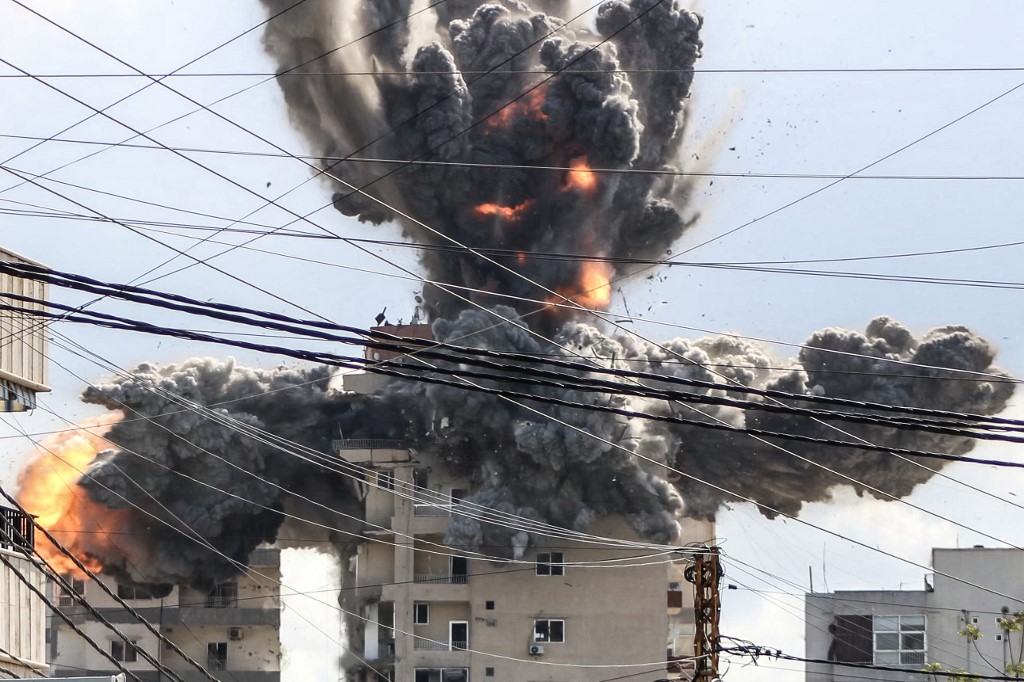
In a striking statement, U.S. Secretary of War Pete Hagisth announced a decisive military victory against Iran during a press conference held on Wednesday. Hagisth confirmed that this victory resulted from U.S.-Israeli attacks, which he characterized as historic and devastating to Iranian military forces.
Hagisth noted that President Donald Trump played a significant role in shaping this historic event, stating, "Trump made history, and Iran was begging for this ceasefire, and we all know that." These remarks reflect the high confidence felt by U.S. officials following recent military operations.
Details of the Event
During the conference, Hagisth was accompanied by the Chairman of the Joint Chiefs of Staff, General Dan Kain, who emphasized the importance of cooperation between the United States and Israel in confronting Iranian threats. He explained that the military operations carried out were aimed at significantly undermining Iranian military capabilities, contributing to this victory.
General Kain also pointed out that the operations were not merely reactive but were part of a long-term strategy aimed at ensuring U.S. national security and protecting American allies in the region.
Background & Context
Historically, U.S.-Iranian relations have seen increasing tensions since the Iranian Revolution in 1979. These tensions escalated particularly after the U.S. withdrawal from the Iranian nuclear deal in 2018, leading to severe economic sanctions on Tehran. In recent years, there have been several military confrontations between U.S. and Iranian forces in the region, heightening the conflict.
Iran is considered one of the major regional powers in the Middle East, wielding significant influence in several countries such as Iraq, Syria, and Lebanon. Therefore, any U.S. military actions against it could greatly impact the regional balance of power.
Impact & Consequences
Hagisth's statements carry significant implications for U.S. policy in the Middle East. The declaration of victory may bolster Trump's domestic standing, especially with the presidential elections approaching. Additionally, this victory could be seen as a strong message to Iran and other parties in the region about the power of the United States and its allies.
However, this escalation may provoke reactions from Iran, which could seek to enhance its military capabilities or take retaliatory actions. The rising tensions could lead to an escalation of the conflict, threatening stability across the entire region.
Regional Significance
Considering the situation in the region, the U.S. victory over Iran may directly affect Arab countries, particularly those cooperating with the United States. Countries like Saudi Arabia and the UAE may view this victory as an opportunity to strengthen their alliances with Washington against Iranian threats.
Nevertheless, these countries must be cautious of potential Iranian responses, which could include escalating military activities in the region, leading to further tensions and conflicts.
In conclusion, the question remains as to how Iran will respond to this announcement and whether it will take new steps in its regional policy. Upcoming events may determine the future trajectory of U.S.-Iranian relations.