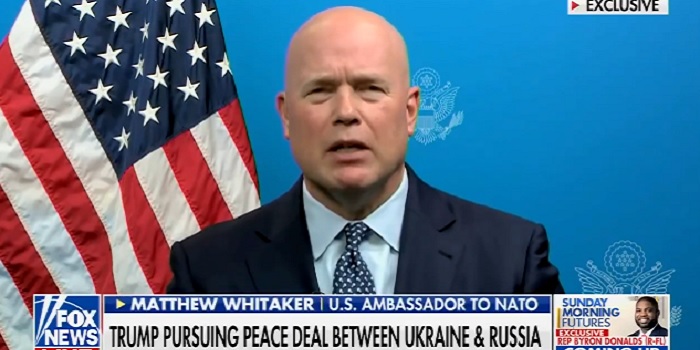
U.S. Ambassador to NATO, Matthew Whitaker, has urged member states to provide clarifications on how the alliance can continue to deliver benefits to the United States. This statement was made during an interview with Fox News, where he emphasized that the U.S. President will decide the future of the relationship with NATO based on these clarifications.
Whitaker pointed out that the time has come for NATO allies to demonstrate how they can enhance American support, stressing the importance of providing clear justifications regarding the benefits of the alliance. He also noted that there are differences in approach between the United States and European countries, with Washington tending to take direct action while European nations prefer dialogue and discussion.
Details of the Upcoming Meeting
During his anticipated visit to Washington, Whitaker, along with NATO Secretary General Jens Stoltenberg, will meet with U.S. President Donald Trump. This visit comes at a sensitive time, as Trump has previously expressed his willingness to consider the possibility of the United States withdrawing from NATO, following criticism of the alliance for not providing sufficient support for military operations against Iran.
Trump described NATO's stance as a "major mistake," indicating that the lack of support from the alliance for military operations reflects an imbalance in the relationship between the United States and member states. He confirmed that this position would be a test of NATO's support for the United States, and that Washington feels disappointed with the current responses.
Background & Context
NATO was established in 1949 as a military alliance aimed at enhancing collective security among member states in the face of external threats. Over time, the alliance has faced new challenges, including tensions with Russia and terrorist threats. However, the relationship between the United States and European countries within NATO has experienced fluctuations, particularly during the Trump administration, which has adopted a more hardline approach toward allies.
In recent years, pressure has increased on NATO member states to boost their defense spending, sparking widespread debate over allies' commitments to the United States. Many observers have noted that this pressure could lead to divisions within the alliance, threatening its stability.
Impact & Consequences
If the United States decides to withdraw from NATO, it could lead to radical changes in the global security system. A U.S. withdrawal from the alliance could weaken NATO's ability to address security threats and bolster Russia's position in the region. Additionally, this withdrawal could increase tensions among European nations, which may find themselves compelled to enhance their defense capabilities individually.
Furthermore, a U.S. exit from NATO could raise questions about the future of American relations with its traditional allies, potentially affecting regional and international stability. It could also open the door for other powers, such as China, to enhance their influence on the international stage.
Regional Significance
Amid rising tensions between the United States and Iran, the future of NATO may have direct implications for security in the Arab region. The absence of U.S. support from NATO could weaken Arab nations' ability to confront Iranian threats, potentially leading to an escalation of conflicts in the region.
Any changes in military alliances could also impact Arab countries' strategies in addressing security challenges, necessitating a reassessment of their relationships with major powers.