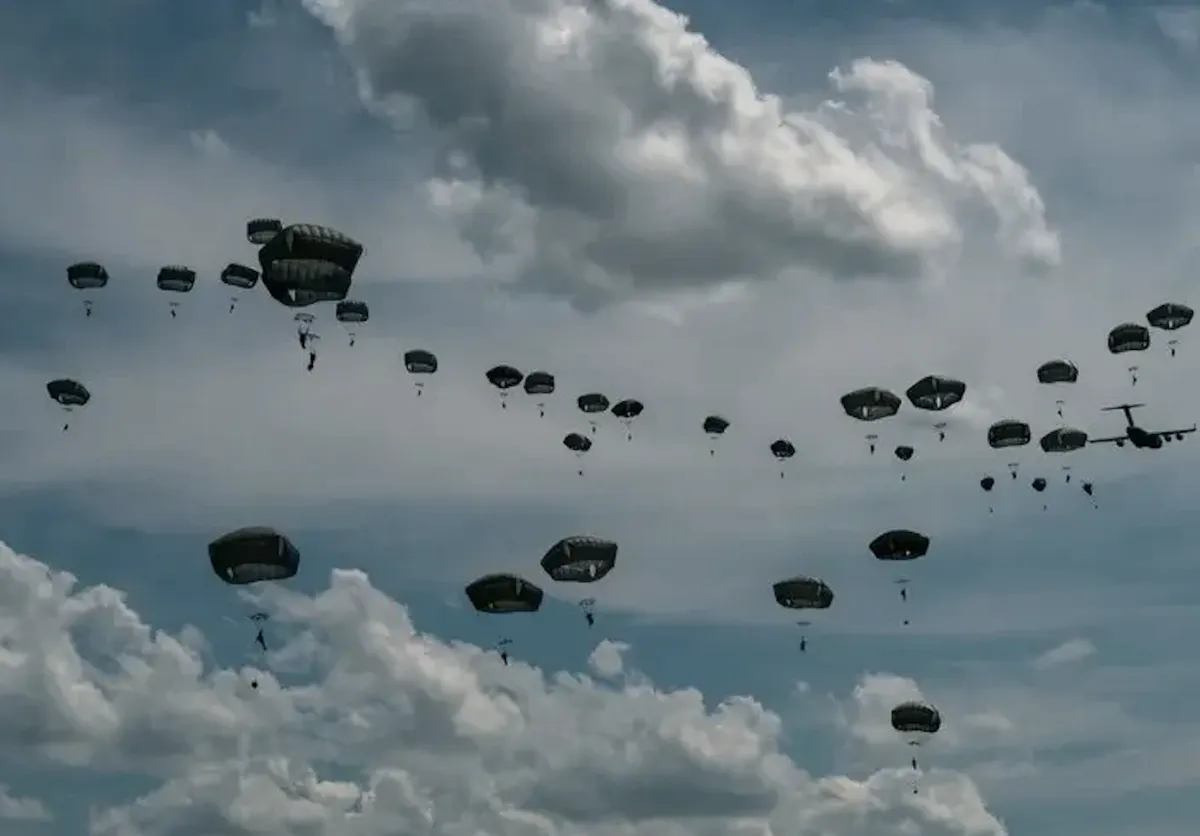
The U.S. Department of Defense (Pentagon) is preparing to send thousands of soldiers from the 82nd Airborne Division, one of its elite units, to the Middle East, increasing the scale of U.S. military reinforcements in the region. This step comes at a time when President Donald Trump's administration is seeking to engage in talks with Iran, raising questions about Washington's intentions in handling the escalating tensions.
Informed sources told Reuters that the Pentagon plans to deploy between 3,000 and 4,000 troops, although officials have not yet specified the exact location or timing of the arrival of the forces. The current soldiers are stationed at Fort Bragg in North Carolina, and the U.S. Army has referred questions regarding the reinforcements to the White House, which confirmed that all announcements will be made by the Pentagon.
Details of the Deployment
Earlier, Reuters reported that the Trump administration was considering deploying thousands of additional U.S. troops, a move that could include placing forces within Iranian territory. This escalation follows Trump's postponement of threats to bomb Iranian power stations, indicating that talks with Iran were "productive," despite Tehran denying any direct discussions with Washington.
These developments occur amid increasing U.S. and Israeli military operations against Iran, with the United States having attacked 9,000 targets within Iran since the commencement of military operations on February 28. According to a U.S. official, 13 American soldiers have been killed so far in this conflict, while 290 others have been injured.
Background & Context
Historically, U.S.-Iranian relations have seen increasing tensions, especially following the U.S. withdrawal from the nuclear agreement in 2018. Since then, Washington has imposed stringent economic sanctions on Tehran, escalating tensions in the region. The 82nd Airborne Division, specialized in airborne operations, is capable of deploying within 18 hours of receiving orders, reflecting the U.S. readiness to escalate its military presence in the area.
In a related context, opinion polls have shown a decline in American public support for military strikes against Iran, with only 35% of Americans supporting such actions, while 61% expressed their opposition. This decline reflects growing concerns among American citizens about engaging in new conflicts in the Middle East.
Impact & Consequences
The deployment of additional U.S. forces to the Middle East may intensify the conflict and affect regional stability. This escalation could provoke reactions from Iran, which may view this move as a direct threat to its national security. Furthermore, any use of U.S. ground forces could pose significant political risks for Trump, especially with the upcoming presidential elections.
Moreover, enhancing the U.S. military presence in the region could impact global oil markets, as much of the global economy relies on stability in the area. Any escalation in the conflict could lead to rising oil prices, affecting the global economy.
Regional Significance
Arab countries are directly affected by the tensions between the United States and Iran, as these nations are part of the regional conflict. Military escalation could increase tensions in countries like Iraq and Syria, where both U.S. and Iranian forces are present. Additionally, any escalation could impact peace efforts in the region and exacerbate existing conflicts.
In conclusion, the situation in the Middle East remains complex, with military and political interests intertwining. The enhancement of the U.S. military presence could have far-reaching consequences for regional stability, necessitating careful monitoring by the international community.