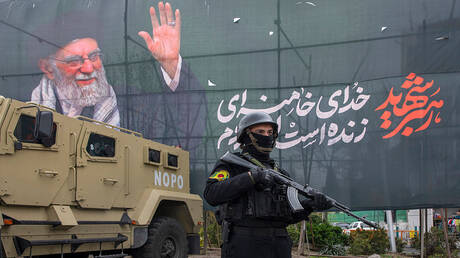
Retired U.S. General Jack Keane predicts that a potential war with Iran could conclude in less than 60 days, provided the U.S. maintains its current military strategy against Tehran. This forecast comes amid escalating tensions between Washington and Tehran, raising international concerns about the implications of any potential conflict.
Concerns are growing that any military escalation could lead to severe consequences for regional and international security. General Keane, who previously served as Vice Chairman of the Joint Chiefs of Staff, noted that ongoing military pressure could prompt Iran to reassess its strategies.
Details of the Situation
Keane's statements coincide with an increase in U.S. airstrikes on Iranian sites, where he believes these military operations could yield swift results if they continue at the current pace. He considers this strategy potentially effective in achieving U.S. objectives in the region, raising questions about Iran's readiness to respond to such pressures.
At the same time, Iran continues to bolster its military capabilities, complicating the situation further. Tehran has demonstrated resilience in dealing with threats, making it difficult to predict the developments of the conflict.
Background & Context
Historically, U.S.-Iranian relations have seen increasing tensions since the Islamic Revolution in 1979. Economic sanctions and military blockades have exacerbated the situation, leading Iran to adopt more aggressive policies. This historical backdrop reflects the ongoing struggle for influence in the region, which intersects with the interests of other countries such as Russia and China.
Recent events, including attacks on oil facilities in the Gulf, have intensified tensions, prompting the U.S. to reinforce its military presence in the region. These dynamics make it challenging to predict the trajectory of future events.
Impact & Consequences
If General Keane's prediction materializes, it could lead to radical shifts in the balance of power in the region. A swift end to the conflict could enhance the U.S. position, but it may leave negative repercussions on regional stability.
Any military escalation could result in severe humanitarian consequences, significantly affecting civilians. Moreover, any military intervention could provoke reactions from other countries, further complicating the situation.
Regional Significance
Arab nations neighboring Iran find themselves in a sensitive position, as any war could impact their stability and security. The region may witness an influx of refugees and increased sectarian tensions, complicating security conditions in countries like Iraq, Syria, and Lebanon.
Ultimately, the question remains open regarding how the international community will address these tensions. The current situation requires effective diplomacy to avoid military escalation and achieve long-term stability in the region.