In a new development regarding U.S.-Iranian relations, media reports indicate that the United States has presented a 15-point proposal to Iran aimed at ending the ongoing war. This proposal includes strict limitations on Tehran's nuclear program, as well as the reopening of the Strait of Hormuz, a vital artery for global shipping.
According to the New York Times, U.S. officials who requested anonymity confirmed that the plan was relayed to Iranian authorities via Pakistan, which offered to mediate in this matter. The proposal suggests halting uranium enrichment activities in Iran and delivering enriched materials that could be used to manufacture a nuclear bomb, as reported by Israel's Channel 12.
Details of the Proposal
Reports indicate that the U.S. proposal also includes guarantees for freedom of navigation in the Strait of Hormuz, through which approximately 20% of global oil supplies pass. This comes after Iranian actions led to a sharp rise in energy prices worldwide. Conversely, the proposal stipulates the lifting of all sanctions imposed on Iran and providing support for the development of the civilian nuclear energy program in Bushehr, which Tehran has accused Israel of targeting recently.
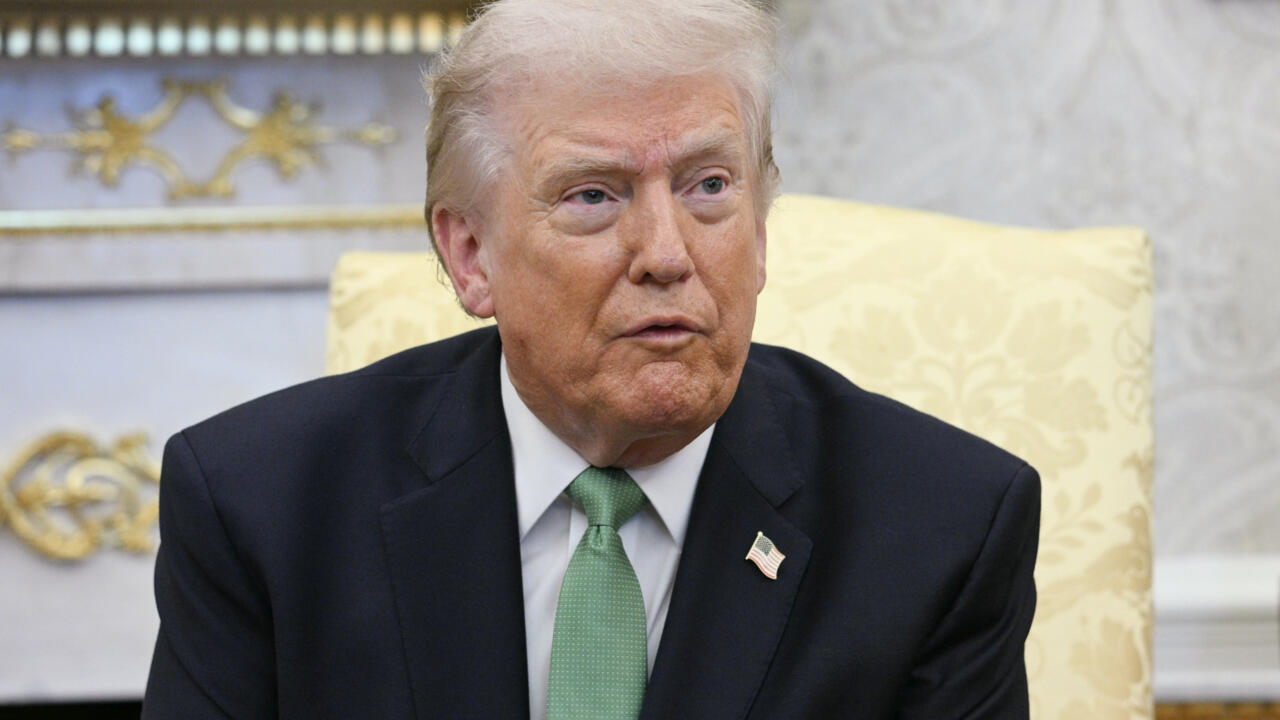
So far, there has been no official comment from the White House or the U.S. State Department regarding these reports. However, President Trump expressed optimism about the diplomatic path with Iran, suggesting that the military pressures faced by Tehran since February 28 may contribute to pushing it towards negotiations.
Context and Background
These developments come at a sensitive time, as tensions between the United States and Iran have escalated significantly in recent years, especially following Washington's withdrawal from the Iranian nuclear deal in 2018. Since then, the United States has imposed stringent economic sanctions on Iran, severely impacting its economy.
In contrast, Iran is seeking to enhance its military and nuclear capabilities, complicating the situation further. The region has witnessed notable military escalation, with the United States and Israel conducting military operations against Iranian targets, leading to heightened conflict.
Impact and Consequences
If an agreement is reached between the United States and Iran, it could lead to a de-escalation of tensions in the region and restore stability to global energy markets. However, there are concerns that these negotiations may merely be a political maneuver by Trump to bolster his position ahead of the presidential elections.
On the other hand, Tehran's denial of any direct or indirect negotiations reflects the complexity of relations between the two parties and indicates a lack of mutual trust. Furthermore, statements from Iranian officials suggest an internal division on how to deal with U.S. pressures, with some fearing that negotiations could be a trap.
Impact on the Arab Region
These developments significantly affect the Arab region, where Iran is considered a key player in numerous regional conflicts. Any agreement between Washington and Tehran could alter the dynamics of conflict in Syria, Iraq, and Lebanon, potentially opening the door for broader dialogue between Arab states and Iran.
In conclusion, the question remains whether these negotiations will yield tangible results or remain mere media talk. Observers in the region are looking for more details regarding this U.S. proposal and its impact on regional security and stability.