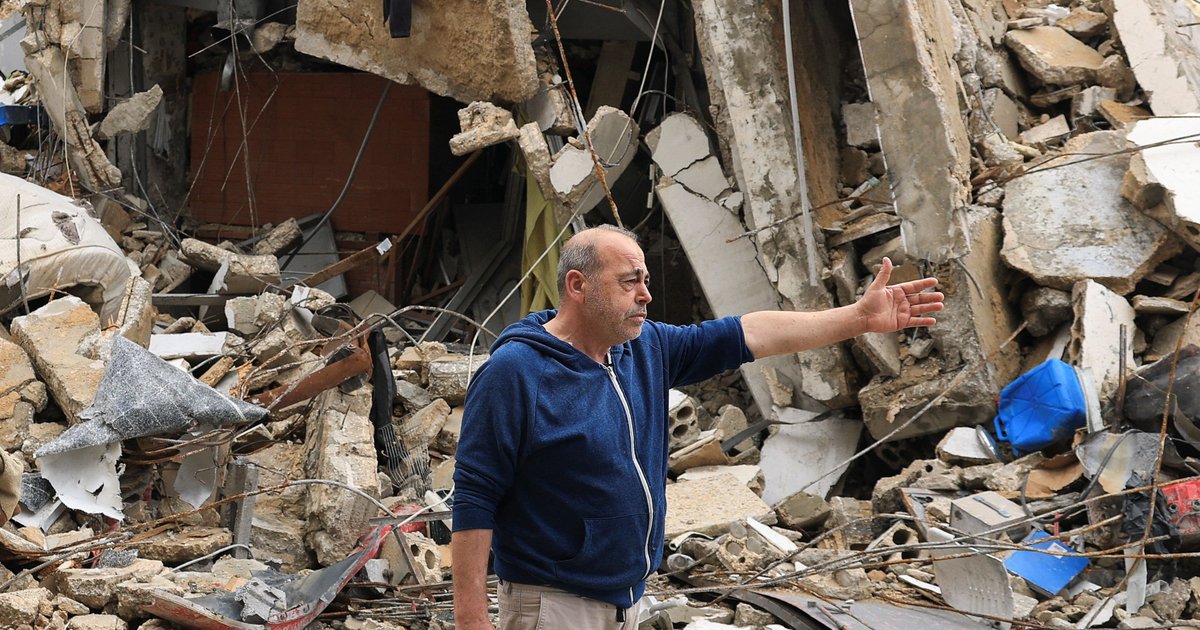
In a serious escalation of events in the region, a US-Israeli airstrike has led to the deaths of four people and injuries to seven others in a residential area east of Tehran. The attack, which occurred early this morning, targeted several residential units, resulting in the complete destruction of three of them.
According to the Iranian Mehr news agency, rescue teams are still searching for survivors at the site of the incident. Reports indicate that approximately 50 other buildings sustained severe damage due to the explosions, complicating rescue efforts.
Details of the Incident
This airstrike comes at a sensitive time, as earlier reports indicated a separate strike in the Baharestan area of Tehran that resulted in the deaths of 13 individuals. These events point to rising tensions in the Iranian capital, which is grappling with multiple crises on political and economic fronts.
These attacks coincide with escalating tensions between Iran and the United States, as both nations exchange accusations regarding support for armed groups in the region. The recent strikes reflect an escalation in military operations that could exacerbate the situation in the Middle East.
Background & Context
Historically, relations between Iran and the United States have seen increasing tensions since the Islamic Revolution in 1979. These tensions intensified with the US withdrawal from the Iranian nuclear deal in 2018, leading to the imposition of severe economic sanctions on Tehran.
In recent years, Israel has ramped up its military operations against Iranian targets in Syria, reflecting its concerns over Iran's growing influence in the region. The attacks on Tehran may be part of a broader strategy aimed at undermining Iran's ability to support armed groups in Iraq, Syria, and Lebanon.
Impact & Consequences
The recent attacks could lead to greater military escalation in the region, as Iran may retaliate against these strikes with counter-operations against US forces or their allies in the area. This escalation threatens regional security and increases instability in the Middle East.
Moreover, these events may impact relations between Arab states and Iran, as Arab nations closely monitor developments in Tehran. Any military escalation could have negative repercussions on regional security, necessitating urgent diplomatic moves to avoid further escalation.
Regional Significance
The events in Tehran are particularly significant for Arab countries, as any military escalation could affect the stability of the entire region. Arab nations, especially those neighboring Iran, may find themselves in a difficult position if tensions rise to higher levels.
Additionally, the humanitarian crises resulting from such attacks could lead to an influx of refugees into neighboring countries, increasing the burdens on these nations. It is crucial for Arab states to remain vigilant and work towards enhancing regional cooperation to address the growing security challenges.