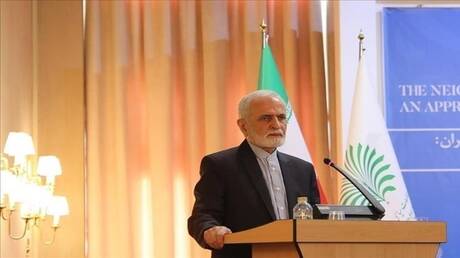
Reports from Iranian media indicate that Kamal Kharrazi, the head of Iran's Strategic Council on Foreign Relations, suffered severe injuries due to a coordinated attack between the United States and Israel, which also resulted in the death of his wife. The attack targeted his residence in the Iranian capital, Tehran, raising significant reactions in political and media circles.
This incident occurs at a sensitive time when Iranian-American relations are experiencing increasing tension, as crises in the region escalate and conflicts between major powers intensify. This attack has raised questions about the true objectives behind it and whether it represents a shift in the U.S. strategy towards Iran.
Details of the Incident
According to reports, the attack occurred late at night, targeting the home of Kamal Kharrazi, who is considered one of the most prominent political figures in Iran. The attack resulted in serious injuries to him, while his wife was killed in the incident. No group has officially claimed responsibility for the attack, but reports suggest that the operations were coordinated between the United States and Israel.
Kamal Kharrazi is a pivotal figure in Iranian politics, having held several prominent government positions, including Minister of Foreign Affairs. He is known for his firm stances against Western policies, complicating the situation following this attack.
Background & Context
Historically, Iranian-American relations have been marked by ongoing tensions since the Islamic Revolution in 1979. These tensions have escalated in recent years, particularly after the United States withdrew from the Iranian nuclear deal in 2018. Additionally, Israeli military operations against Iranian targets in Syria have heightened the conflict, suggesting that this attack may be part of a broader strategy aimed at undermining Iranian influence in the region.
In this context, Kamal Kharrazi is regarded as one of the foremost defenders of Iranian policy in the face of Western pressures, making his targeting a symbolic step reflecting the rising tensions between the involved parties.
Impact & Consequences
The attack on Kamal Kharrazi could lead to greater escalation in tensions between Iran and the United States, as Iran may respond to this attack with retaliatory measures. Furthermore, this incident could bolster the position of hardliners in Iran, who advocate for taking more decisive actions against the United States and Israel.
Moreover, this attack may impact ongoing nuclear negotiations, as any progress in dialogue between Iran and Western countries could be complicated. The escalation of violence may hinder efforts aimed at achieving stability in the region and increase uncertainty in global markets.
Regional Significance
Events in Iran have a direct impact on Arab countries, especially those that share borders or historical ties with Iran. The escalation of tensions may lead to increased sectarian divisions in the region and exacerbate instability in countries like Iraq, Syria, and Lebanon.
Arab nations may find themselves compelled to reevaluate their security and diplomatic strategies in light of these developments, potentially leading to new alliances or a reshaping of existing ones.
In conclusion, the attack on Kamal Kharrazi is a significant event reflecting the rising tensions in the region, indicating that political and military conflicts may continue to affect security and stability in the Middle East.