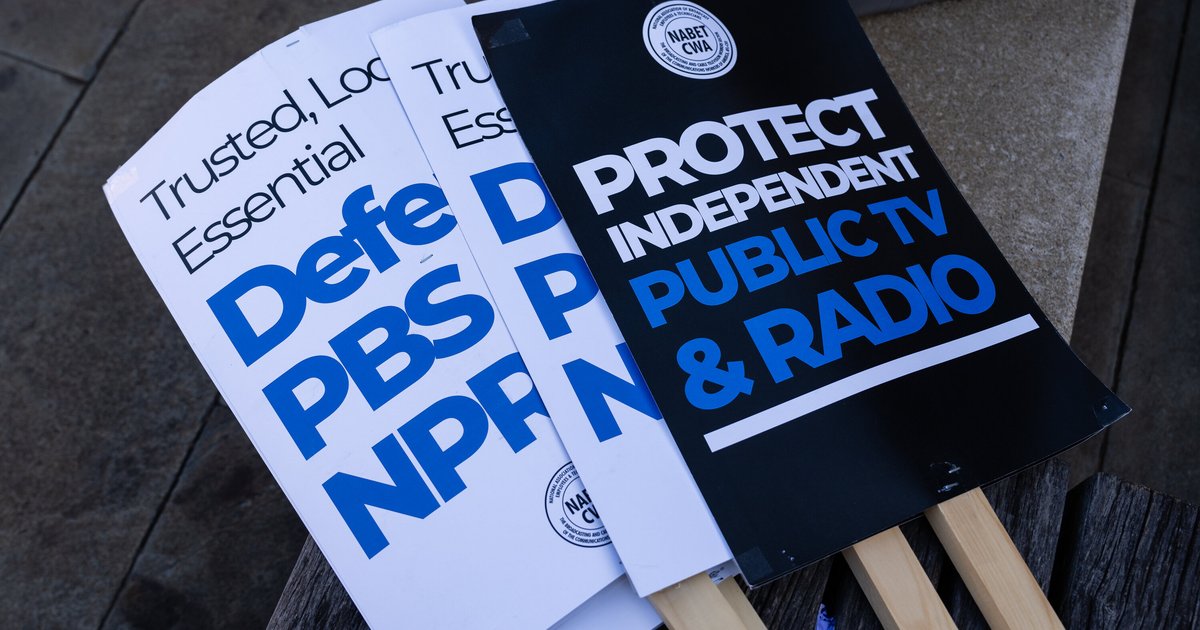
A U.S. judge has halted former President Donald Trump's decision aimed at ending federal funding for both National Public Radio (NPR) and Public Broadcasting Service (PBS). This ruling comes at a critical time as public media faces increasing financial pressures, raising concerns about the future of these institutions that provide diverse and important media content to the American public.
The judicial decision issued by the judge followed a lawsuit filed by a group of public media advocates, who argued that Trump's decision violated federal laws protecting the funding of these institutions. The judge noted that NPR and PBS play a vital role in delivering news and information to the public, especially during times of crisis.
Details of the Event
In 2020, Trump issued an executive order to end federal funding for NPR and PBS, claiming that these institutions tended to be biased against his administration. However, numerous studies have shown that these organizations have a strong reputation for providing accurate and unbiased news.
The judge who issued the ruling, whose name has not been disclosed, emphasized that NPR and PBS are not only important sources of news but also educational and cultural platforms that contribute to enhancing public awareness. He pointed out that ending funding would negatively impact these institutions' ability to provide high-quality content.
Background & Context
NPR was established in 1970, while PBS was created in 1969. Since then, these institutions have become an integral part of the American media landscape, offering a variety of educational and cultural programs. However, they face increasing financial challenges, particularly due to declining government support and rising competition from digital media.
In recent years, public media in the United States has seen a decline in funding, prompting them to seek alternative income sources, such as donations from individuals and corporations. Nevertheless, these efforts have not been sufficient to compensate for the shortfall in government funding, making Trump's decision to cut funding even more controversial.
Impact & Consequences
The judge's ruling could have significant implications for the future of NPR and PBS. The continuation of federal funding means that these institutions will be able to keep providing diverse and reliable media content. Additionally, this decision may encourage more government support for public media, helping to enhance its independence.
On the other hand, this ruling could lead to increased political pressure on public media, as some politicians may seek to cut funding or impose restrictions on content. This situation could raise concerns among many about press freedom and media independence.
Regional Significance
Although this news pertains to the United States, it has potential implications for the Arab region. Public media plays a vital role in promoting democracy and freedom of expression in many Arab countries. Supporting these institutions can contribute to improving media quality and enhancing communities' access to accurate information.
In conclusion, the future of public media in the United States hinges on political decisions and government trends. However, this judicial ruling represents a positive step towards protecting these institutions and ensuring their continuity in providing important media content to society.