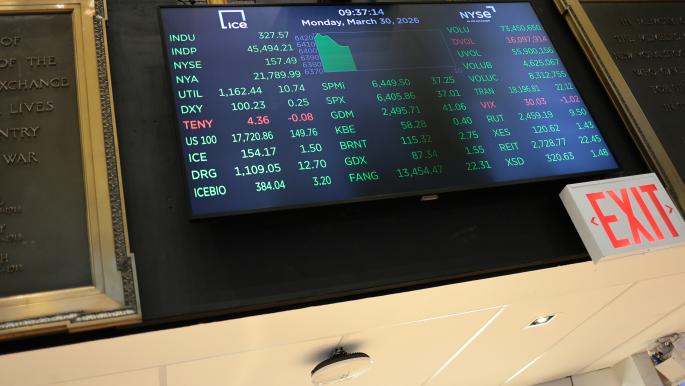
The U.S. junk bond market is experiencing a significant downturn, heading towards its worst quarterly performance since 2022. This negative performance comes at a time when the global economy is witnessing increasing volatility, raising concerns among investors about the sustainability of returns in this sector.
Junk bonds, also known as high-yield bonds, are an important indicator of risk appetite in financial markets. When these bonds decline, it signals a decrease in investor confidence regarding companies' ability to repay their debts, which could lead to broader implications for the economy as a whole.
Market Performance Details
Reports indicate that the U.S. junk bond market has seen a notable drop in prices, with the value of these bonds significantly decreasing over the last quarter. This decline reflects rising interest rates, which negatively impact the ability of low-rated companies to borrow. Additionally, the increased cost of borrowing may deter investors from taking risks in this sector.
It is worth noting that these bonds had experienced a remarkable recovery in previous years, but recent economic changes have led to a reversal of these trends. As inflationary pressures mount, investors have become more cautious in their decision-making, directly affecting the performance of junk bonds.
Background & Context
Historically, junk bonds are considered high-yield investment instruments, but they also carry greater risks. In recent years, these bonds saw a significant rebound, particularly following the recovery from the COVID-19 pandemic. However, changes in monetary policies and rising interest rates have led to a downturn in this market.
The junk bond market is heavily influenced by global economic events, including geopolitical tensions and fluctuations in energy prices. These factors play a crucial role in shaping investor expectations and sentiments, which in turn reflects on bond performance.
Impact & Consequences
The decline of the junk bond market could have negative repercussions for the U.S. economy, as it may lead to reduced investments in low-rated companies. This downturn could also affect these companies' ability to grow and expand, potentially resulting in job losses and increased unemployment rates.
Moreover, a decline in confidence in junk bonds may lead to greater volatility in financial markets, increasing economic instability. Investors who had relied on these bonds as part of their investment strategies may need to reassess their risks and outlooks.
Regional Significance
Although the U.S. junk bond market may seem distant from the Arab region, its effects could reach financial markets in the Middle East. Arab investors who invest in U.S. bonds may be directly affected by fluctuations in this market, impacting their investments and profits.
Furthermore, a decline in confidence in junk bonds may increase pressures on financial markets in the region, as investors may avoid high-risk investments, affecting the flow of investments into new projects.
In conclusion, the downturn in the U.S. junk bond market reflects a significant shift in investor sentiment and indicates economic challenges that could impact global financial markets, including the Arab region.