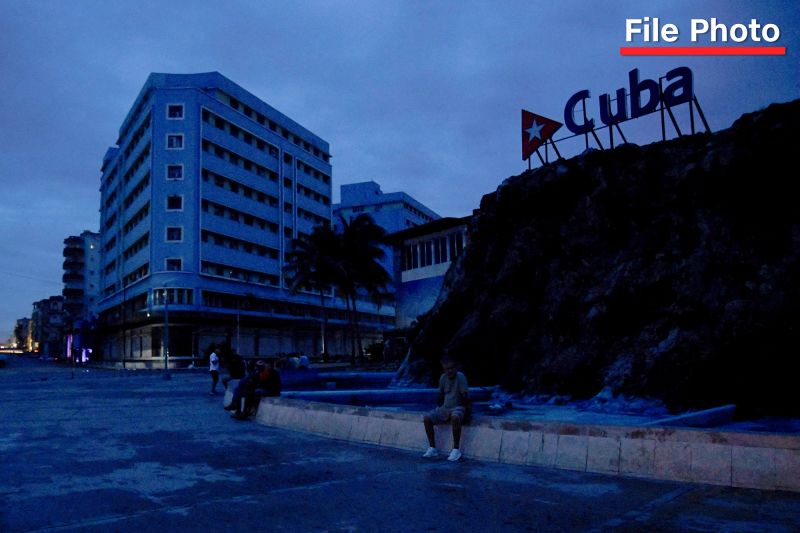
Two U.S. lawmakers condemned what they described as an 'economic bombardment' faced by Cuba due to the ongoing blockade during their visit to the island. The visit, which comes at a sensitive time, sheds light on the devastating effects of the blockade on the lives of Cuban citizens, as the economy suffers from a severe shortage of essential resources.
The lawmakers, representing the Democratic Party, emphasized during a press conference that the U.S. blockade hinders economic development and negatively impacts the lives of Cubans. They pointed out that the blockade is not only a political tool but also has serious humanitarian consequences for the Cuban people.
Event Details
During their visit, the lawmakers met with government officials and representatives from civil society in Cuba, discussing issues related to the economy, health, and education. The lawmakers expressed their support for lifting the blockade, stressing the importance of enhancing relations between the United States and Cuba.
They also noted that the blockade obstructs Cuba's ability to obtain medicines and medical equipment, exacerbating the suffering of citizens, especially amid the current global health conditions. These statements come at a time when international pressure on the United States to end the blockade is increasing.
Background & Context
The U.S. blockade on Cuba began in 1960 as part of American foreign policy towards the island following the Cuban Revolution. Since then, Cuba has faced numerous economic and social crises as a result of this blockade. Over the years, the blockade has been tightened repeatedly, worsening the economic situation in the country.
In recent years, Cuba has attempted to improve its relations with the United States, particularly during the presidency of Barack Obama, which saw some easing of restrictions. However, the return to stricter policies under the administration of Donald Trump reverted the situation, increasing the suffering of the Cuban people.
Impact & Consequences
The impact of the blockade on Cuba extends beyond the economic realm, affecting all aspects of daily life for citizens. The shortage of food and medicines creates a real humanitarian crisis, prompting many Cubans to emigrate in search of a better life.
The U.S. lawmakers who visited Cuba represent a growing voice within the United States calling for a change in policy towards Cuba. This visit may open the door for more discussions regarding U.S.-Cuba relations and could lead to changes in American foreign policy in the future.
Regional Significance
Cuba serves as an example of how foreign policies can affect the lives of people. In the Arab world, many countries suffer from blockades or external pressures that impact their development and stability. Cuba's experience may inspire some Arab nations to consider how to address economic and political challenges.
In conclusion, the visit of U.S. lawmakers to Cuba and the accompanying statements reflect the importance of dialogue and understanding between nations. In a time of increasing international tensions, there remains hope that wisdom and rationality will prevail in international relations.