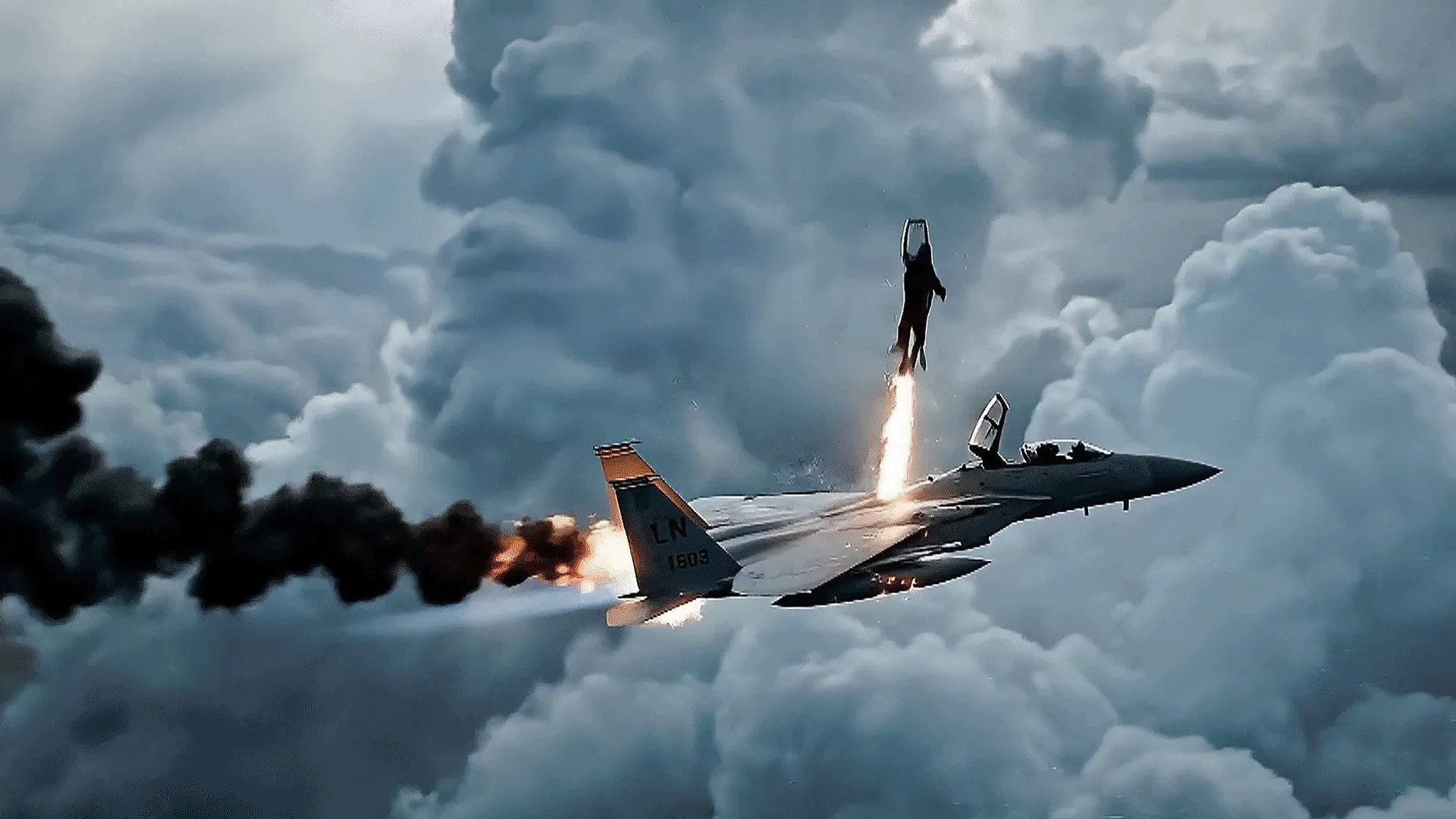
In a serious development during the sixth week of the Iranian-Israeli-American war, the U.S. lost two fighter jets and a Black Hawk helicopter while searching for missing F-15 pilots. These incidents reflect escalating tensions in the region and raise questions about U.S. military strategies in the face of increasing challenges.
The incidents highlight the significant risks faced by U.S. forces in the Middle East, where military operations are increasing and security situations are becoming more complex. Military sources confirmed that the two fighter jets were on a search and rescue mission, underscoring the importance of air operations in these critical circumstances.
Details of the Incident
According to reports, the two F-15 fighter jets were flying in the operational area when they encountered difficult weather conditions that led to their crash. Meanwhile, the Black Hawk helicopter was damaged while attempting to reach the crash site. Rescue teams were dispatched to the area to search for the missing pilots.
These incidents are part of an ongoing escalation in the conflict, with rising tensions between Iran and the United States, increasing the risks for U.S. forces in the region. Military officials indicated that these incidents could affect future operational plans.
Background & Context
Historically, relations between Iran and the United States have seen increasing tensions since the Iranian Revolution in 1979. Since then, relations have deteriorated significantly, leading to economic and military sanctions against Iran. In recent years, these tensions have escalated further, especially after the U.S. withdrawal from the Iranian nuclear deal in 2018.
Under these circumstances, the region has become a theater for numerous military operations, as the United States seeks to bolster its military presence in the Middle East to counter Iranian threats. The past weeks have witnessed an escalation in military operations between both sides, increasing the risks for U.S. forces.
Impact & Consequences
These incidents serve as a wake-up call for the United States, indicating that military operations in the region may be more complex than previously anticipated. The loss of aircraft and helicopters could affect the morale of U.S. forces and increase political pressure on the U.S. administration.
Moreover, these incidents could lead to greater escalation in the conflict, as Iran may take retaliatory steps against U.S. forces in the region. The incidents could also impact U.S. relations with its allies in the region, who may feel concerned about the rising tensions.
Regional Significance
The Arab region is directly affected by the escalating tensions between Iran and the United States. Any military escalation could destabilize the Gulf Arab states, which heavily rely on U.S. security. Additionally, these incidents may impact peace efforts in the region, as divisions between Arab states and Iran could widen.
In conclusion, these incidents reflect the significant challenges faced by the United States in the Middle East and highlight the increasing risks that could affect security and stability in the region. The international community must closely monitor the situation and work to de-escalate tensions before matters worsen.