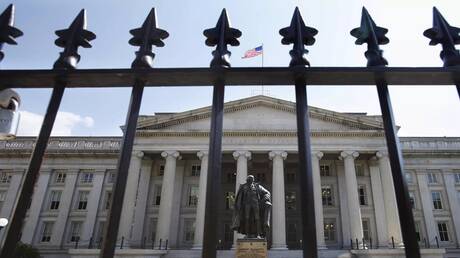
The White House announced that the U.S. military is fully prepared to thwart any potential Iranian attacks, following threats from the Iranian Revolutionary Guard to target American companies in the region starting April 1. These statements come at a time when tensions between the United States and Iran are escalating, raising concerns about regional stability.
In this context, U.S. officials confirmed that the military has taken proactive measures to ensure the protection of American interests in the region. They also indicated that any Iranian attack would face a swift and strong response from U.S. forces.
Details of the Threats
These Iranian threats come at a sensitive time, as pressures on Tehran from the international community are increasing due to its nuclear program and regional behavior. The Iranian Revolutionary Guard has indicated that American companies would be legitimate targets, further intensifying tensions in the Gulf region.
The White House clarified that the U.S. military has the capability to counter any threats and is working closely with its allies in the region to ensure security and stability. The U.S. military presence in the Gulf has also been reinforced, reflecting the United States' commitment to protecting its interests.
Background & Context
Historically, U.S.-Iranian relations have seen increasing tensions, especially after the United States withdrew from the nuclear agreement in 2018. Since then, Washington has imposed strict sanctions on Tehran, exacerbating economic and political crises in Iran.
Recent events, such as attacks on oil tankers in the Gulf, have heightened tensions. Reports indicate that Iran is using these threats as a means to pressure the United States and its allies, in an attempt to alleviate the sanctions imposed on it.
Impact & Consequences
If Iran follows through on its threats, it could lead to significant military escalation in the region, threatening regional security and affecting oil prices and global markets. Any escalation could draw the United States into open conflict with Iran, which both parties are seeking to avoid.
On the other hand, these tensions may strengthen alliances between Arab states and the United States, as Gulf countries seek to bolster their security in the face of Iranian threats. Additionally, these circumstances could impact relations between Iran and European countries, which are striving to maintain the nuclear agreement.
Regional Significance
Arab countries in the Gulf region are the most affected by U.S.-Iranian tensions, as any escalation could impact their stability and security. Some Gulf states have expressed concern over Iranian threats and have called for enhanced security cooperation with the United States.
These circumstances may also affect the Arab economy, as any military escalation could lead to rising oil prices, impacting the economies of oil-importing countries. At the same time, oil-exporting countries may benefit from higher prices, strengthening their economic position.
In conclusion, the situation in the region remains complex, as Iranian threats intertwine with American interests, necessitating a diplomatic solution that ensures security and stability for all.