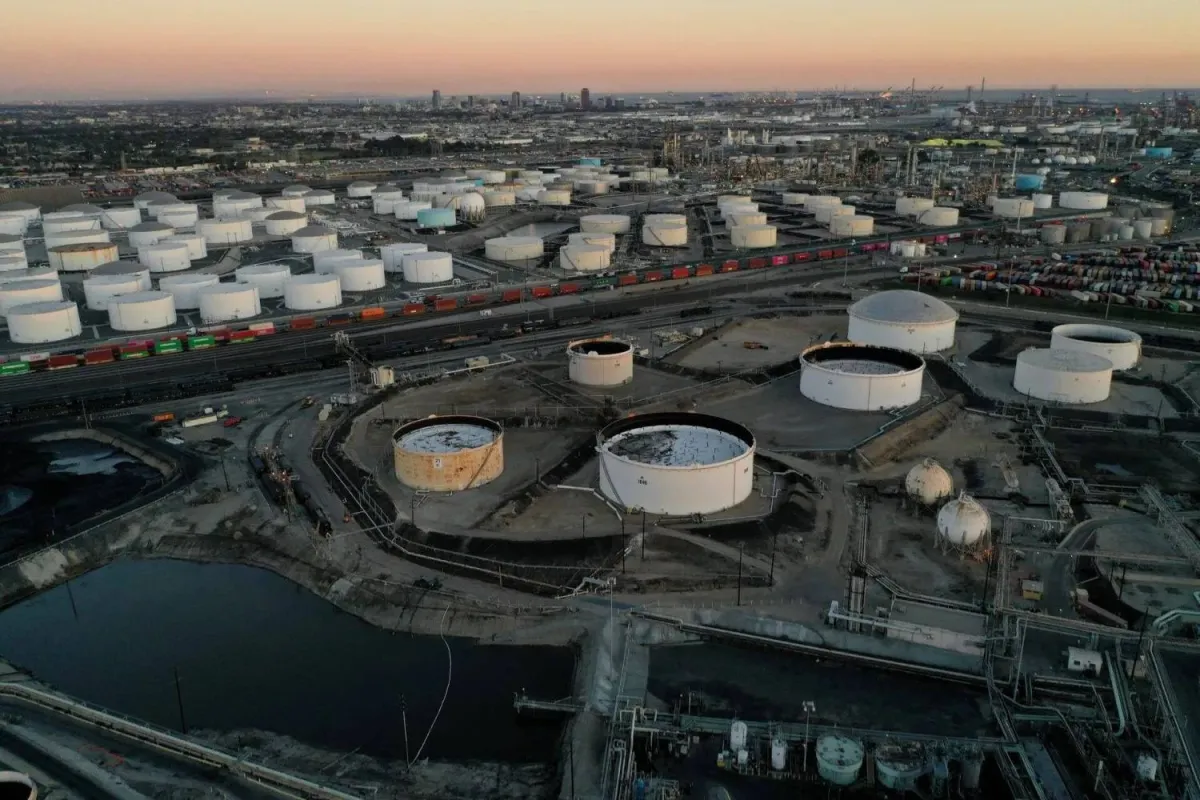
The U.S. Energy Information Administration announced on Wednesday that crude oil inventories in the United States rose to 464.7 million barrels during the week ending April 3, marking the highest level in three years. This increase of 3.1 million barrels exceeded analysts' expectations, which had predicted a rise of 701,000 barrels.
While crude oil inventories saw an increase, fuel inventories decreased due to rising global demand, reflecting the current market dynamics. The administration also reported a reduction in stocks from the Strategic Petroleum Reserve by 1.7 million barrels, bringing the total to 413.3 million barrels.
Event Details
In a related context, the United States announced in March plans to release 172 million barrels of oil from its reserves over a period of 120 days to curb rising prices due to geopolitical tensions, particularly the U.S.-Israeli conflict with Iran. Crude oil inventories at the Cushing hub in Oklahoma increased by 24,000 barrels, reaching their highest level since July 2024.
Despite the increase in inventories, oil futures reduced their previous losses, with Brent crude priced at $94.90 per barrel, while West Texas Intermediate crude fell to $95.45. Data also indicated a decrease in distillate stocks, which include diesel and heating oil, by 3.1 million barrels.
Background & Context
This increase in inventories is indicative of changes in demand and supply in the global market. Geopolitical tensions in the region have impacted oil prices, prompting the United States to take measures to stabilize the market. Additionally, fluctuations in oil prices have a direct impact on the global economy, making monitoring these changes essential.
The data also shows that exports of petroleum products rose by 170,000 barrels per day, reflecting increasing demand for these products. Furthermore, the net imports of crude oil into the United States decreased by 758,000 barrels per day, indicating a shift in market dynamics.
Impact & Consequences
These developments suggest that the oil market may experience further price volatility due to geopolitical tensions and rising demand. While the increase in inventories could lead to short-term price stability, it may negatively impact investments in the energy sector.
The United States is expected to continue closely monitoring the market, as any changes in prices could affect both the U.S. and global economies. Additionally, the reduction in stocks from the Strategic Petroleum Reserve could have implications for the U.S. ability to respond to future energy crises.
Regional Significance
These developments are particularly significant for Arab oil-producing countries, as any price changes could impact their economies. Furthermore, tensions in the region may increase geopolitical risks, potentially affecting market stability.
In light of these circumstances, Arab countries must be prepared to handle any market fluctuations and work on enhancing their investments in the energy sector to ensure sustainable economic growth.