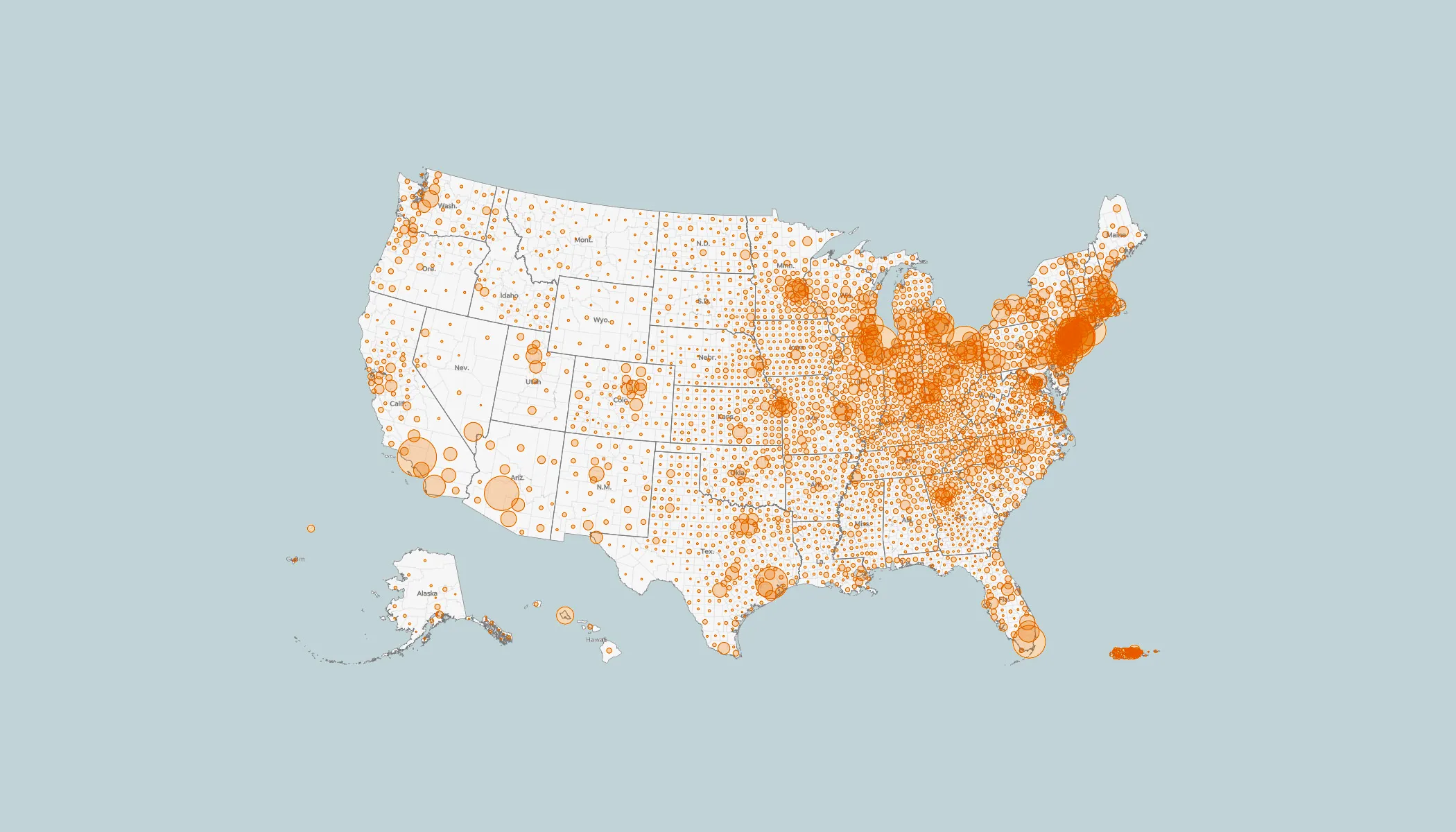
The health authorities in the United States have announced a significant increase in COVID-19 cases, reporting over 20,000 new cases in the past week. This rise comes as the country prepares to face a new wave of the virus, causing concern among citizens and health officials alike.
According to the Centers for Disease Control and Prevention (CDC), this increase follows a period of relative decline in infections, indicating that the virus still poses a major threat to public health. New cases have been reported in several states, reflecting the widespread transmission of the virus.
Details of the Situation
Data shows that the states experiencing the largest increase in cases include California, Texas, and Florida. Officials have pointed out that new variants, such as the Omicron variant, may be behind this surge. Hospitalizations have also increased by 15% compared to the previous week.
In this context, health authorities have urged citizens to adhere to preventive measures, including wearing masks and practicing social distancing. The importance of vaccination has also been emphasized, as vaccines have proven effective in reducing the severity of symptoms and limiting hospital admissions.
Background & Context
Since the onset of the COVID-19 pandemic in 2020, the United States has experienced multiple waves of infections. Initially, the country faced shortages of medical supplies and vaccines, leading to a significant rise in cases and fatalities. Over time, vaccines were developed and widely distributed, helping to reduce the number of cases considerably.
However, the emergence of new variants has reignited concerns, as these variants have a greater ability to spread. Studies have shown that some variants may be less responsive to available vaccines, increasing the importance of continuing vaccination efforts and boosting immunity.
Impact & Consequences
The current increase in COVID-19 cases serves as a reminder that the virus still poses a threat to public health. This rise may lead to the imposition of new restrictions, such as school closures or reduced attendance at public events. Additionally, the surge in cases could impact the economy, significantly affecting businesses and tourism.
At the same time, increased awareness of the importance of vaccinations and preventive measures may help reduce the spread of the virus. Studies have shown that communities adopting strict preventive measures experience a decline in case numbers.
Regional Significance
The rise in COVID-19 cases in the United States is particularly significant for the Arab region, as many Arab countries rely on tourism and trade with the United States. Any new restrictions in the U.S. could have negative repercussions on the Arab economy, especially given the current economic conditions.
Furthermore, the increase in cases may heighten concerns about the spread of the virus in Arab countries, necessitating additional preventive measures. Arab nations must prepare to face any new challenges related to the virus, including enhancing vaccination programs and health awareness initiatives.
In conclusion, developments regarding COVID-19 in the United States remain a global concern, and everyone must stay informed about updates and take necessary precautions to protect themselves and their communities.