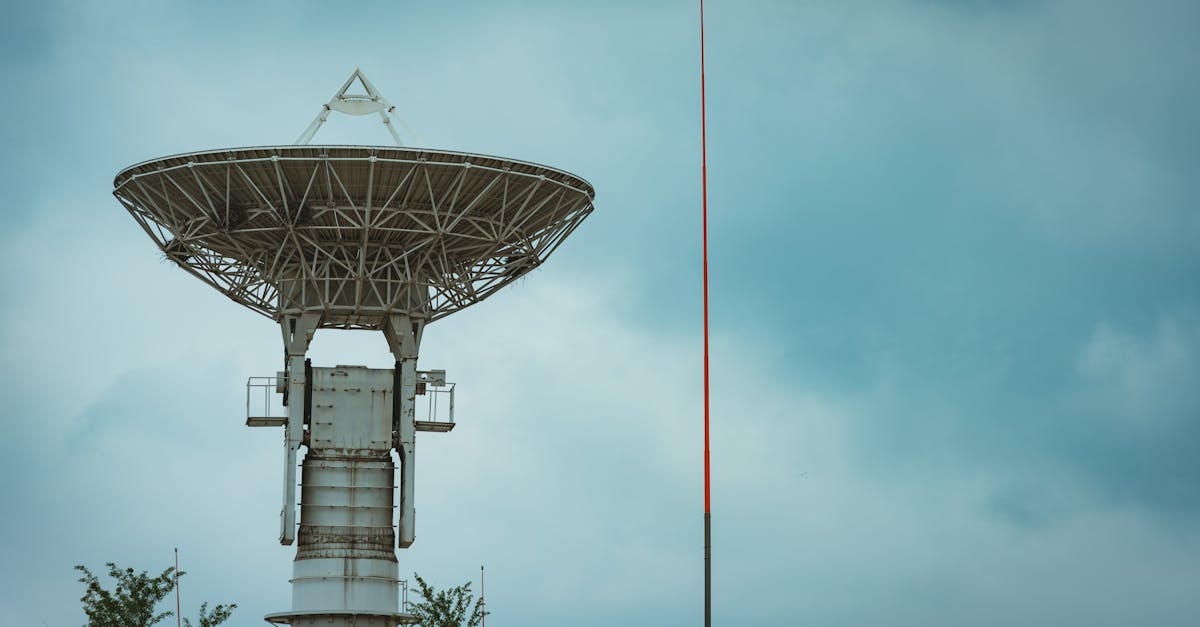
In an unprecedented move, the United States has requested satellite service providers to cease the dissemination of information related to the conflict in Iran due to fears of potential attacks. This request comes at a sensitive time marked by escalating tensions in the region.
The United States aims to protect its interests and national security through proactive measures, as reports indicate concerns about the targeting of satellites by hostile entities. This action reflects the growing anxiety over military escalation in the area, which could impact both regional and international security.
Details of the Request
In recent days, American satellite companies have received official requests from the U.S. government to stop publishing any information related to the Iranian conflict. This includes images and data that could be used for military purposes. The request arises amid increasing fears that Iran may seek to utilize this information in offensive operations against U.S. interests or its allies.
This step is part of a broader strategy aimed at reducing risks associated with modern technology in armed conflicts. Some companies have quickly responded to this request, while others are still evaluating its implications for their operations.
Background & Context
Historically, the region has witnessed numerous armed conflicts where modern technology has been extensively utilized. In recent years, the use of satellites has become an essential component of military operations, providing vital information about troop movements and potential targets. As tensions rise between the United States and Iran, this type of information has become increasingly significant.
It is noteworthy that Iran has significantly developed its military capabilities in recent years, heightening concerns about the escalation of conflict. In this context, the United States considers protecting information related to the conflict essential for maintaining its national security.
Impact & Consequences
This move may reduce the ability of media and analysts to cover events in Iran, potentially affecting transparency in the conflict. Additionally, halting the dissemination of information could hinder the international community's ability to accurately understand the situation, leading to decisions based on incorrect information.
Moreover, these measures may impact relations between the United States and its allies, as some may feel unable to obtain the necessary information to assess the situation in the region. This could increase tensions among the involved countries.
Regional Significance
This step is particularly significant for the Arab region, as any escalation in the Iranian conflict could directly affect neighboring countries. Many Arab nations are already suffering from the repercussions of regional conflicts, and any new escalation could exacerbate humanitarian and economic conditions in the area.
Furthermore, these measures could affect the overall stability of the region, as any potential attack could provoke military responses from the involved countries, complicating the security landscape.
In conclusion, this action reflects the growing concern over escalating tensions in the region and underscores the importance of information in modern conflicts. The international community must remain vigilant regarding these developments and strive to find peaceful solutions to ongoing conflicts.