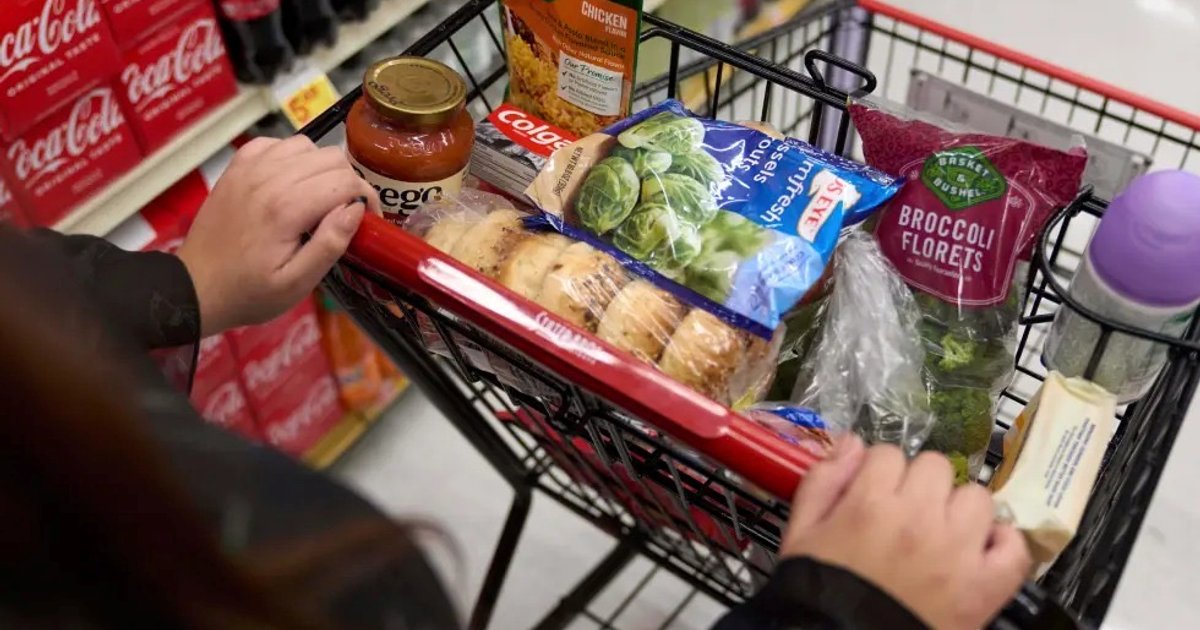
U.S. retail sales recorded a rise of 0.5% in April, reflecting continued growth in this sector for the second month in a row. This increase comes in the context of rising prices driven by geopolitical crises, particularly the conflict with Iran, which has led to higher energy and commodity costs.
According to data from the U.S. Census Bureau, previous figures for March were revised to show an increase of 1.6%, indicating a significant improvement in consumer spending. These numbers suggest that consumers are adapting to inflationary pressures.
Details of the Event
Consumer prices in the United States have shown a notable increase, with April marking the second strong rise in a row. The annual inflation rate reached its highest level in three years, reflecting the challenges facing the U.S. economy. Gas prices rose by 12.3% during the same month, according to data from the U.S. Energy Information Administration.
Despite these pressures, consumer spending remained robust, supported by an increase in average tax refunds this year, which reached approximately $323 compared to the same period last year. This indicates consumers' ability to continue spending despite rising prices.
Background & Context
This increase in retail sales comes at a time when the U.S. economy is experiencing a slowdown in consumer spending growth, with the annual growth rate recorded at 1.6% in the first quarter of this year, compared to a growth of 1.9% in the last quarter of the previous year. This slowdown raises concerns about the economy's ability to continue growing under current conditions.
Retail sales are significantly affected by external factors, including geopolitical crises that impact commodity prices. The war with Iran, in particular, casts a shadow over global markets and affects production costs.
Impact & Consequences
Data shows that core retail sales, which exclude automobiles, fuel, building materials, and food services, also rose by 0.5% in April, following a revised increase of 0.8% in March. This growth reflects continued strong demand from consumers, which may help support the U.S. economy in facing current challenges.
However, inflationary challenges may impact consumers' purchasing power in the future. If prices continue to rise, consumer spending could be negatively affected, potentially leading to a slowdown in economic growth.
Regional Significance
The economic conditions in the United States directly affect global markets, including the Arab region. Rising commodity prices due to geopolitical crises may lead to increased living costs in Arab countries, placing additional pressures on governments and consumers.
Moreover, changes in U.S. economic policies may affect investments and trade between the United States and Arab countries, necessitating close monitoring of economic and political events in the coming months.
Retail sales in the United States remain an important indicator of economic health, and despite current challenges, continued growth in this sector may provide some hope in the face of inflationary pressures.