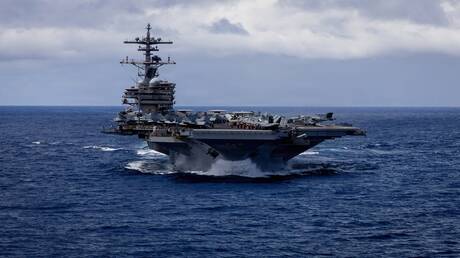
Data from the Iran War Cost Tracker reveals that U.S. military spending against Iran has surpassed $95 billion since operations began on February 28. These figures highlight the substantial financial burden the United States faces in this conflict.
These costs encompass a range of military expenditures, including equipment, air and ground operations, as well as logistical support. The United States continues to bolster its military presence in the region, further increasing the financial strain on American taxpayers.
Details of the Conflict
The Iran War Cost Tracker monitors the expenses associated with the war on Iran, showing that spending has risen significantly since the onset of operations. These costs include direct expenses such as the purchase of weapons and ammunition, along with indirect expenses like healthcare for injured soldiers.
Military operations also contribute to rising tensions in the region, raising concerns about security stability in the Middle East. Reports indicate that this war could escalate existing conflicts in the area, complicating the political landscape further.
Background & Context
The roots of the conflict between the United States and Iran extend back several decades, with relations between the two countries deteriorating significantly since the U.S. withdrawal from the Iranian nuclear deal in 2018. Since then, the U.S. has undertaken multiple military actions against Iran, leading to heightened tensions in the region.
Iran is considered one of the key players in the Middle East, wielding significant influence over regional conflicts. Therefore, any military escalation against it could impact several neighboring countries, including Iraq, Syria, and Lebanon.
Impact & Consequences
The repercussions of the war on Iran extend beyond its borders, affecting both regional and global security. The high costs of this war could lead to a reduction in financial resources allocated for domestic projects in the United States, thereby impacting the American economy.
Moreover, this war may exacerbate humanitarian crises in the region, as civilians suffer the consequences of the conflict. Additionally, military escalation could lead to an influx of refugees into neighboring countries, increasing the pressure on those nations.
Regional Significance
Arab countries neighboring Iran find themselves in a sensitive position, as any military operations could affect their stability. The region is already experiencing tensions among regional powers, and any escalation could worsen security conditions.
Many Arab nations are striving to maintain a balance of power in the region, making them cautious about any military movements by the United States or Iran. There are also concerns that this war could intensify sectarian conflicts in the area.
In conclusion, the figures related to the costs of the war on Iran underscore the significant challenges facing the United States, as well as the potential impacts on regional security. The current situation requires international attention to avoid escalating the conflict and to achieve stability in the region.