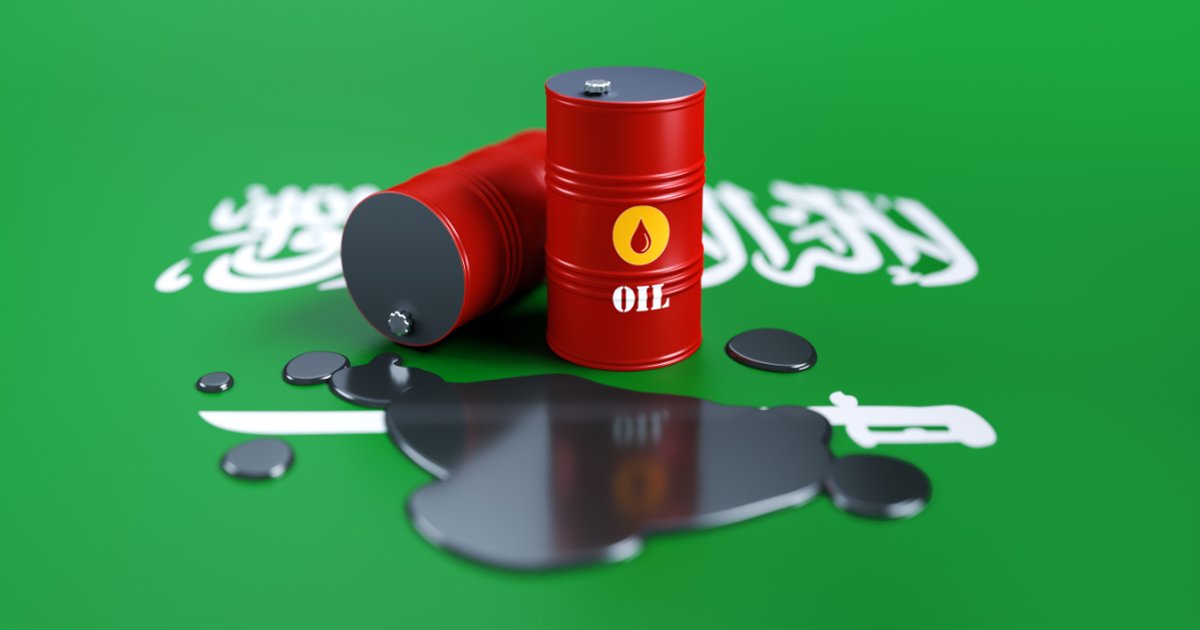
U.S. stock indices have fallen in futures trading as concerns mount over the political stalemate in the Middle East and its impact on oil prices. This decline comes at a sensitive time marked by significant market volatility.
Investor anxiety prevails due to the unclear outlook regarding the situation in the region, increasing the risks associated with oil prices. This has led to a decline in U.S. stock indices as investors seek to assess the impact of current events on the global economy.
Event Details
While oil prices continue to rise, the U.S. market faces increasing pressures. Recent economic data has shown a decline in consumer confidence, heightening fears about economic growth. Additionally, ongoing political events in the Middle East cast a shadow over financial markets.
Attention is currently focused on how the U.S. government will respond to these challenges, with many analysts expecting measures to stimulate the economy. However, instability in the Middle East may hinder these efforts.
Background & Context
Historically, political crises in the Middle East have significantly impacted global markets, particularly oil markets. The past few years have seen several crises that led to sharp price fluctuations, affecting major economies. In this context, the current situation is one of the most sensitive times, as tensions between countries escalate.
The roots of these crises stem from complex factors including regional conflicts, political tensions, and the global economy. As these crises continue, investors remain on alert, contributing to market volatility.
Impact & Consequences
Many financial institutions anticipate that pressures on U.S. markets will persist if the stalemate in the Middle East continues. These conditions could lead to increased oil prices, negatively impacting production and transportation costs, and consequently affecting prices in local markets.
Moreover, ongoing tensions may result in a decline in foreign investments, further increasing pressures on the U.S. economy. Under these circumstances, it becomes essential for policymakers to take effective steps to ensure market stability.
Regional Significance
The situation in the Middle East directly affects Arab countries, as the region is a major source of oil. With rising oil prices, some countries may benefit from these conditions, while others face economic challenges. Additionally, ongoing tensions could impact investments and development in the region.
Ultimately, the situation in the Middle East remains a focal point of global interest, as concerns grow about its impact on the global economy. An effective response from all stakeholders is required to ensure stability and achieve sustainable development.